
Last updated November 16, 2026
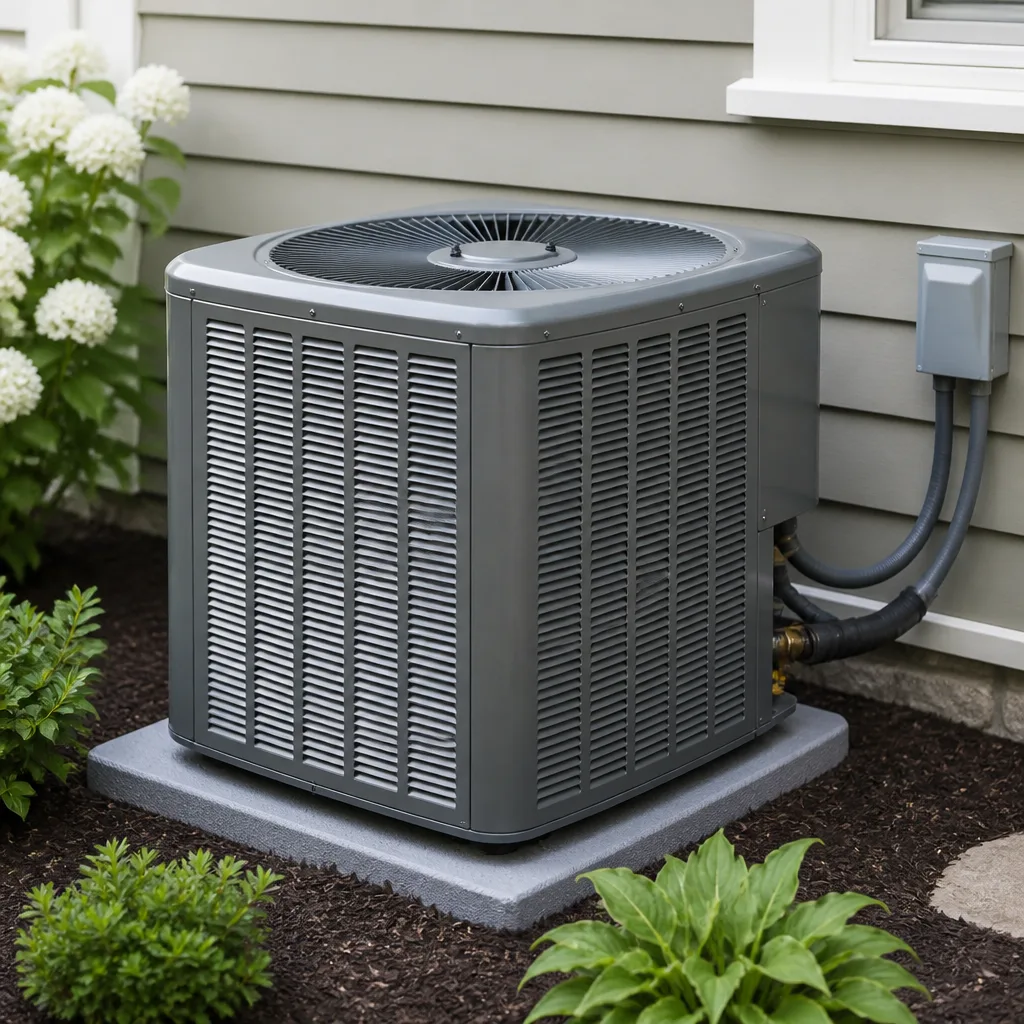 AC repair
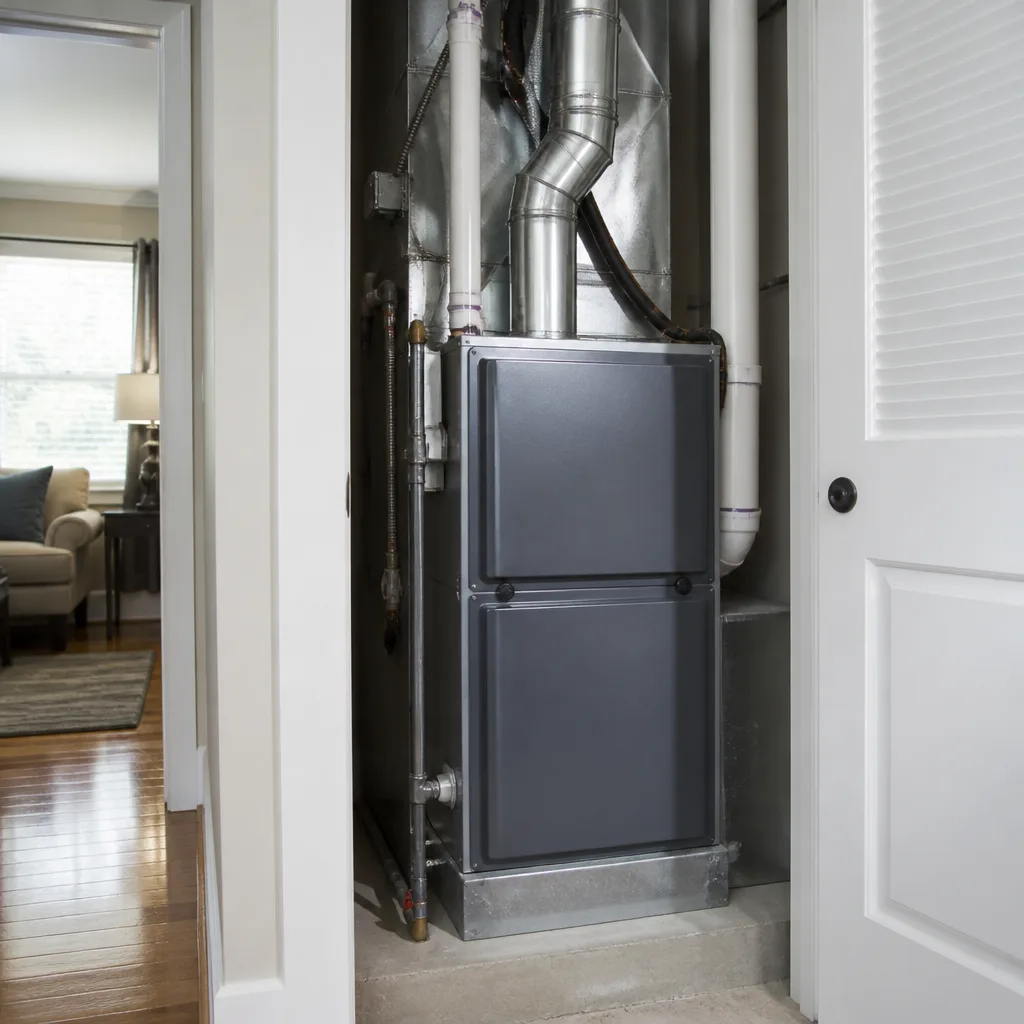 Furnace & heating
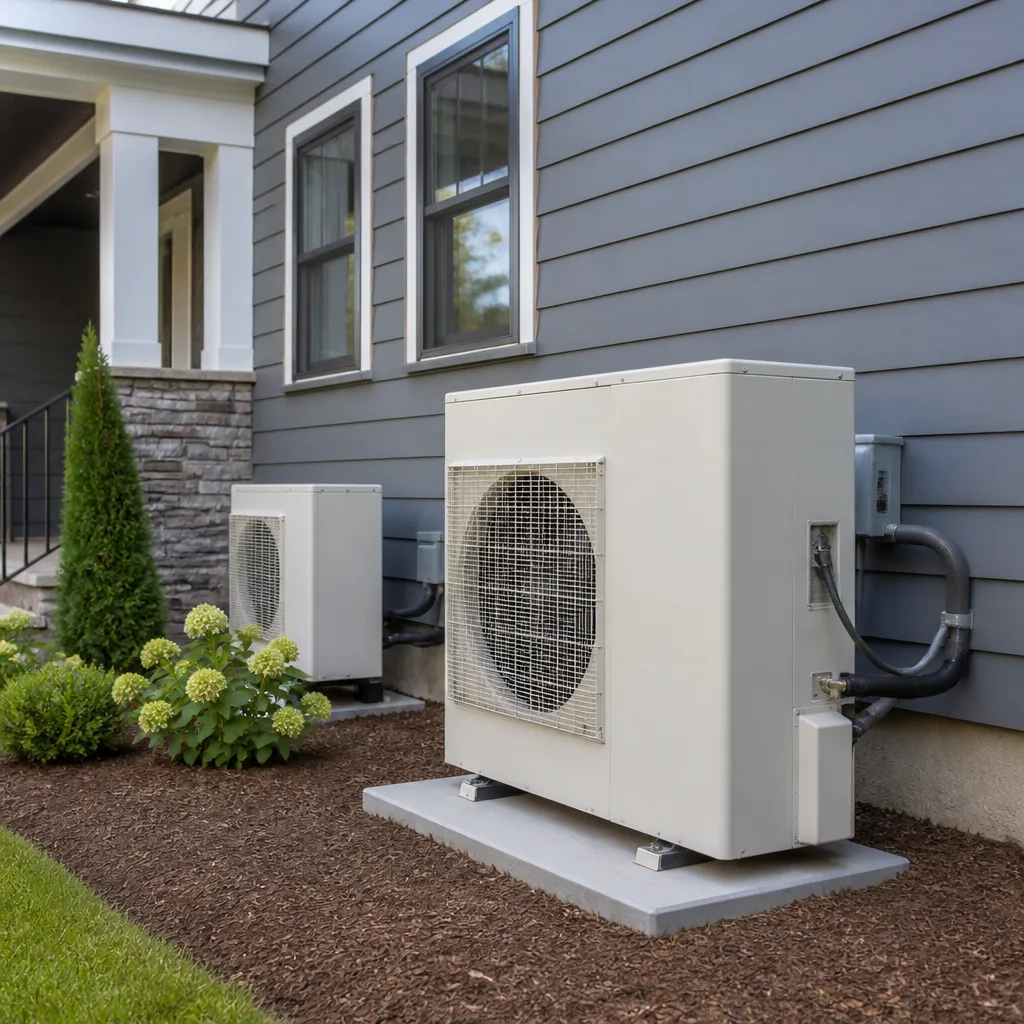 Heat pumps
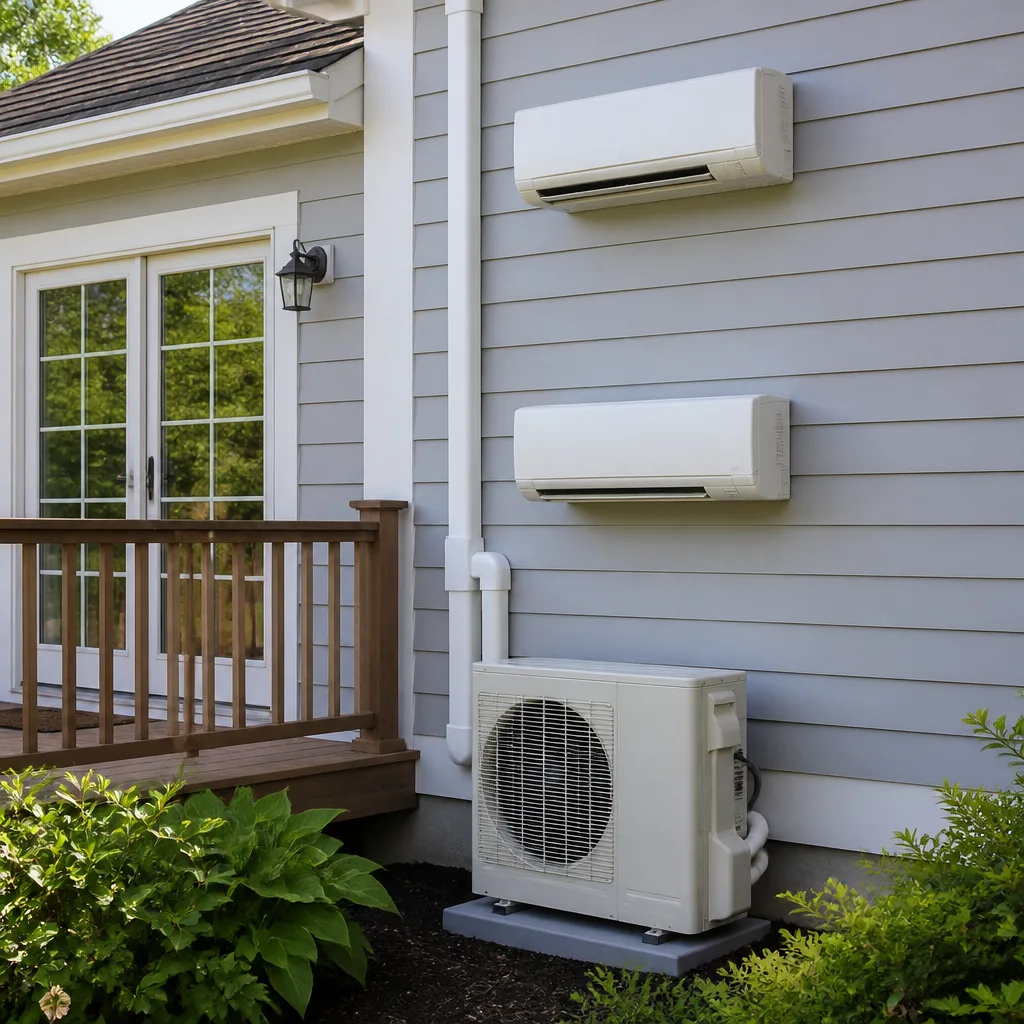 Ductless mini splits
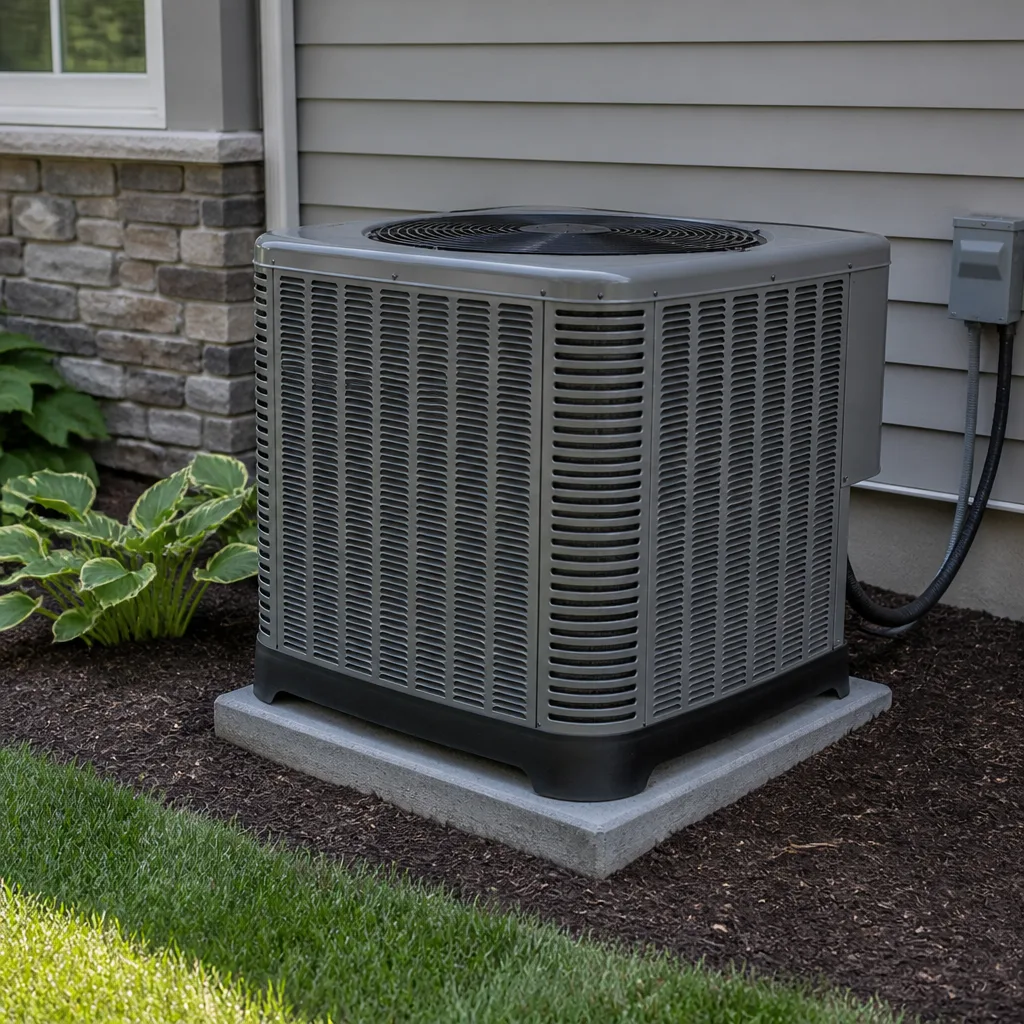 Carrier
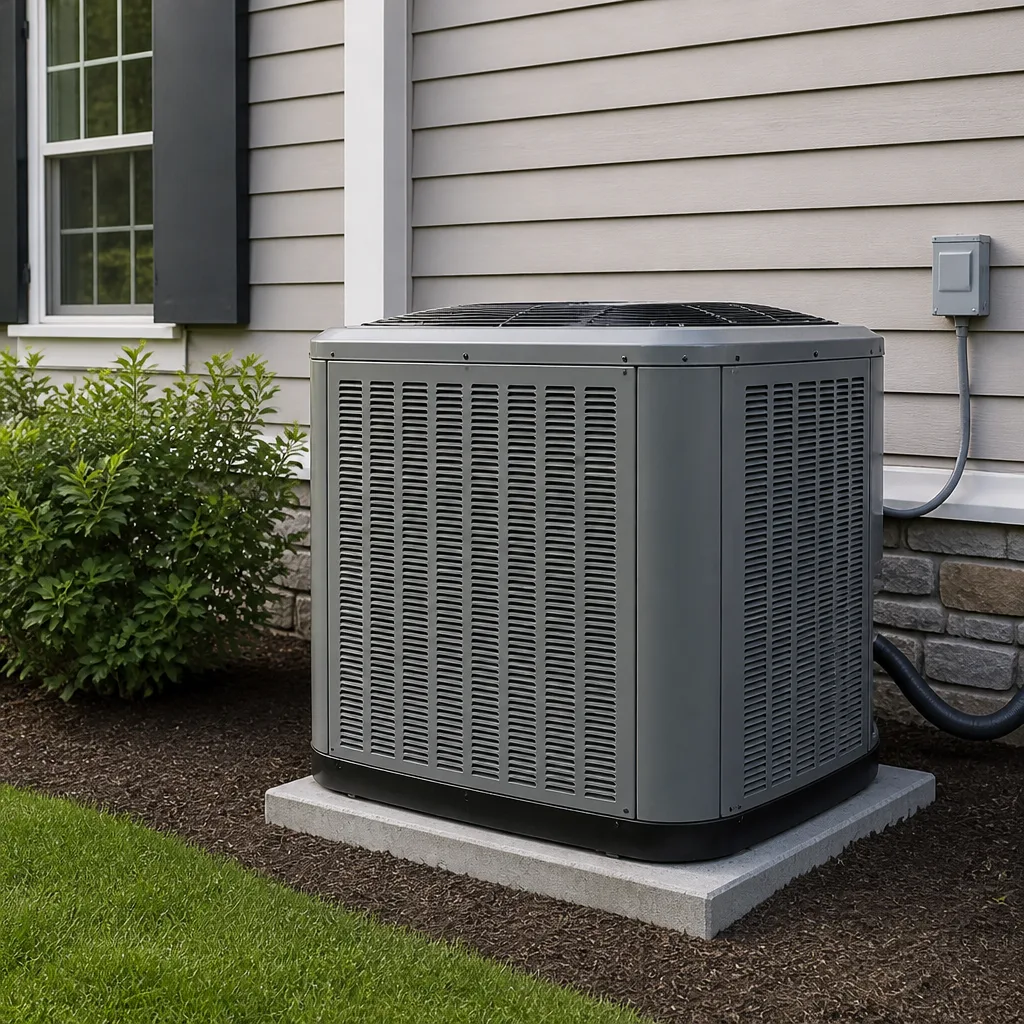 Trane
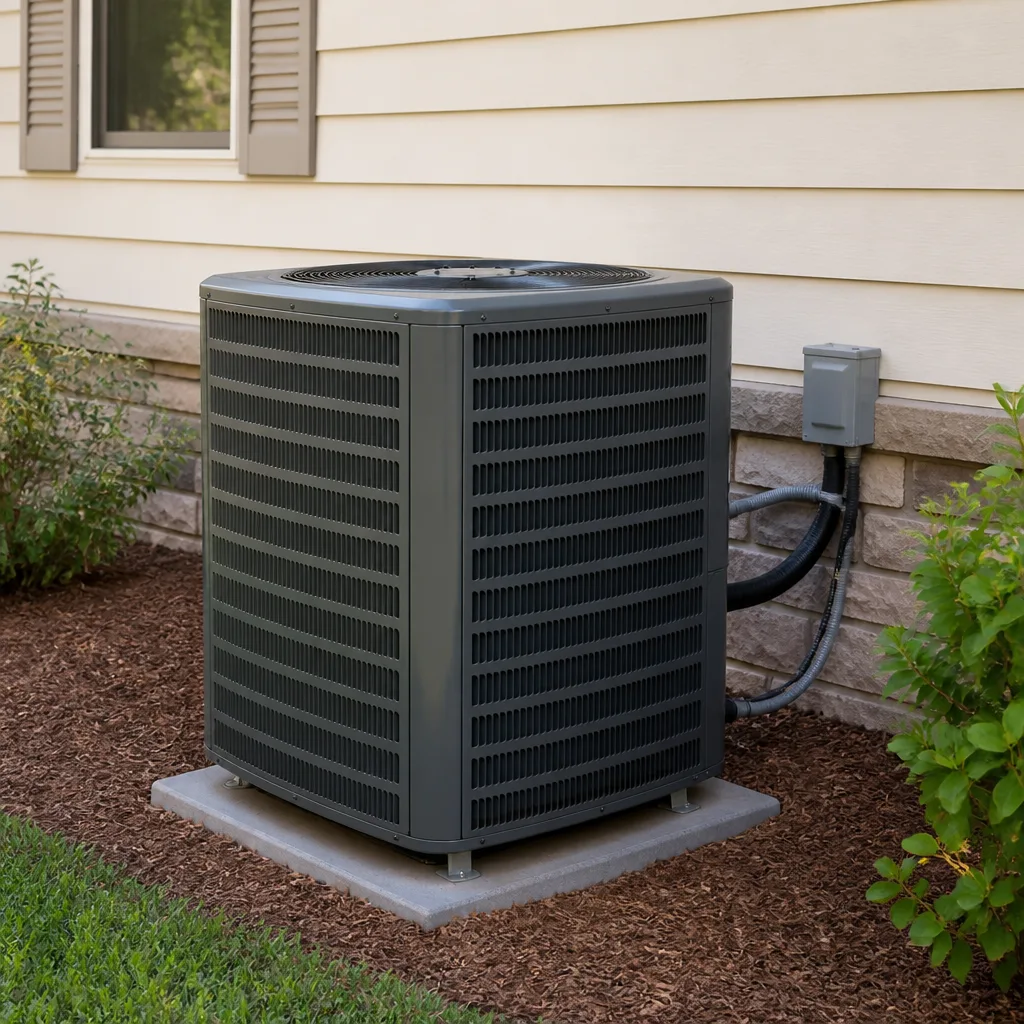 Goodman
Seasonal tune-up and full diagnostic on your Carrier, Trane, or Goodman system - readings shown to you before any repair is proposed
Diagnosis first, numbers second - you approve the repair price before a single part goes in.
Get your free estimateDIY vs Professional HVAC: The Paradise Homeowner’s Decision Guide
Most homeowners think the DIY-versus-professional question is about skill. It isn’t. Replacing a capacitor on a Paradise condenser in July is a $25 part and a 20-minute job, but do it without isolating the disconnect correctly and you can damage the compressor in a way that voids your warranty and turns a cheap fix into an $1,800 repair. That’s a risk calculation, not a confidence test. This guide maps the four tiers of HVAC work – what’s genuinely safe to handle yourself, what’s a gray area, what’s legally off-limits, and what simply isn’t worth the risk in Paradise heat – and gives you the math to decide where each breakdown lands.
Quick Answer
In Paradise, changing your filter, swapping a thermostat, clearing a condensate line, and rinsing the condenser coil are safe DIY tasks. Everything involving refrigerant, electrical components beyond the disconnect, gas lines, or the compressor itself should go to a licensed technician – Nevada and federal law restrict refrigerant handling to certified professionals, and DIY repairs on covered equipment can void manufacturer warranties. The dividing line isn’t difficulty; it’s liability, warranty exposure, and what a failed attempt costs when the temperature is above 100°F and appointments are running days out.
Styles & brands we work with
- AC repair
- Furnace & heating
- Heat pumps
- Ductless mini splits
- Carrier
- Trane
- Goodman
Table of Contents
- The Four Tiers of HVAC Work
- The Legal Line: Refrigerant and Nevada Law
- Safe DIY Tasks With Specific Steps
- What Voids a Warranty on Major Brand Equipment
- How to Triage a Failure at 10 P.M. in July
- The Real Cost Math: DIY vs Service Call
- Common Mistakes to Avoid
- When to Call a Professional
The Four Tiers of HVAC Work
Not every HVAC job sits on the same line. We sort them into four tiers based on three questions: does it touch refrigerant, does it touch line voltage, and does a mistake risk the compressor or the warranty? Get those sorted and the DIY decision becomes almost automatic.
Tier 1 – Safe for Most Homeowners
Air filters, thermostat batteries and programming, condensate drain clearing with a wet/dry vacuum, and a gentle rinse of the outdoor condenser coil with a garden hose. These are the tasks where a mistake costs you almost nothing and the work genuinely extends equipment life in Paradise’s dusty summer air.
Tier 2 – Doable With Care, Better With a Pro
Thermostat replacement (the wiring is low voltage but easy to cross), capacitor and contactor replacement (requires a disconnect and a multimeter), and blower motor cleaning. These sit in the gray zone: a careful homeowner with the right tools can do them, but a wrong move on the capacitor side can fry the control board or the compressor windings.
Tier 3 – Licensed Technician Only
Refrigerant recharge, compressor replacement, gas line work, electrical panel or high-voltage wiring, and anything inside the sealed refrigeration circuit. This tier is the one that carries legal weight, not just practical risk.
Tier 4 – Never DIY
Diagnosing a suspected refrigerant leak without instruments, bypassing a safety switch to “make it run,” and resetting a tripped breaker on a suspected short circuit without checking the cause. These are the moves that turn a $300 repair into a $1,800 replacement, and in Paradise heat the compressor is unforgiving.
The Legal Line: Refrigerant and Nevada Law
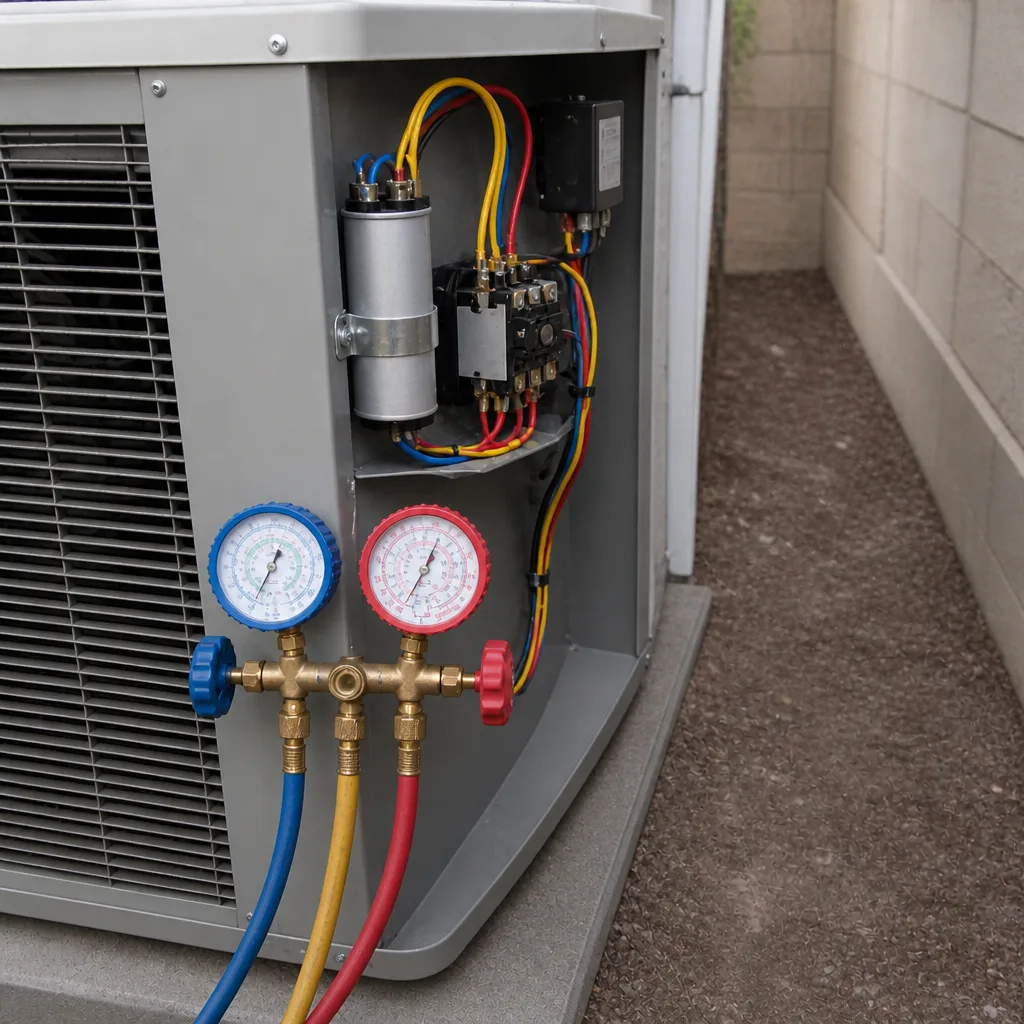
Refrigerant handling is not a skill question – it’s a federal regulation. Under EPA Section 608, only technicians who hold the proper certification may purchase, handle, or recover refrigerant, and intentionally venting refrigerant to the atmosphere is prohibited nationwide. Nevada follows the federal rule. That means a homeowner cannot legally top off their own R-410A or R-32 system, regardless of how confident they feel with a manifold gauge set.
The practical consequences matter more than the statute:
- No legal purchase. Refrigerant is sold to certified technicians, not to the general public. You cannot simply buy a can and add it.
- No safe recovery. A proper recharge requires evacuation, recovery of the old refrigerant, and recharging by weight – equipment most homeowners don’t own.
- Leak diagnosis needs instruments. Adding refrigerant without finding the leak is a short-term patch that repeats the cost within weeks.
- Voided warranty risk. Most manufacturer warranties exclude failures caused by improper refrigerant charge or by non-certified handling.
When we work on a York or Daikin system in Paradise, part of the job is documenting the refrigerant charge and recovery so the equipment history stays clean. That record matters at claim time. A system with a homeowner-administered top-off on record is a system the manufacturer can refuse to cover. For a full walk-through of what’s legal to do yourself and what isn’t, see our Paradise service overview.
Safe DIY Tasks With Specific Steps
These four tasks are worth doing yourself. They take minutes, cost almost nothing, and each one is a genuine line of defense against a mid-July failure in Paradise. Everything else on your system should go to a technician.
1. Replacing the Air Filter
This is the single highest-value maintenance task on any system. In Paradise, dust load is high, so most homes need a filter change every 30 to 60 days through summer – more often if you have pets or live near a dirt lot. Use the thickness the return grille was built for (typically 1″, sometimes 4″ or 5″ media filters) and don’t oversize the MERV rating beyond what your blower can handle – MERV 13 and up can starve airflow in older systems.
- Turn the system off at the thermostat.
- Slide the old filter out and note the airflow arrow direction.
- Match the new filter size and slide it in with the arrow pointing toward the blower.
- Restore power and reset any filter reminder on the thermostat.
2. Swapping a Thermostat
Low-voltage wiring is safe to touch but easy to miswire. Label the wires before you disconnect them, take a photo of the terminal block, and match the new thermostat’s terminals to the old one. If your system uses a communicating thermostat (common on newer Bryant and American Standard setups), a standard swap may not work – call before you buy.
3. Clearing the Condensate Drain
A clogged condensate line is the most common cause of an AC that runs but doesn’t cool – and in Paradise, a slow drain can also trip the float switch and shut the system off completely. Find the PVC drain line at the indoor unit, attach a wet/dry vacuum to the exterior termination, and run the vac for 30 to 60 seconds. Follow with a cup of distilled white vinegar poured into the drain pan to discourage algae growth.
4. Rinsing the Condenser Coil
The outdoor coil collects dust and cottonwood fluff quickly in Paradise. With the system off at the thermostat and the disconnect pulled, rinse the fins from the inside out with a garden hose on low pressure – never a pressure washer, which bends fins and ruins airflow. Straighten any crushed fins with a fin comb while you’re there. For anything deeper than a rinse, our AC installation team handles full coil cleaning and system checks.
What Voids a Warranty on Major Brand Equipment
Manufacturer warranties are written tightly, and the fine print on brands like Lennox, Trane, Carrier, and Goodman almost always contains the same two exclusions: failures caused by improper installation and failures caused by work performed by unlicensed or uncertified personnel. In practice, this means most DIY repairs beyond Tier 1 carry some warranty risk. Here’s what actually triggers a claim denial, from what we’ve seen across all nine major brands:
- Improper refrigerant charge. Under- or over-charging shortens compressor life and is one of the most common warranty-denial reasons we see. Only a certified tech can document the correct charge.
- Mismatched components. A capacitor or contactor rated wrong for the system stresses the compressor. Manufacturers read the part number from the failed component during a claim inspection.
- Jumper wires and bypassed safeties. A pressure switch or float switch jumped “just to get through the weekend” is a red flag on any claim inspection.
- Missing install documentation. Registering the equipment at install and keeping the service records clean is what actually protects the warranty. When we work on a Rheem or York in Paradise, the equipment history we leave behind is part of the value.
- Non-OEM parts where OEM is required. Some brands specify OEM parts for warranty-covered repairs; aftermarket parts may be fine functionally but void the specific claim.
Read your warranty packet before you touch anything beyond the filter. The compressor and coil coverage – usually the most expensive parts – is the coverage most likely to be voided by a DIY misstep.
How to Triage a Failure at 10 P.M. in July
When the AC quits at 10 p.m. in July and the house is already over 85°F, your first move determines whether the problem stays a $200 repair or grows into a compressor replacement. Here’s the sequence we recommend every Paradise homeowner follow before calling – each step is safe, and each one narrows the problem.
- Check the thermostat first. Batteries dead, mode set to heat, or a schedule override can look exactly like a system failure. Replace batteries and switch to cool with the fan on.
- Check the air filter. A fully clogged filter can freeze the coil and shut the system down on high pressure. Replace it, then wait 30 minutes before restarting.
- Check the breaker at the panel. If the outdoor unit’s breaker is tripped, reset it once. If it trips again immediately, stop and call – a repeat trip means a short that needs a meter, not a reset.
- Check the float switch. Most systems have a safety switch in the drain pan. If the line is clogged, the switch kills the system. Clear the drain with a wet/dry vac.
- Listen and look at the outdoor unit. Fan running and compressor humming means refrigerant or control issue. Nothing running means power, contactor, or capacitor.
- Smell for a burning odor at the indoor or outdoor unit. Burning smell means stop, turn off at the breaker, and call. That’s an electrical fault, not a DIY moment.
If you’ve done all six and the system is still down, that’s the point to call. We answer 24/7 and dispatch from 7am to 7pm Sunday through Friday. A call outside dispatch hours is booked into the next opening. For related repair guidance, see our furnace repair page – the same triage logic applies to the heating side.
The Real Cost Math: DIY vs Service Call
The dollar comparison between a DIY repair and a service call is not close once you account for the risk-adjusted outcome. Here’s the honest math using a capacitor replacement as the example, because it’s the most common DIY attempt we see.
- DIY capacitor replacement: $15-$40 for the part, plus tools if you don’t own a multimeter ($30-$80). Time: 20-40 minutes if everything goes right.
- Professional capacitor replacement: a written estimate, typically in the $180-$340 range in Paradise, covering the part, the diagnostic, the safety check, and the warranty documentation.
- DIY gone wrong – compressor failure: $1,500-$2,400 for compressor replacement, or $4,000-$7,500 for a full system replacement if the compressor failure cascades.
- DIY gone wrong – control board: $400-$800 in parts alone, plus the diagnostic to confirm what failed.
The break-even calculation is simple. If your DIY attempt succeeds, you save roughly $150-$300. If it fails and takes out the compressor, you eat $1,500-$2,400 on top of what the repair would have cost. That means the DIY attempt needs to succeed better than 85 times out of 100 before it’s a rational bet on a capacitor job. For a homeowner who’s done it before with the right meter, that’s plausible. For a first-timer who found a YouTube video at 11 p.m., it isn’t.
One thing we always correct: DIY capacitor swaps don’t save you the diagnostic in the long run, because a bad capacitor is usually a symptom, not the root cause. When a capacitor fails on a Bryant or American Standard condenser, part of the job is checking the compressor windings, contactor, and charge – the components that caused the capacitor to fail early. A DIY swap that misses the underlying issue brings the system down again in weeks. Our AC Repair Paradise team handles that full diagnostic on every call.
Common Mistakes to Avoid
These come up repeatedly across the nine brands we service. None of them are exotic – all of them are avoidable.
- Adding refrigerant without finding the leak. A top-off without a leak trace runs for weeks then fails again, and the second attempt costs more because the first one hid the real problem. Trace the leak first, always.
- Oversizing the filter MERV rating. A MERV 13 filter in an older Paradise system can drop airflow enough to freeze the indoor coil. Match the filter to the blower, not to the marketing on the box.
- Rinsing the condenser coil with a pressure washer. High pressure flattens the fins and reduces airflow permanently. Garden hose, low pressure, inside out – that’s the only rinse method that helps.
- Bypassing the float switch to “get through the weekend.” A jumped safety switch in a Paradise attic can let a clogged drain overflow into the ceiling and drywall. The safety is there for a reason.
- Resetting a tripped breaker more than once. If the outdoor breaker trips right back after a reset, something is shorted. Repeated resets are how a $400 contactor job becomes a $2,000 compressor job.
- Ignoring the install date on your equipment. Manufacturer warranties are usually 5-10 years on parts and require registration at install. If you bought a home with a recent system and can’t find the registration, that’s a call worth making.
- Believing all brands fail the same way. A Goodman capacitor failure and a Trane compressor failure present differently. That’s why brand familiarity matters – a technician who works on all nine major brands identifies the failure faster. When we work on a York, a Daikin, or any of the other major brands in your home, we don’t need to guess at the common failure modes.
When to Call a Professional
Call a professional the moment the failure lands in Tier 3 or 4, or when the triage steps above don’t resolve it. Specifically: any refrigerant issue, any burning smell, a breaker that trips right back, ice on the indoor coil after a filter change, a compressor that hums without starting, a system that runs but doesn’t cool after you’ve checked filter and coil, and any gas smell near a furnace. Those are calls, not research projects.
We also encourage homeowners to call before a DIY attempt on anything in Tier 2. A phone call with one of our technicians usually tells you in five minutes whether the job is worth tackling yourself or whether it’s going to cost you more in the long run. That conversation is free. AC Repair Paradise offers free estimates in Paradise – call (844) 820-2853. We answer 24/7. Fast dispatch from 7am to 7pm, Sunday through Friday.
See the difference
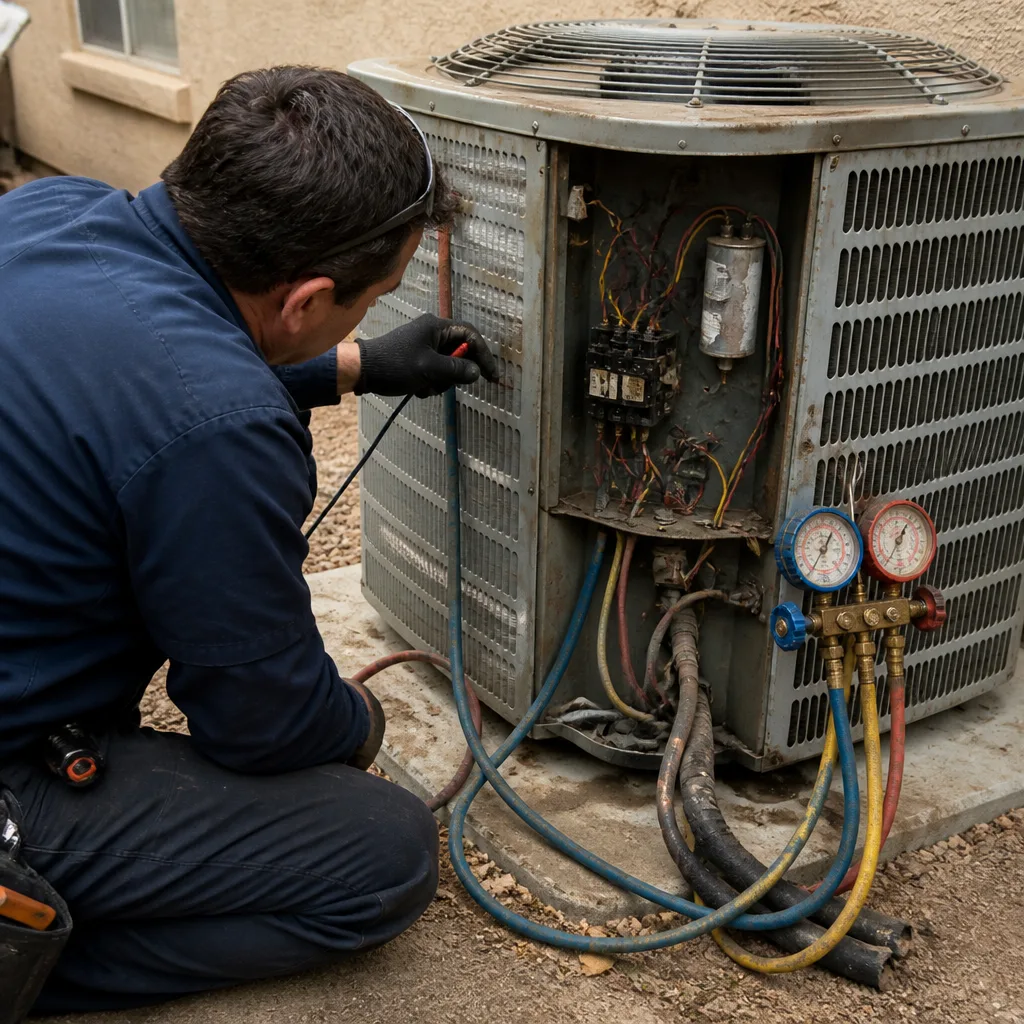 Before
 After
 Before
 After
 Before
 After
Frequently Asked Questions
No. Federal EPA Section 608 rules restrict refrigerant purchase, handling, and recovery to certified technicians, and Nevada follows the federal rule. Homeowners cannot legally buy refrigerant or vent it to the atmosphere, so any recharge needs a licensed, certified technician with the proper recovery equipment.
It can. Most major brand warranties – Carrier, Trane, Lennox, Goodman, Rheem, York, Daikin, Bryant, and American Standard – exclude failures caused by unlicensed work or improper refrigerant charge. A filter change or thermostat swap is generally safe; anything on the sealed system or high-voltage side carries denial risk. Call (844) 820-2853 if you’re unsure whether a repair will affect your coverage.
Adding refrigerant without finding the leak, or resetting a tripped breaker more than once. Both hide the actual failure and let it progress. In Paradise heat, a compressor that keeps running on a bad charge can fail within days – a failure that costs far more than the original repair. Call (844) 820-2853 for a proper diagnostic before the problem compounds.
It’s possible on some systems, but the risk-adjusted math usually doesn’t favor it. If you don’t isolate the disconnect correctly, or the replacement isn’t matched to the compressor, you can damage the compressor or control board. A $25 part that fails can cost $1,500-$2,400 in compressor work. Call (844) 820-2853 for a same-day estimate.
Three tests: does it involve refrigerant, does it involve line voltage, and does it involve gas? If yes to any, it’s a professional call. Filter changes, thermostat swaps, condensate clearing, and condenser rinses are safe DIY. Anything else, call first – we’ll give you a straight answer on the phone at no charge.
Not much more once you count the parts and tools. A professional capacitor replacement runs roughly $180-$340 in Paradise; the DIY route saves $150-$300 if it succeeds but risks $1,500-$2,400 if it fails. The written estimate sets the final price. Call (844) 820-2853 – estimates are free.
The Bottom Line
In Paradise, the DIY-versus-professional HVAC question comes down to four tiers and one rule: anything touching refrigerant, line voltage, gas, or the sealed system belongs to a licensed technician. Filters, thermostats, condensate drains, and condenser rinses are genuinely worth doing yourself. Capacitor and contactor swaps are a coin-flip that costs more than it saves on a first attempt. When the system quits at 10 p.m. in July, run the six-step triage, and if it’s still down, call. The risk-adjusted math is on the professional side almost every time – not because the work is beyond you, but because the failure mode in Paradise heat is too expensive.
Get a Free Estimate in Paradise Today
If your system is down or you’re weighing repair against replacement, we can look at it and give you a written estimate – no upsell, just an honest read on what your equipment needs. We work on York, Daikin, Bryant, American Standard, and the other major brands in homes across Paradise, and our technicians have up to 9 years of experience across all nine. Call (844) 820-2853 for a free estimate. We answer 24/7. Fast dispatch from 7am to 7pm, Sunday through Friday.
Written by the team at AC Repair Paradise.