
Last updated November 16, 2026
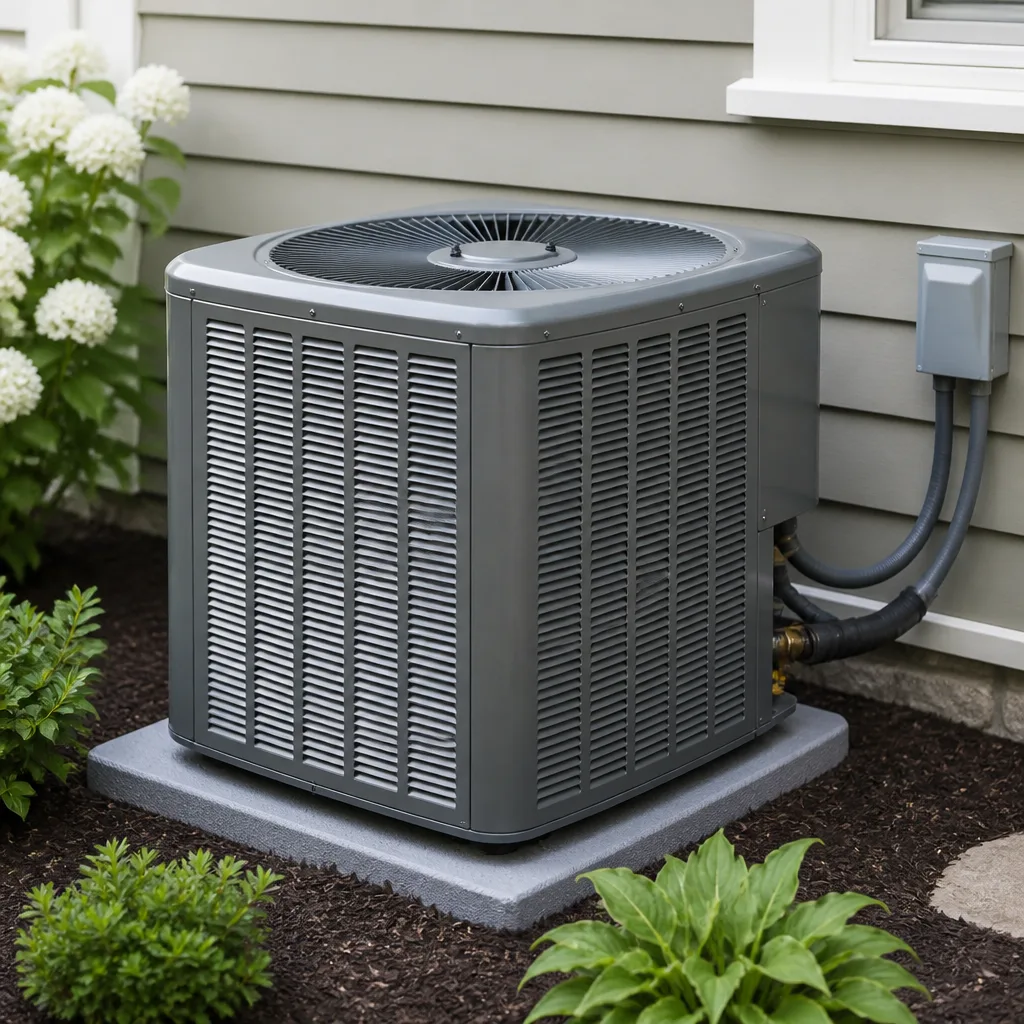 AC repair
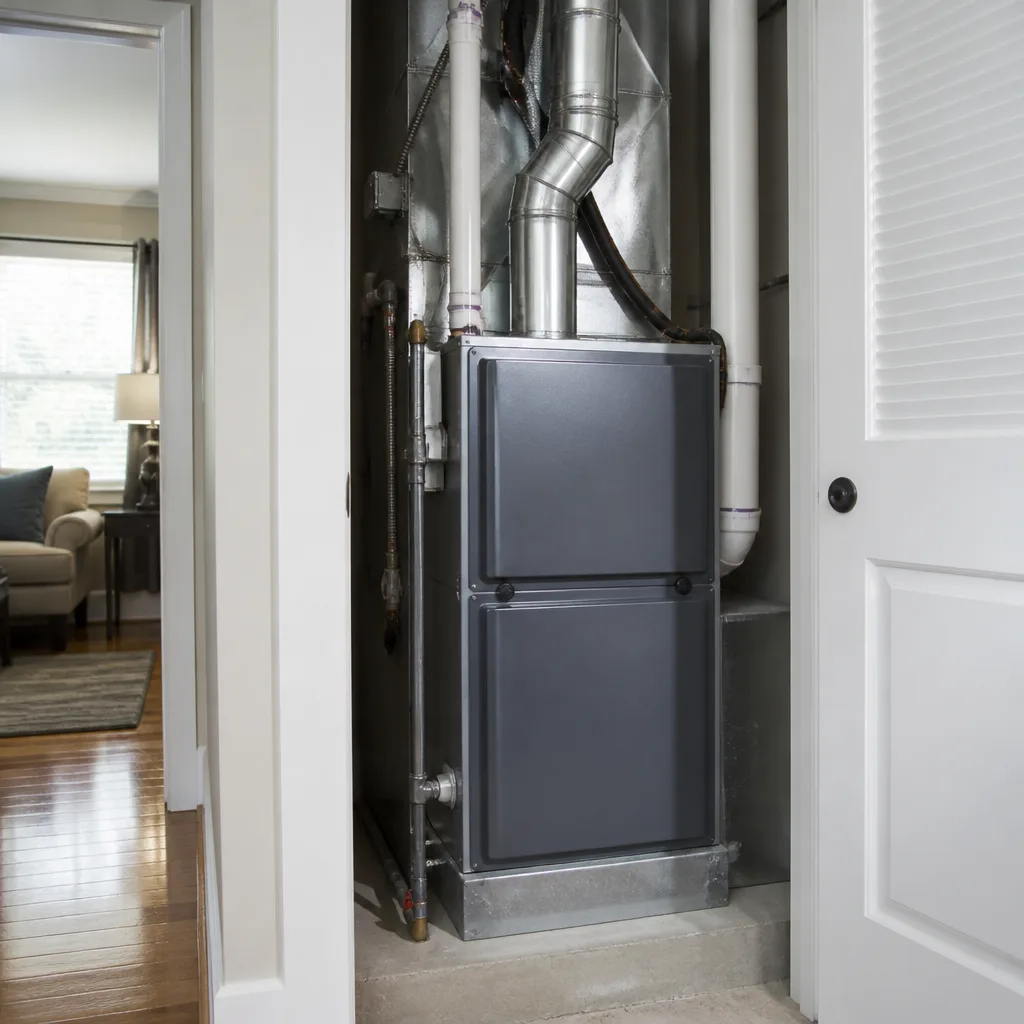 Furnace & heating
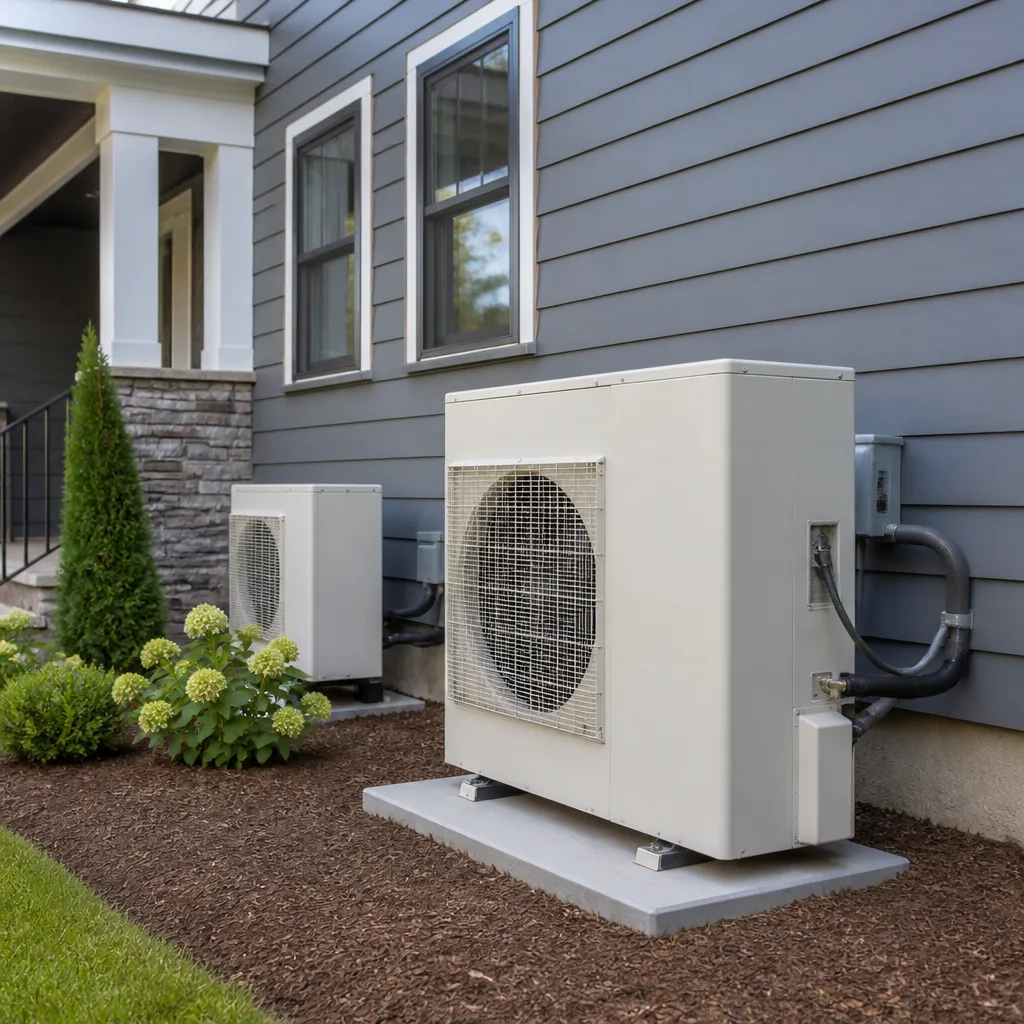 Heat pumps
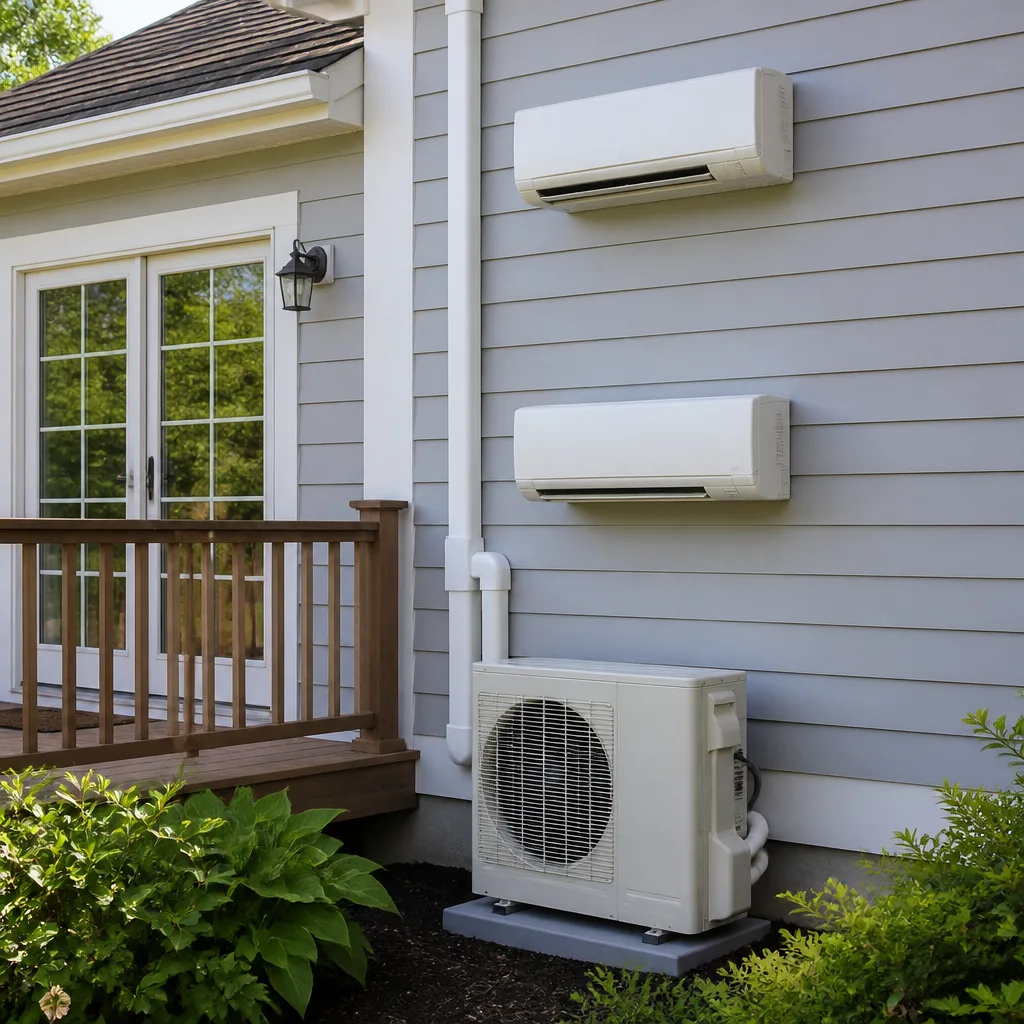 Ductless mini splits
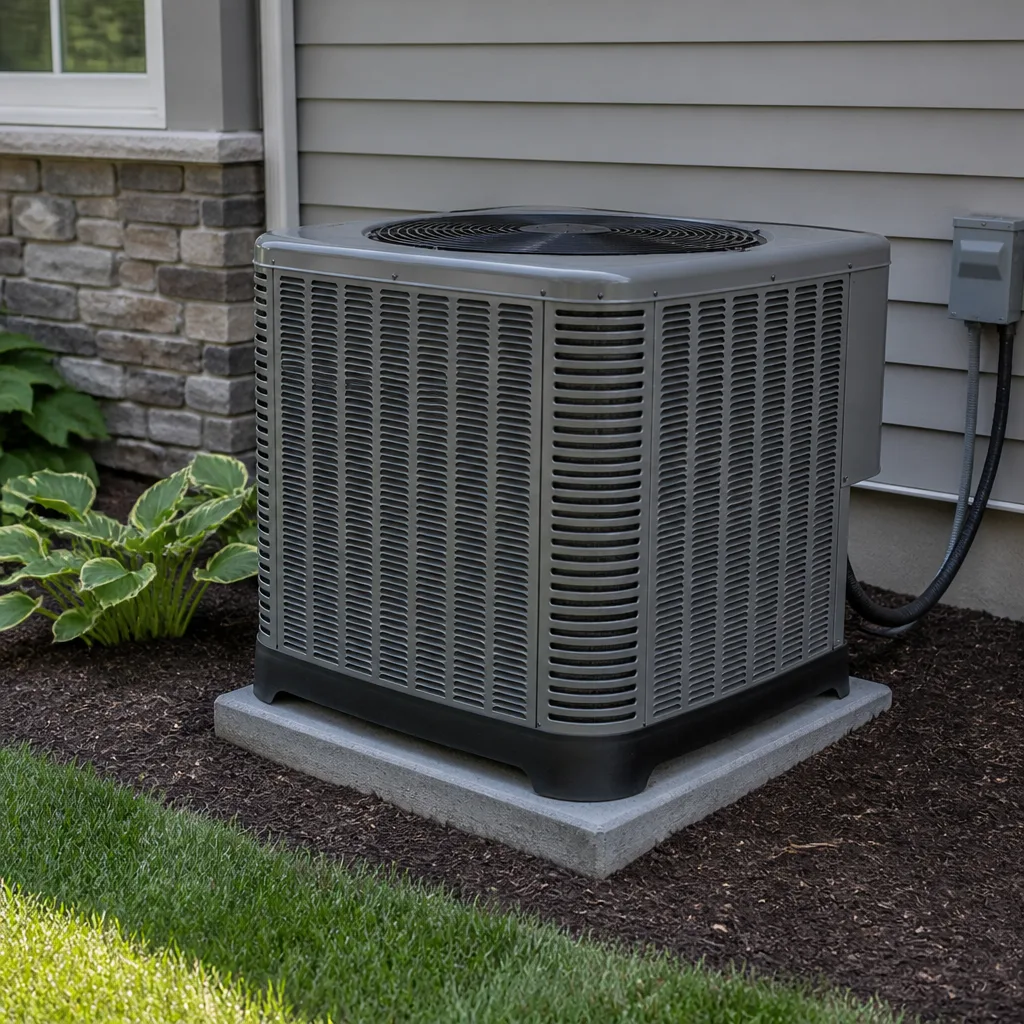 Carrier
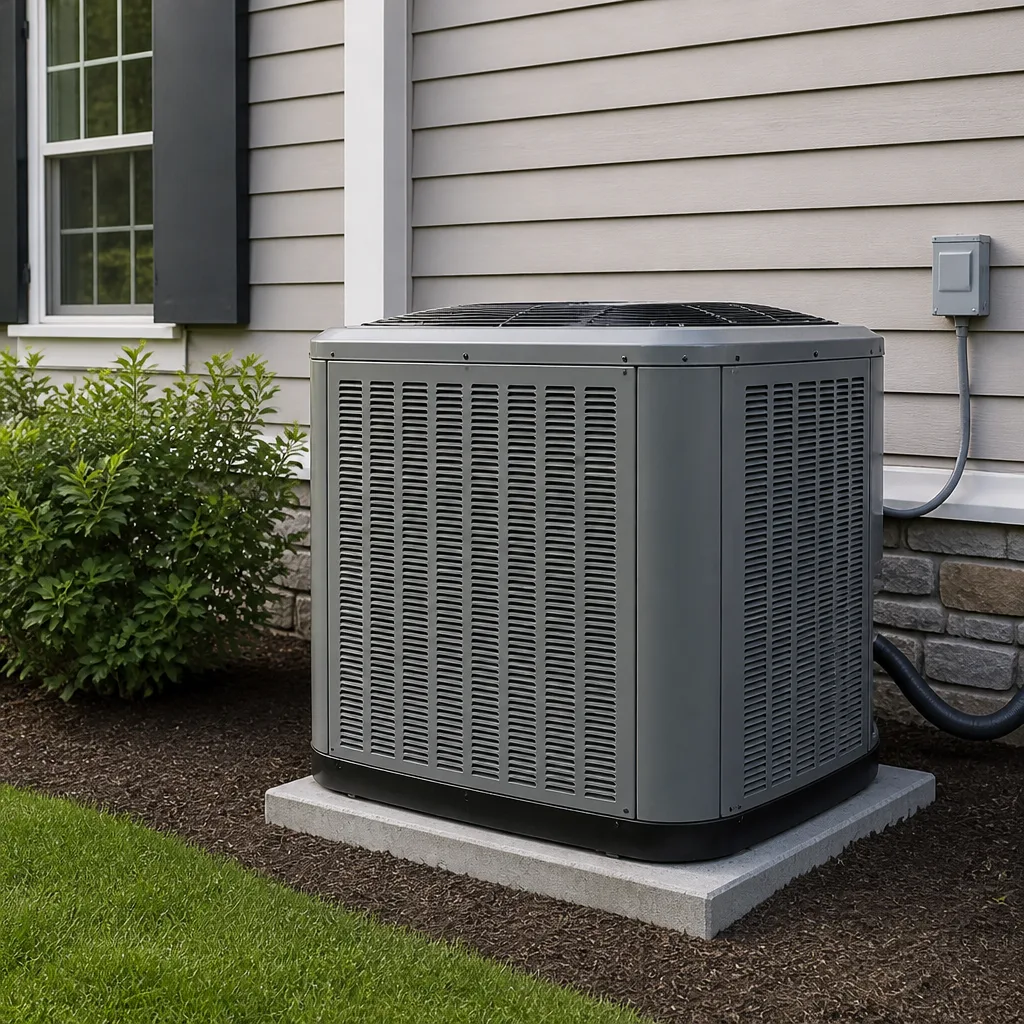 Trane
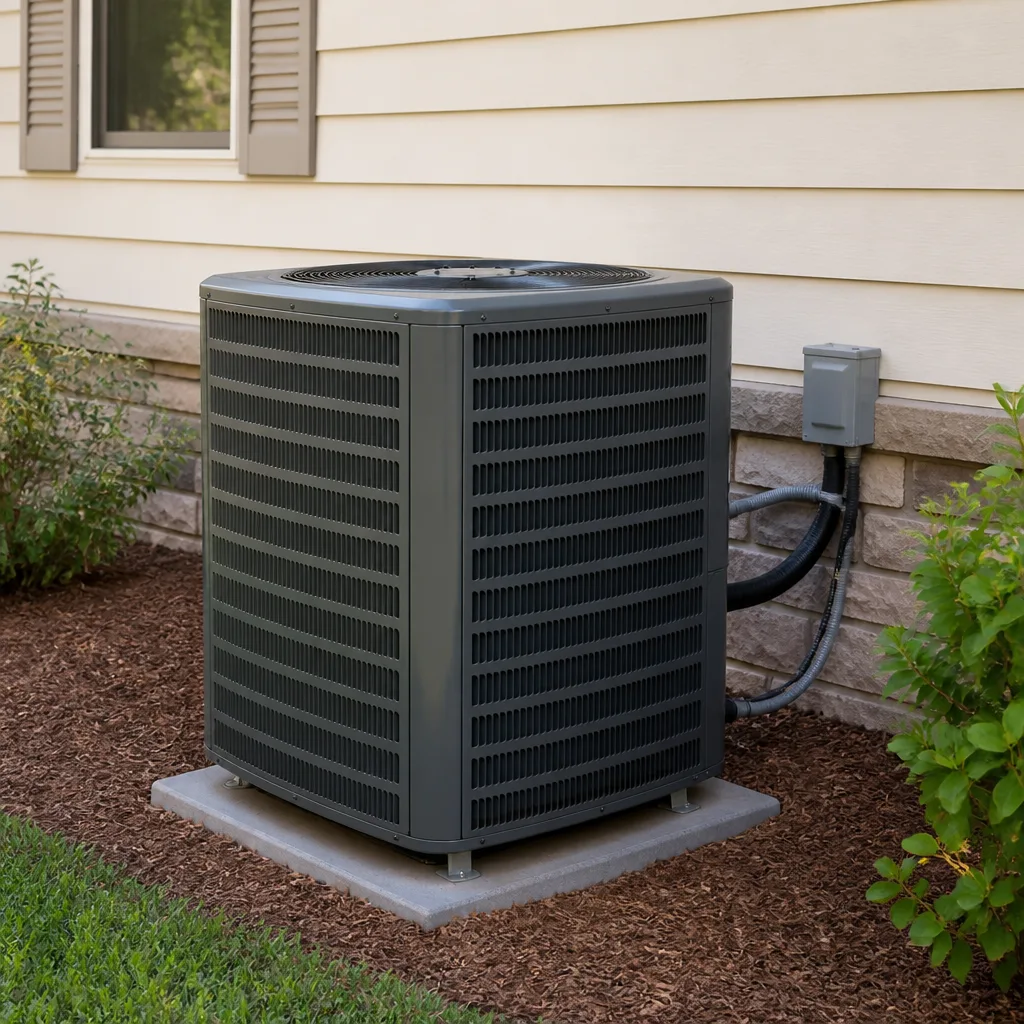 Goodman
Seasonal tune-up and full diagnostic on your Carrier, Trane, or Goodman system - readings shown to you before any repair is proposed
Diagnosis first, numbers second - you approve the repair price before a single part goes in.
Get your free estimateHow to Hire an HVAC Contractor in Paradise: A Step-by-Step Guide
Most Paradise homeowners assume a bad HVAC hire means a dishonest one. In our experience, that’s rarely the problem. The bigger risk is a contractor who’s perfectly honest and still gets it wrong, because nobody checked whether the system was sized for this house or picked from a catalog. Nevada licenses HVAC contractors, and that license matters, but it doesn’t test for a Manual J load calculation or the judgment to walk away from a quote you don’t need. This guide gives you the five technical questions that separate a qualified technician from a licensed one, plus how to look up a license, read a contract, and compare brands without getting played.
Quick Answer
To hire an HVAC contractor in Paradise, verify a current Nevada C-21 (refrigeration and air conditioning) license in the state contractor database before you get a quote, insist on a written Manual J load calculation before any replacement is sized, get a fixed written price that names the equipment model and labor, and confirm the contract covers permits, warranty terms, and what happens if the system underperforms. A contractor who stalls on the load calculation or can’t tell you their license class is a contractor to skip.
Styles & brands we work with
- AC repair
- Furnace & heating
- Heat pumps
- Ductless mini splits
- Carrier
- Trane
- Goodman
Table of Contents
- 1. Verify the Nevada C-21 License Before Anything Else
- 2. Ask the Manual J Question
- 3. Spot Red Flags in the Quote Itself
- 4. Multi-Brand Contractor vs. Single-Brand Dealer
- 5. What a Valid Paradise-Area HVAC Contract Must Include
- 6. Who Actually Shows Up at Your Door
- 7. The Seven-Step Hiring Process
- 8. When to Walk Away
1. Verify the Nevada C-21 License Before Anything Else
Nevada issues HVAC contractors a C-21 license, which is the refrigeration and air conditioning classification under the state’s contractor board. Ask for the license number and the exact classification, then look it up yourself in the Nevada State Contractors Board database, which shows whether the license is active, expired, suspended, or limited in scope. This takes about two minutes and eliminates a surprising amount of the field.
When you look the license up, check four things:
- Status: active, not expired or suspended.
- Classification: C-21, not a general handyman or a related classification that doesn’t cover HVAC work.
- Business name: matches the name on the quote, not a parent company or a subcontractor you’ve never heard of.
- Qualifying person: the license has a named qualifier attached to it. That’s the person whose test and experience the license is built on.
The license is the floor, not the ceiling. It confirms the contractor has met the state’s requirements for operating legally and carrying the required bond and insurance. It does not confirm the company has ever run a load calculation on a Paradise home, has worked on your specific brand, or will do the job right. That’s why the next four questions exist. A C-21 license gets a contractor through the door; the questions after it decide whether you hand them the work. If you’re replacing a system in Paradise, the license check is the first thing to do, before a technician ever walks your hallway.
2. Ask the Manual J Question
A Manual J load calculation is a room-by-room assessment of how much heating and cooling your home actually needs, based on square footage, window area and orientation, insulation, ceiling height, duct condition, and the local design temperatures used for Paradise. It’s the industry-standard method, and it’s the single step that determines whether the new system is sized for your house or for the last house the contractor installed.
Oversizing is the most common installation error we see. An oversized system cools the house quickly, then shuts off before it has run long enough to pull humidity out of the air. You get a house that hits the thermostat setpoint and still feels clammy, plus more cycling, more wear, and higher bills than a correctly sized unit would produce. Undersizing is the mirror problem: the system runs constantly and never quite gets there on the hottest afternoons.
How to ask for it
Don’t ask “did you do a load calculation?” Ask for the report. A contractor who has actually run one has a document to hand you, usually a page or two showing room-by-room sensible and latent loads and the resulting tonnage. A contractor who eyeballed square footage and picked the closest size in the catalog will get vague and change the subject.
Three sentences to use:
- “Can you run a Manual J load calculation and leave me a copy with the quote?”
- “What tonnage does the calculation come out to, and what’s the next size up or down?”
- “If the system I buy is sized to that calculation and still doesn’t hold temperature, what does the contract say?”
That third question matters more than it looks. It puts the sizing decision in writing and links the equipment to a performance promise. It’s also where an honest contractor starts talking about duct condition and return-air sizing, because a load calculation alone doesn’t fix a duct system that’s throttling the equipment.
3. Spot Red Flags in the Quote Itself
A quote that’s mostly a number is a quote that’s mostly markup. The line items that matter are the model number of the equipment, the labor scope, the duct and permit work, and the length and terms of the warranty. When those are vague, the contractor has replaced expertise with a convincing price.
Here’s what to watch for in a written quote:
- No model number. “3-ton Rheem unit” isn’t a model number. A legitimate quote names the exact condenser and air handler or furnace, with efficiency ratings.
- No separate line for labor. A single lump sum hides the fact that the price is being built on equipment markup rather than labor and design work.
- No mention of the load calculation. Goes with the previous section. If sizing isn’t referenced, it wasn’t done.
- No permit line. Permits on HVAC work are typically required for replacements and gas appliance installation. Ask your city’s building department what applies to your job, and ask the contractor who pulls the permit.
- Warranty that’s all asterisks. Labor warranty length, what voids it, whether it’s the manufacturer’s or theirs, and whether it survives a change of equipment brand.
- Pressure to sign today. A real fixed price doesn’t evaporate overnight.
One more, and it’s the tell most homeowners miss: a quote that doesn’t mention your existing equipment at all. If the contractor hasn’t noted the age and condition of what’s installed, they haven’t thought about how the new system will interact with the furnace, the coil, or the ducts that remain. On a replacement, half the job is what stays in the house.
4. Multi-Brand Contractor vs. Single-Brand Dealer
A single-brand dealer sells one manufacturer’s equipment, often exclusively, which means their recommendation is partly determined by what they carry. A multi-brand contractor works across several manufacturers and can put the right equipment in your house based on your budget, your duct system, and how you actually use the space. Neither model is dishonest. But the incentives are different, and you should know which one you’re calling.
Here’s the practical difference in Paradise:
- Single-brand dealers often have deep brand-specific training and strong parts pipelines for the brand they sell. The catch is that if your existing system is a different brand and only the failed component needs replacement, they may steer you toward a full changeout because their lineup doesn’t fit your setup as cleanly.
- Multi-brand contractors can compare Rheem, York, Daikin, Bryant and the other major lines side by side. They can also repair the equipment you already have without the incentive to trash it because it isn’t on their truck.
- Repair vs. replace decisions are cleaner when the same technician who diagnoses the failure is familiar with the replacement options across brands. For more on that trade-off, see our guide to furnace repair and when repair stops making economic sense.
When is a single-brand dealer the right call? If you’ve already decided on a specific manufacturer and want factory-trained service on that brand alone, a dedicated dealer can be a strong choice. When you’re not sure what you need, or you’re comparing equipment options, the multi-brand contractor tends to give you a wider, less pressured look. We work on Carrier, Trane, Lennox, Goodman, Rheem, York, Daikin, Bryant, and American Standard systems, which is why we can tell you what your specific setup actually needs rather than what we happen to sell. If you’re weighing a full system, start with AC installation and bring the load calculation question with you.
5. What a Valid Paradise-Area HVAC Contract Must Include
A valid contract here protects you when the equipment underperforms, not just when the contractor doesn’t get paid. Paradise summers are extreme enough that undersized or poorly commissioned equipment will be obvious in July, and you want the paperwork to spell out what happens next before you sign. Local code on permits and certificates of occupancy is worth confirming with the city’s building department, since it can shift. The contract should answer what happens if:
- Equipment model and serial numbers are listed exactly as installed, not just as quoted.
- Scope of work names the duct modifications, refrigerant line work, electrical work, and any gas connections, with each listed as included or excluded.
- Permits name who pulls them and who pays for them.
- The load calculation is attached or referenced, with the tonnage and equipment match documented.
- Commissioning includes a measured static pressure and refrigerant charge verification, with numbers recorded.
- Warranty covers parts and labor separately, states duration in writing, and names who honors each.
- A performance remedy is defined: if the system doesn’t meet the load calculation’s design conditions after commissioning, what adjustments or corrections will be made, at whose cost.
- Payment schedule is tied to milestones, not front-loaded before equipment arrives.
Item seven is the one that separates a contract from a handshake. A contractor confident in their sizing will put a performance term in writing; a contractor who picked equipment by square footage will not.
6. Who Actually Shows Up at Your Door
The name on the license and the name on the truck should match the person doing the work. In Paradise and across Nevada, the persons physically doing HVAC work on your property should be working under the licensed contractor, whether as employees or properly subcontracted and disclosed. Ask, and note the answer.
The questions worth asking before you book:
- “Will the technician sent to my home be employed by your company, or is this subcontracted?”
- “Are they trained on my brand of equipment?”
- “If the first visit doesn’t solve it, who comes back and is there a second charge?”
The brand training question matters more than most homeowners realize. A technician who’s worked on Rheem furnaces for years knows their specific igniter and pressure-switch behaviors, the same way a tech who’s worked on Daikin equipment knows that line’s quirks. When a company tells you it works on nine major brands, ask what that means in practice: whether the same person services them or whether a different crew comes out. Single-source coverage is different from a rotating roster.
Ask about experience in years too. Our technicians have up to 9 years of experience, and that experience covers the nine brands we service. If a company can’t describe the depth of its technicians’ experience in specific terms, you’re talking to a sales operation rather than a service operation.
7. The Seven-Step Hiring Process
Here’s the sequence to follow, in order, when you need HVAC work in Paradise. Each step filters out another category of contractor.
- Look up the license. Nevada State Contractors Board database, C-21 classification, active status, name matching the quote.
- Confirm insurance and bond. Ask for a certificate of insurance and verify it names the same business as the license.
- Request a load calculation with any replacement quote. Exterior-facing and duct leakage both matter here; if the quote doesn’t reference sizing, skip it.
- Get the quote in writing. Model numbers, labor, permit, warranty, and performance terms as covered above.
- Compare at least two quotes. One from a multi-brand contractor, one from a single-brand dealer, so you can see how the equipment recommendations differ.
- Ask about the brand of your existing equipment. A qualified contractor will tell you specifically what they know about your brand and whether they service it regularly.
- Confirm the actual crew. Ask who shows up, whether they’re trained on your brand, and what the return-visit policy is.
None of this is difficult. It takes maybe an hour across two quotes, and it eliminates the vast majority of hires that go sideways. If you have a failing system right now and don’t want to run the whole process, call and start with step one; a qualified contractor will help you verify their own license without offense.
8. When to Walk Away
Some answers end the process immediately. Walk away if a contractor:
- Can’t or won’t give you their Nevada C-21 license number.
- Refuses to run a Manual J load calculation on a replacement quote, or claims it’s “not necessary” or “included in the price.”
- Won’t put a fixed written price in the contract, only a verbal estimate.
- Offers to skip the permit.
- Can’t name the specific equipment model going into your house.
- Won’t say who the technician will be, or whether they work for the company or a subcontractor.
- Quotes a brand they don’t actually service.
Any one of these is reason to call someone else. Two or three together is a sign the company has skipped the technical work and is running on sales instead.
Common Mistakes to Avoid
- Skipping the license lookup because a referral felt solid. A friendly recommendation doesn’t confirm the C-21 license is current. Look it up anyway.
- Assuming an energy-efficiency rating replaces proper sizing. A high-efficiency Rheem unit that’s oversized will still leave you uncomfortable. The calculation comes first.
- Choosing the lowest bid before comparing scope. A cheaper quote usually has less labor, less permit work, or less equipment. Line them up before deciding.
- Leaving the load calculation and performance terms out of the contract. Once the crew packs up, a verbal “we’ll make it right” is worth less than a written remedy.
- Ignoring duct condition. In many Paradise homes, the ducts are the bottleneck. A new system paired with tired ducts won’t meet the calculation’s promise.
- Buying equipment from a brand the contractor doesn’t service. If they can’t name a technician who’s trained on it, they’re marking up someone else’s work.
- Booking on price alone, then chasing the contractor after installation. A contractor who answered the technical questions will still answer them after the job is done.
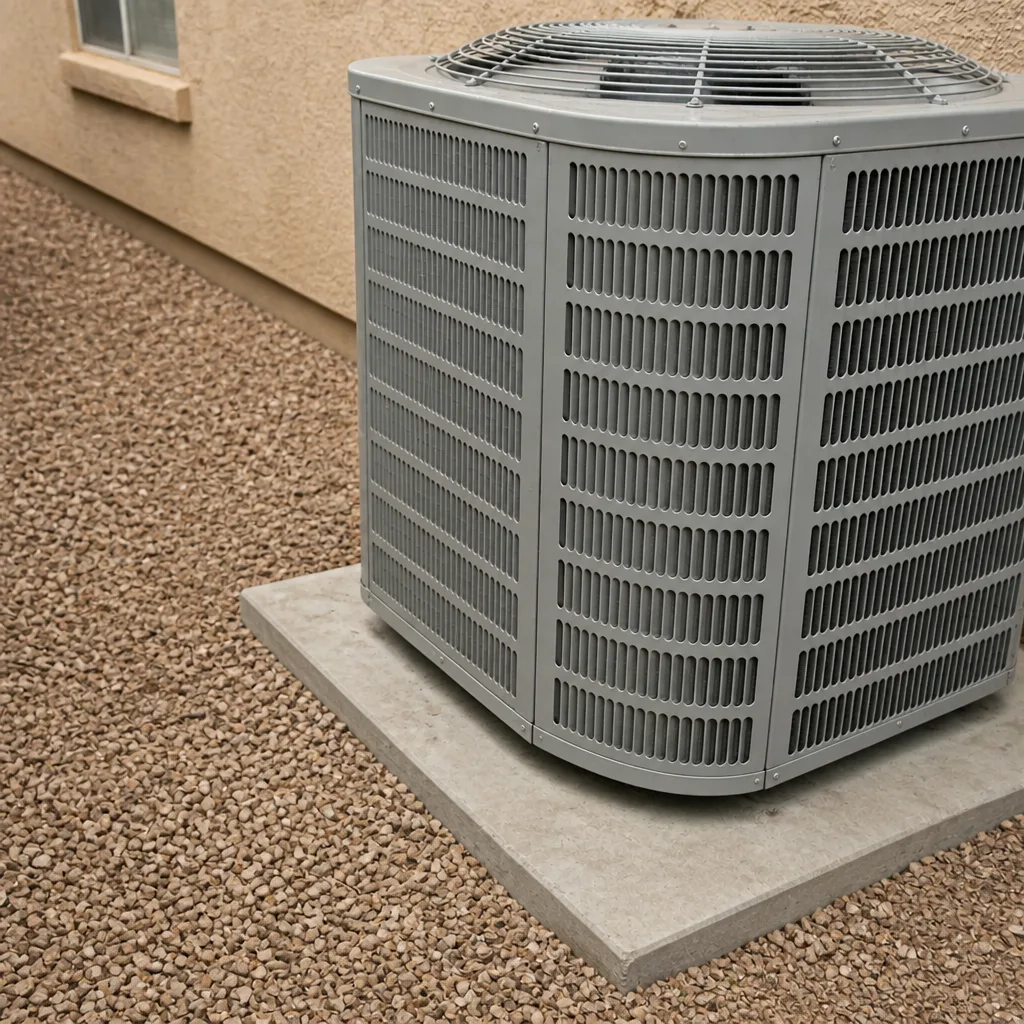
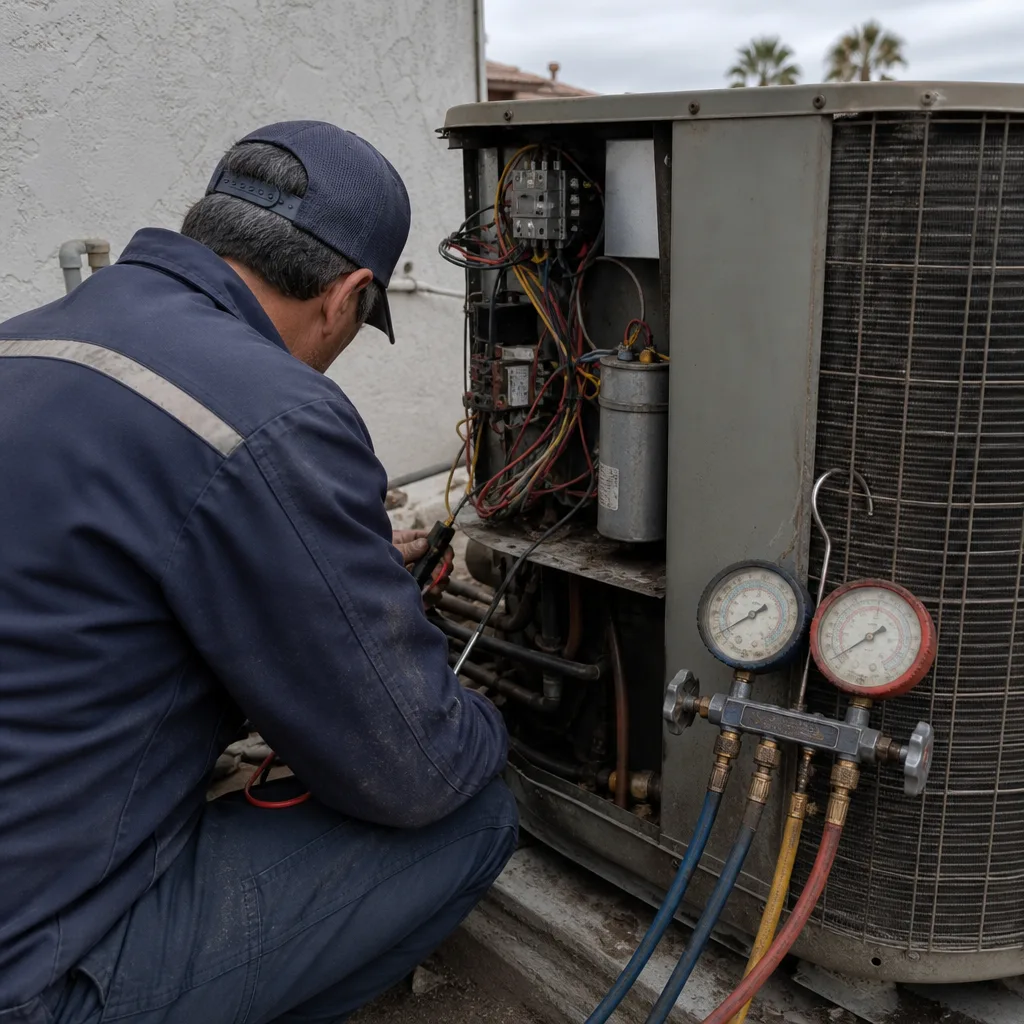
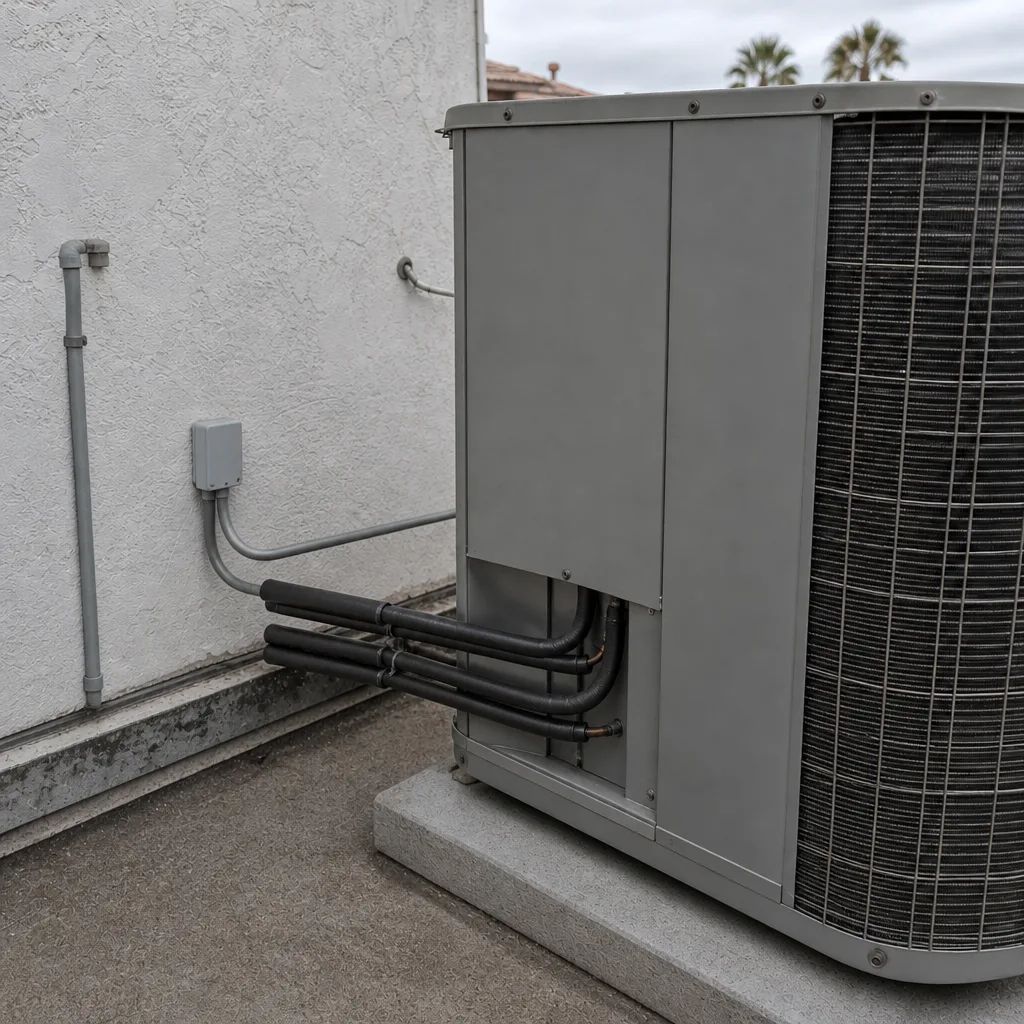
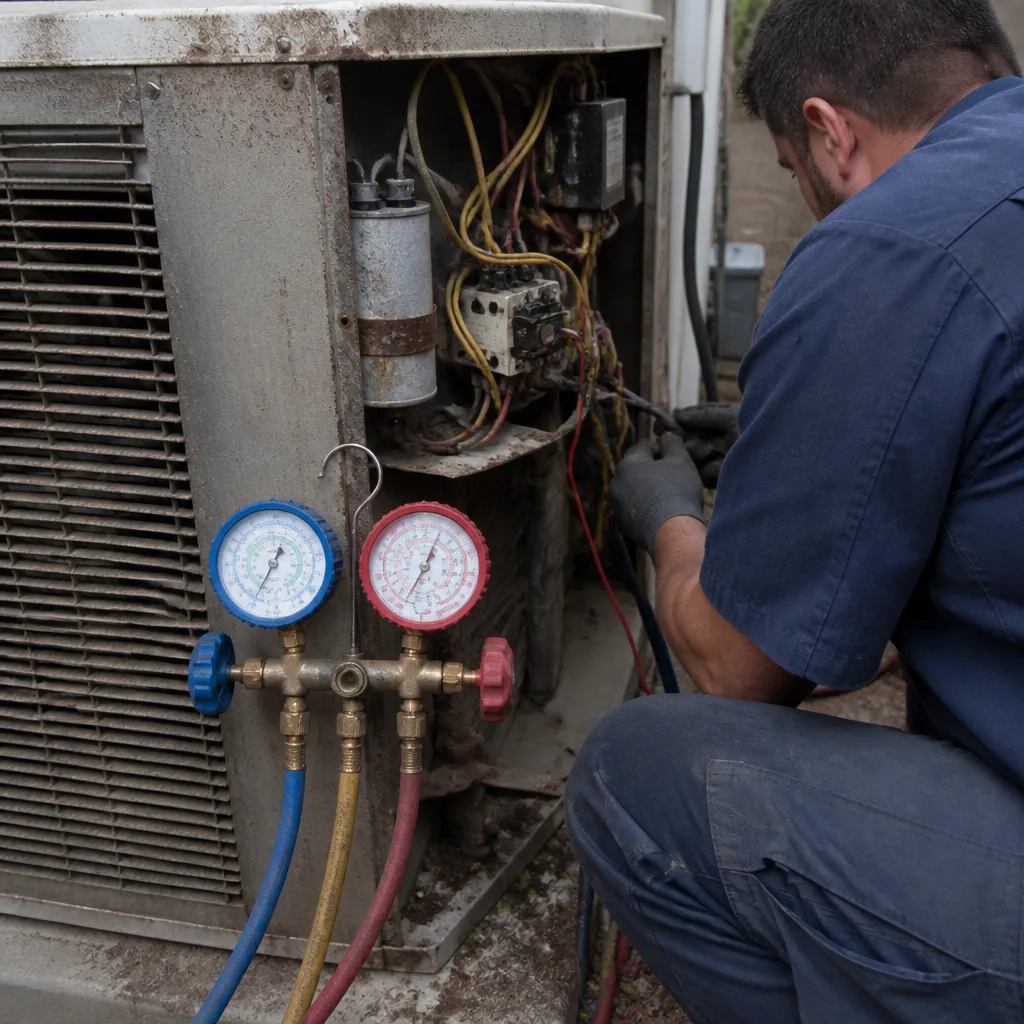
See the difference
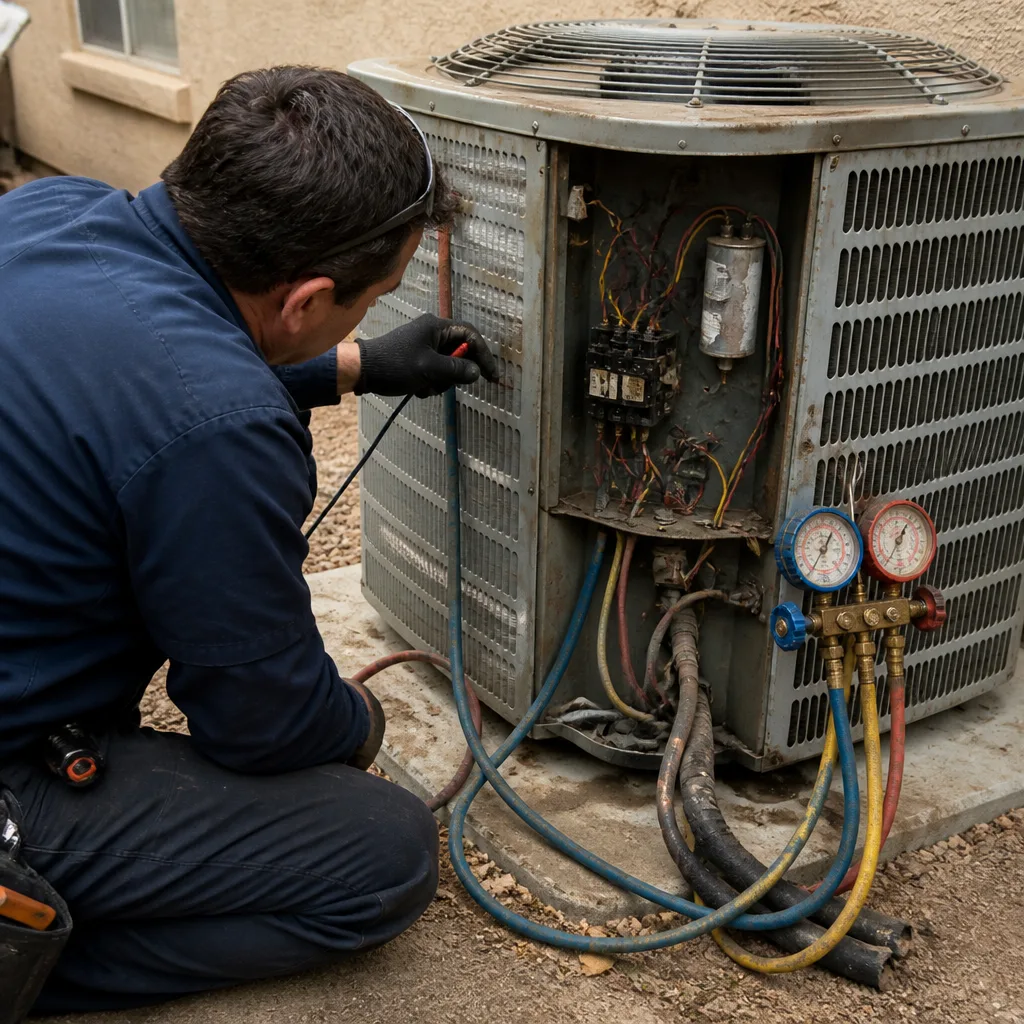 Before
 After
 Before
 After
 Before
 After
When to Call a Professional
Some jobs are safe to consider yourself, and some aren’t. Refrigerant handling, electrical work at the disconnect or panel, and gas connections on a furnace are all jobs for a trained professional; they carry real injury risk and require licensed work in Nevada. Steep-roof work around outdoor units is a fall hazard on its own. Beyond safety, call a professional when your system is short-cycling, when a technician’s repair quote looks close to the cost of replacement, when your energy bills have crept up without explanation, or when you’re considering a replacement and don’t yet have a load calculation. AC Repair Paradise offers free estimates in Paradise. Call (844) 820-2853 to book an assessment; we answer 24/7 and dispatch from 7am to 7pm, Sunday through Friday.
Frequently Asked Questions
They need a current Nevada C-21 (refrigeration and air conditioning) license from the Nevada State Contractors Board. Ask for the license number and classification, then verify both in the state database, plus insurance and bond. A C-21 is the minimum, not a quality mark, so keep asking the technical questions after you verify it.
It’s a room-by-room assessment of how much heating and cooling your home actually needs, based on square footage, windows, insulation, ceiling height, and local design temperatures. It determines the correct equipment size, and skipping it is the most common cause of oversized systems that cool fast and leave the house clammy. Ask for the report in writing with your quote.
Choose a multi-brand contractor when you’re comparing equipment or you’re not sure what your home needs; they can recommend based on your home rather than the one brand they carry. A single-brand dealer makes sense when you’ve already decided on a specific manufacturer. Either way, ask which brands the technicians are trained on and who shows up at your door.
Equipment model and serial numbers, a detailed scope of work, the permit and who pulls it, the load calculation reference, recorded commissioning measurements, separate parts and labor warranties with durations, a payment schedule tied to milestones, and a written performance remedy if the system doesn’t meet design conditions. A contract without performance terms leaves you holding the risk.
We price per job with a free written estimate, because the variable is what your home actually needs: equipment size, duct work, and whether the furnace is staying or going. That’s why a number quoted over the phone before a load calculation is done isn’t a real number. Call (844) 820-2853 for a free written estimate.
Often yes, and we’d rather repair something that’s working well than sell you equipment you don’t need. The honest answer depends on age, condition, and how the repair cost compares to a replacement. Our technicians have up to 9 years of experience on both sides of that call. Book a free estimate at (844) 820-2853 and get a straight answer.
The Bottom Line
The best hire in Paradise isn’t the cheapest or the best reviewed. It’s the contractor who shows you a C-21 license, runs a Manual J load calculation before quoting equipment, writes a fixed price with a performance remedy, and can tell you which brands their technicians are trained on. Everything else in a quote is sales. If a contractor skips the calculation, walks from the details, or can’t tell you who’s coming to your door, you’re better off with the next call. For service that starts with AC Repair Paradise and a straight answer on repair or replace, call (844) 820-2853 for a free estimate. We answer 24/7. Fast dispatch from 7am to 7pm, Sunday through Friday.
Written by the team at AC Repair Paradise.