
Last updated November 16, 2026
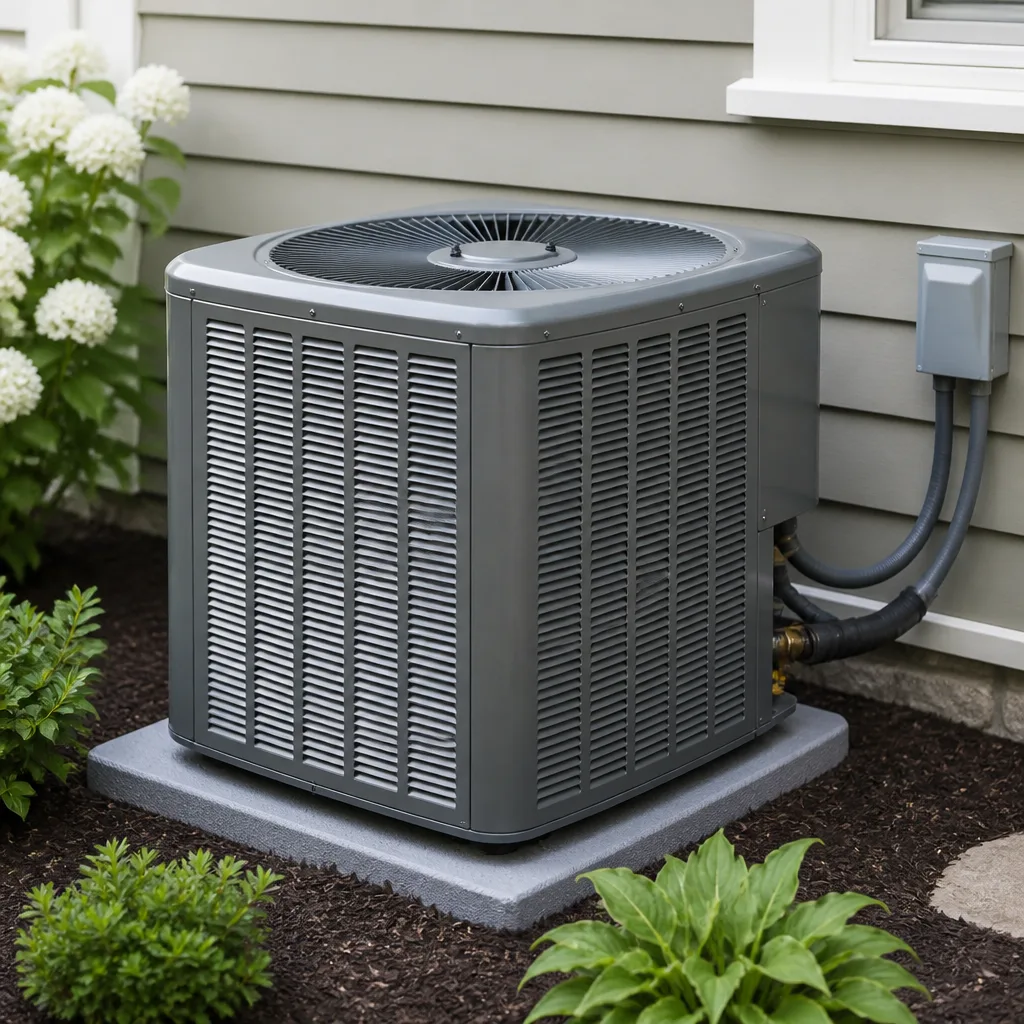 AC repair
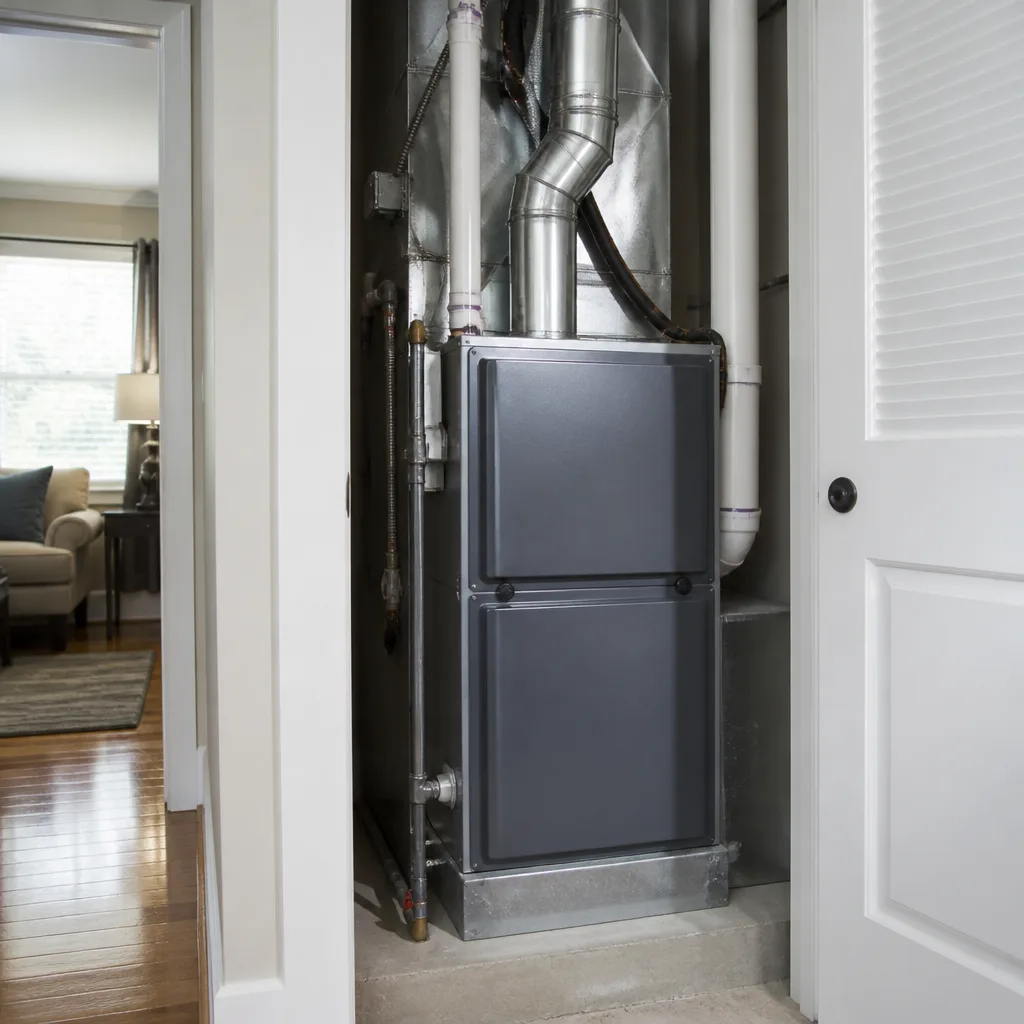 Furnace & heating
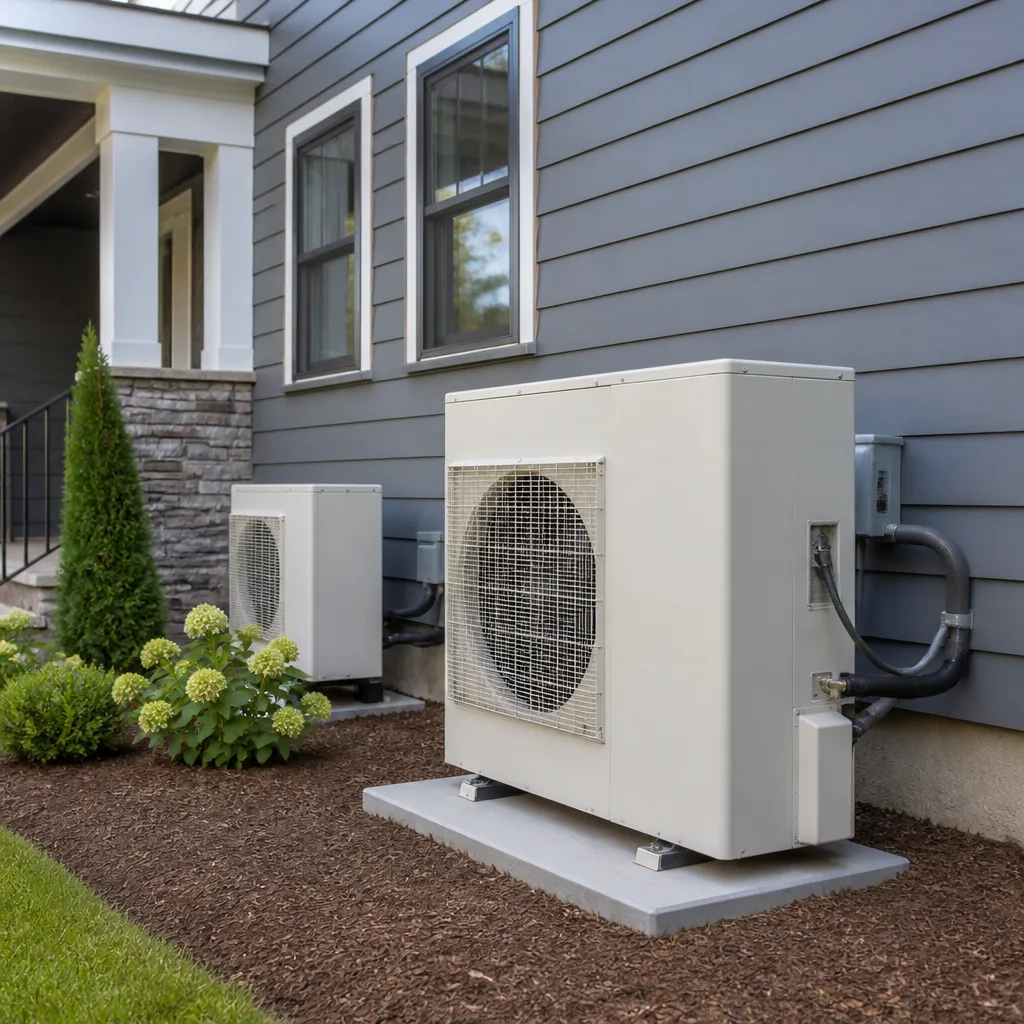 Heat pumps
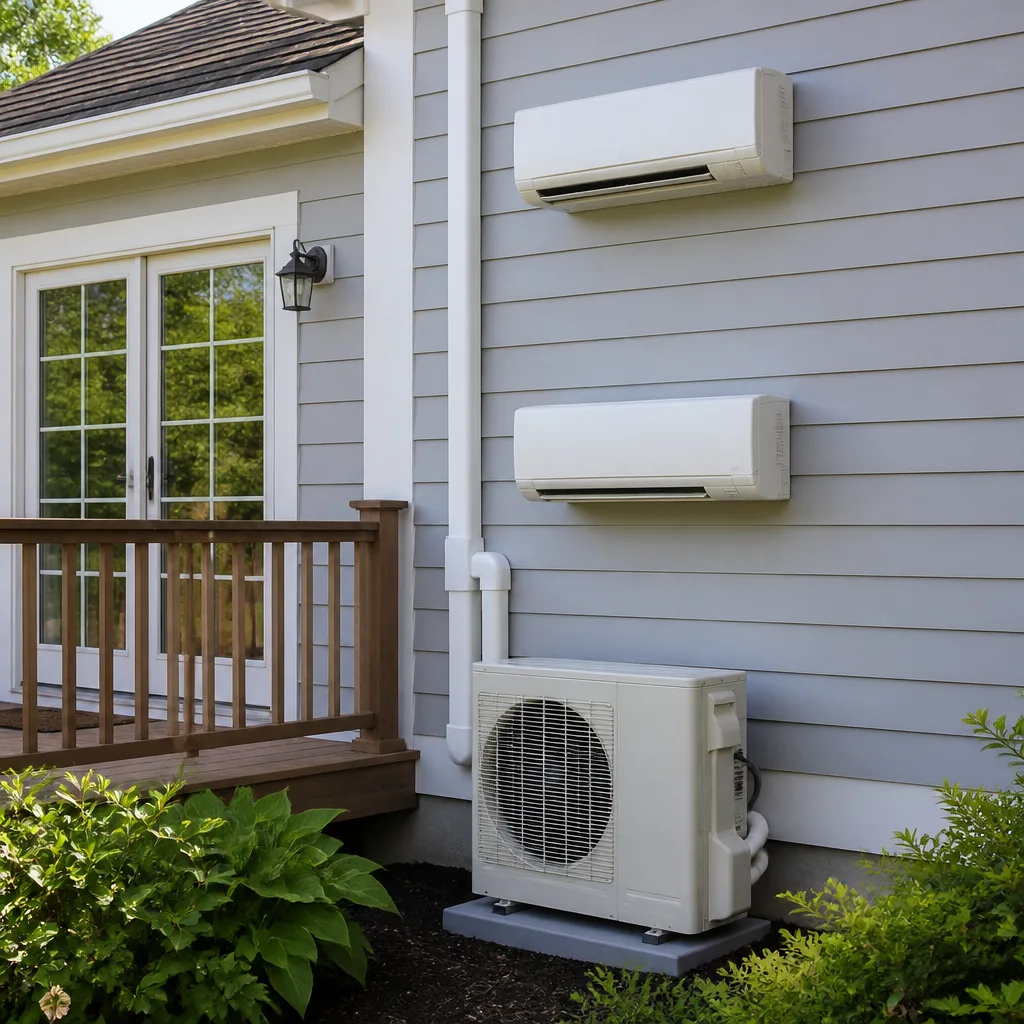 Ductless mini splits
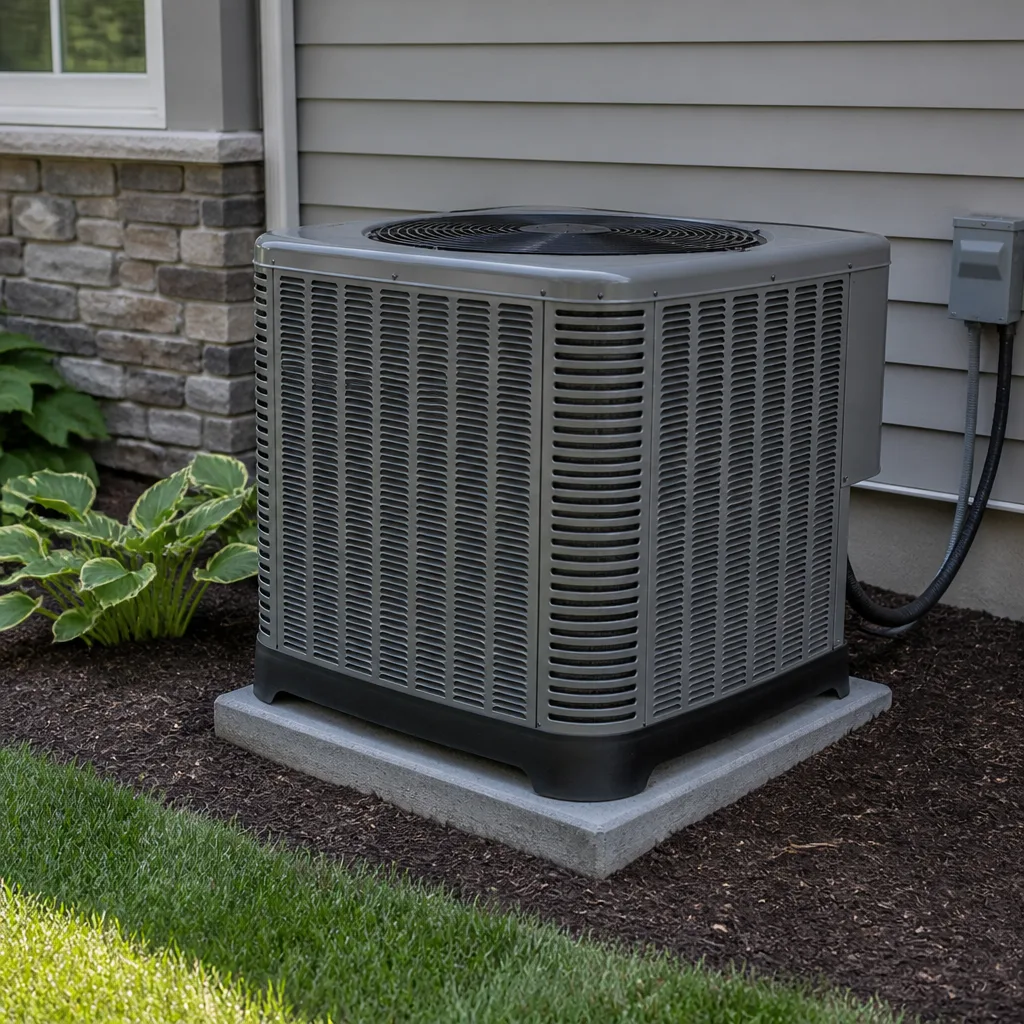 Carrier
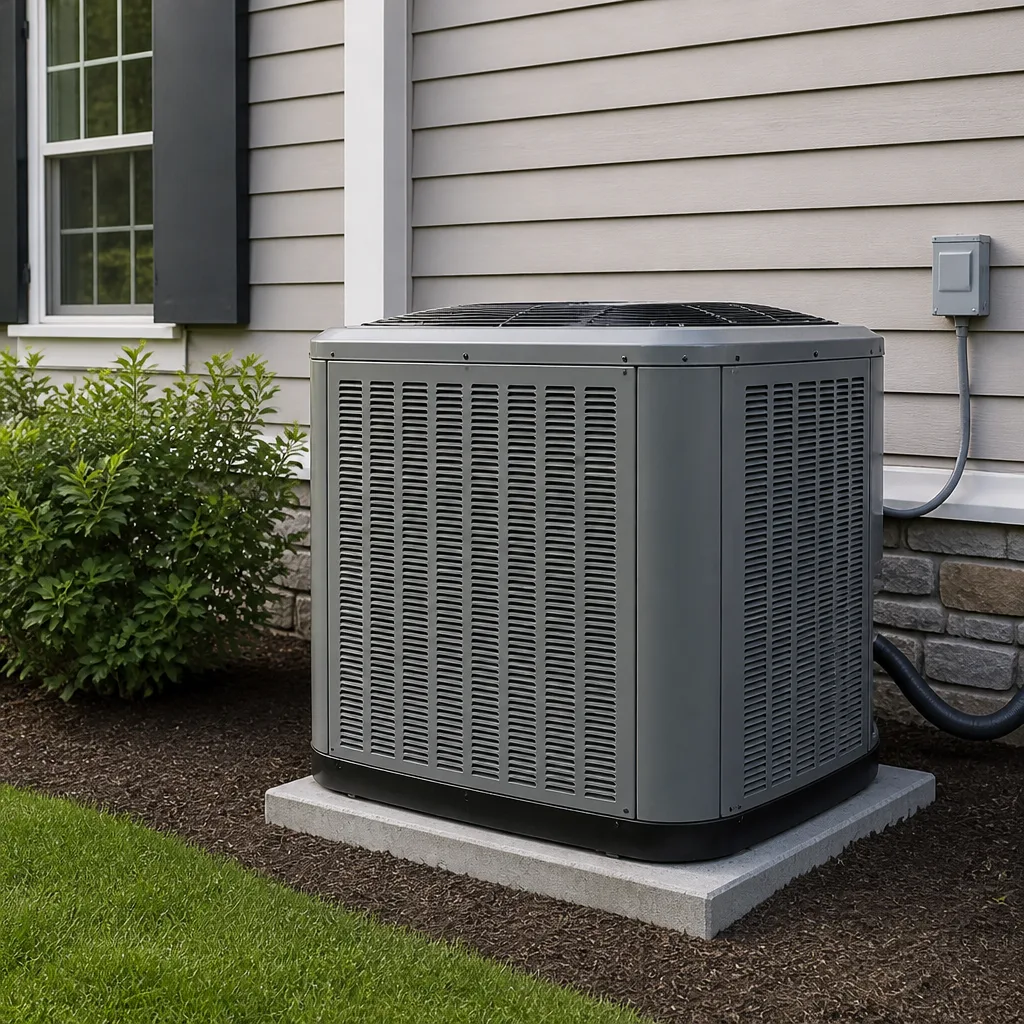 Trane
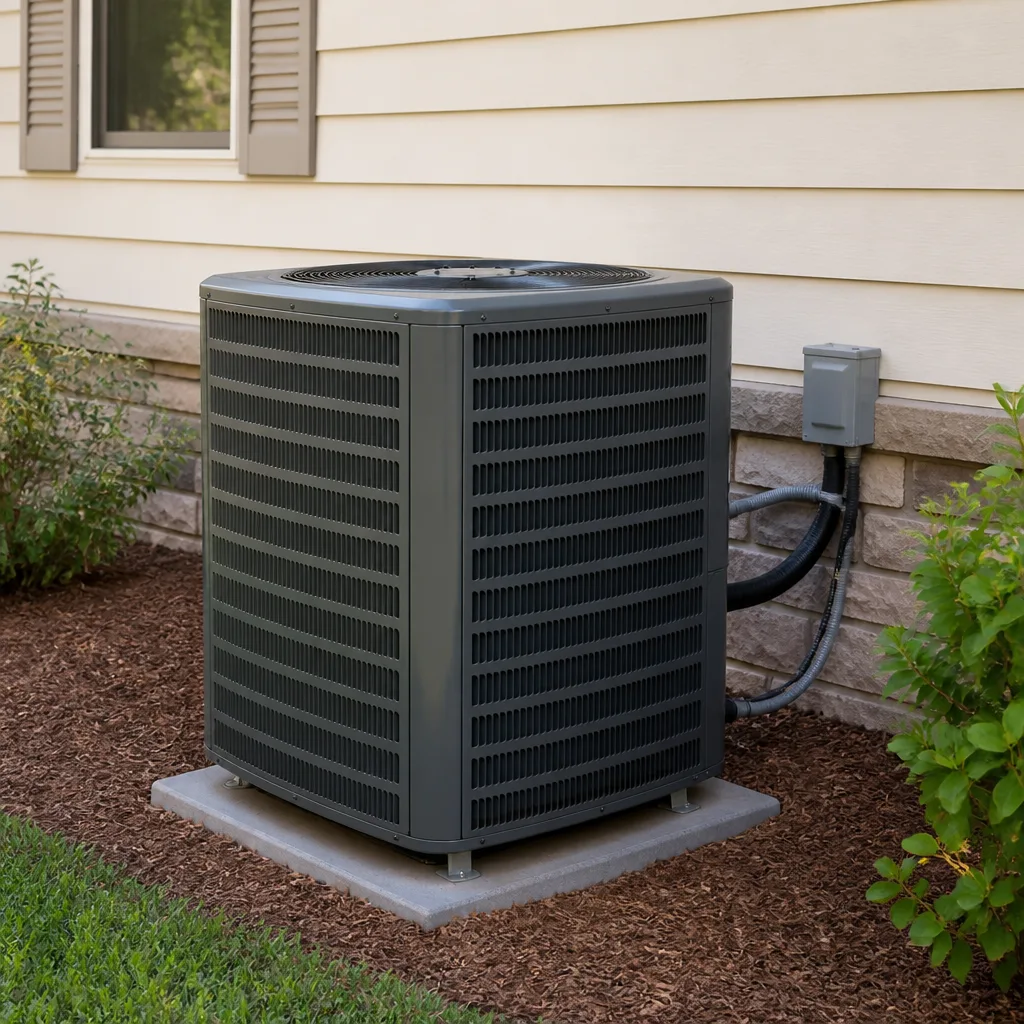 Goodman
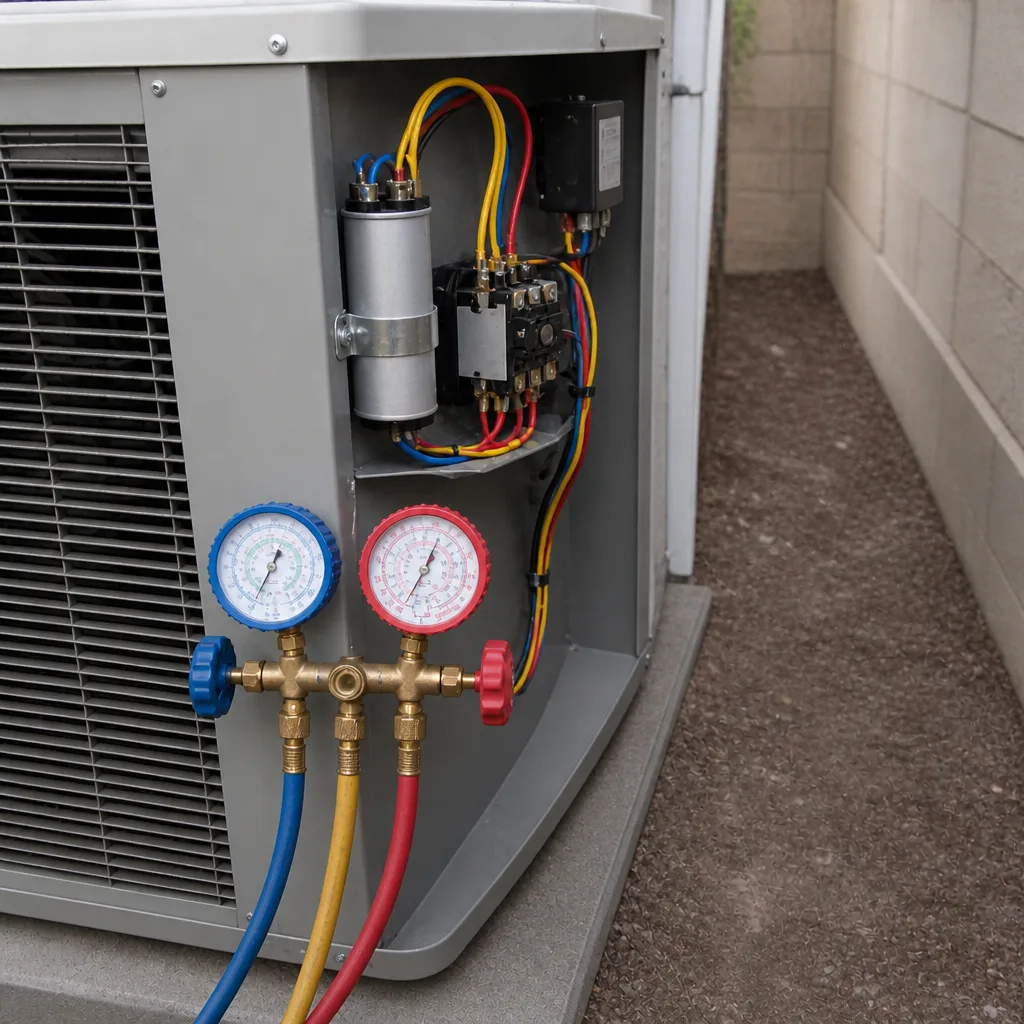
Seasonal tune-up and full diagnostic on your Carrier, Trane, or Goodman system - readings shown to you before any repair is proposed
Diagnosis first, numbers second - you approve the repair price before a single part goes in.
Get your free estimateHVAC Emergency Preparedness Guide for Paradise Homes
Most homeowners treat an AC failure as an annoyance. In Paradise, it’s a different calculation. When the outside temperature climbs past 110°F, a home without working cooling can cross from uncomfortable to dangerous in a few hours – and the people most at risk are often the ones least able to leave. The common misconception is that preparation means buying a generator or a spare compressor. It doesn’t. It means knowing your home’s temperature thresholds, having the right phone numbers already saved, and running a short triage list before you panic-dial anyone. This guide walks Paradise homeowners through pre-season prep, failure-day decisions, and what to say when you call so help arrives faster.
Quick Answer
An HVAC emergency plan for a Paradise home comes down to three things: a pre-season checklist (saved service contact, spare filter, outage notifications enrolled), a written temperature threshold that tells you when to leave rather than wait, and a 30-minute triage routine to rule out breakers and clogged drains before you call. If indoor temperatures are climbing toward triple digits and anyone in the home is elderly, very young, or medically fragile, treat it as a health event and act immediately rather than waiting for a scheduled appointment.
Styles & brands we work with
- AC repair
- Furnace & heating
- Heat pumps
- Ductless mini splits
- Carrier
- Trane
- Goodman
Table of Contents
- Why an AC Failure in Paradise Is a Health Event, Not an Inconvenience
- The Pre-Season Preparation List
- Indoor Temperature Thresholds: When to Stay, When to Leave
- Clark County Cooling Centers and How to Check Open Status
- The 30-Minute Triage Checklist Before You Call
- What to Tell a Dispatcher to Get Faster Response
- Repair or Replace Under Pressure: Making the Call When It’s Hot
- Common Mistakes to Avoid
- When to Call a Professional
- Frequently Asked Questions
Why an AC Failure in Paradise Is a Health Event, Not an Inconvenience
In 2023, Clark County recorded 340 heat-related deaths, the majority in residential settings. That number is the reason this guide exists. An AC failure on a 115°F day gives a household without a plan roughly four hours before indoor temperatures become dangerous for elderly residents or pets. Four hours is not a long window when you’re also trying to find a phone number, figure out whether the breaker tripped, and decide whether to stay or go.
Paradise sits in the middle of the Las Vegas Valley, and the housing stock here reflects that. A lot of the homes are stucco and tile-roof construction built to hold heat out, but they also hold heat in once the system stops moving air. West-facing rooms with large windows can run significantly hotter than the thermostat reads in a hallway. That gap matters during a failure, because the thermostat number you see may not reflect the hottest room in the house.
We see this pattern every summer. Homeowners call after the house has already been hot for hours, often because they spent the first part of the day assuming the system would catch up. It won’t. A system that has stopped cooling is not going to recover on its own, and every hour you wait narrows the margin. The point of this guide isn’t to scare you into a service contract. It’s to make sure that when your system fails in Paradise, you already know what to do and who to call.
The practical takeaway: treat a summer failure as time-sensitive from the first hour, not the fourth. The rest of this guide shows you how.
The Pre-Season Preparation List
The best time to prepare for an HVAC failure is before the cooling season starts, when nothing is urgent and you can think clearly. Here’s what we recommend every Paradise homeowner has in place by late spring.
- Save your service contact in your phone. Not on a fridge magnet, not in a drawer. In your phone, under a name you’ll find fast. When it’s 112°F and the house is heating up, you don’t want to be searching.
- Keep two spare filters on hand. A clogged filter is one of the most common causes of a system that runs but doesn’t cool, and it’s the one failure a homeowner can fix on their own. Match the exact size printed on your current filter.
- Enroll in NV Energy outage notifications. If a failure turns out to be a grid outage rather than an equipment problem, you need to know quickly so you don’t waste time on a service call. NV Energy offers notification enrollment through your account.
- Write down your thermostat’s make and model. A surprising share of “system won’t turn on” calls turn out to be thermostat settings or a dead thermostat battery. Having the model written down helps whoever you call diagnose faster.
- Note the age of your system. If you don’t know it, check the data plate on the outdoor unit. An older Carrier, Trane, Bryant, or American Standard system behaves differently than a newer one, and age factors into a repair-or-replace decision.
- Identify one cool room in your home. A basement, an interior room, or a room with a window unit. Know where your household would gather if the main system failed.
- Have a backup cooling option ready. A single window unit or portable unit won’t cool a whole Paradise house, but it can buy hours in one room.
None of this takes long. The value is that it’s done in advance, when the stakes are low.
Indoor Temperature Thresholds: When to Stay, When to Leave
Here’s the judgment call that matters most during a failure, and the one most homeowners get wrong. Not every hot house requires evacuation, and not every hot house is safe to wait in. The difference comes down to indoor temperature and who’s inside.
As a working rule, we tell Paradise homeowners to start watching indoor temperature closely once the house passes the mid-80s and to treat indoor temperatures approaching the low 90s as a signal to act. Those are not official health thresholds – individual risk varies – but they’re the range where a window unit stops being a stopgap and becomes a necessity, and where elderly residents and pets need a cooler place to be.
- Below the mid-80s indoors: a window unit in one room can usually buy enough time to wait for a scheduled visit, provided it isn’t getting hotter fast.
- Mid-80s to low 90s indoors: start moving vulnerable household members to a cooler room or a cooling center. Don’t wait for the house to get hotter before deciding.
- Approaching the low 90s indoors, or rising quickly: treat it as a health event. Get elderly residents and pets out first.
The word “quickly” is doing real work here. A house that hits 88°F and holds is a different situation from a house climbing two degrees an hour. Watch the trend, not just the number. If you’re unsure, err on the side of leaving – a few hours at a cooling center costs nothing, and the alternative is a medical emergency in a house that’s only getting hotter.
Clark County Cooling Centers and How to Check Open Status
Clark County operates cooling centers during periods of extreme heat, and knowing how to find one is part of a complete HVAC emergency plan for Paradise. The important detail is that locations and open status change, so you shouldn’t rely on a list you memorized last summer.
The reliable way to find a currently open cooling center is to check Clark County’s official heat response information through the county website or by calling the county’s information line. Libraries and community centers are commonly used as cooling sites, but which ones are open on a given day depends on the heat event and staffing.
Two practical notes for Paradise households:
- Check before you drive. Confirm the location is open, then confirm the address. A center that was open last week may not be open today.
- Plan for pets. Not every cooling center accepts pets. If you have animals, know in advance which nearby options do, or arrange a cooler room as a backup.
We keep this simple for a reason: during a failure, you want a plan you can execute in minutes, not a research project. Bookmark the county’s heat information page on your phone now, before you need it.
The 30-Minute Triage Checklist Before You Call
Before you call anyone for emergency service in Paradise, run through a short triage list. A meaningful share of “our AC died” calls turn out to be something a homeowner can fix or rule out in half an hour – and ruling those out means the technician who does come out spends their time on the real problem.
- Check the breaker. Go to the panel and look for a tripped breaker serving the outdoor unit or air handler. Reset it once. If it trips again, stop – that’s a signal to call a professional, not to keep resetting. Electrical panels carry real shock and fire risk. If you’re not comfortable opening the panel, don’t.
- Check the thermostat. Confirm it’s set to cool, the fan is on auto or on, and the battery isn’t dead. A dead thermostat battery looks exactly like a dead system.
- Check the filter. A filter clogged with dust restricts airflow and can cause the system to run without cooling. Replace it if it’s visibly loaded.
- Check the condensate drain. A clogged condensate drain can trigger a safety switch that shuts the system down. Look for standing water near the indoor unit. Don’t open the unit or take panels off – that’s a job for a technician.
- Check the outdoor unit. Confirm it’s running (you should hear the fan and compressor). If it’s silent while the indoor fan runs, note that. If it’s humming but not spinning, note that too – it’s useful information for the dispatcher.
- Check for ice. Ice on the indoor coil or refrigerant lines means the system is running low on charge or airflow is restricted. Turn the system off and call – running it iced up can cause damage.
- Note what you see and hear. Write down the symptoms. You’ll need them for the next section.
If triage clears everything and the house still isn’t cooling, you’ve done the useful part. Now it’s a service call.
What to Tell a Dispatcher to Get Faster Response
What you say when you call changes how fast you get help. A dispatcher triages calls, and the symptoms you describe determine where yours lands. Here’s how to describe a failure so you get the right priority.
Symptoms that escalate a call:
- Anyone in the home is elderly, an infant, medically fragile, or has a condition worsened by heat.
- Indoor temperature is climbing fast or already in the high 80s or above.
- You smell burning, see smoke, or notice scorch marks. Say this first. It’s a fire-safety issue.
- You hear a loud banging, grinding, or screeching from the outdoor unit.
- The system trips a breaker repeatedly.
- There’s ice on the unit or standing water near it.
What to have ready:
- The make and model of your system (Carrier, Trane, Bryant, American Standard, or any of the other major brands – we work on all of the ones you’ll find in Paradise homes).
- The age of the system, if you know it.
- What your triage turned up: breaker status, filter condition, whether the outdoor unit is running, any sounds or smells.
- Your address and the best number to reach you.
Describe symptoms in plain terms. “It’s blowing warm air and the outdoor unit is silent” tells a dispatcher more than “it’s broken.” The clearer your description, the better the call can be prioritized – and in a heat event, prioritization is everything.
Repair or Replace Under Pressure: Making the Call When It’s Hot
One of the hardest decisions in a heat event is whether to repair the failed system or replace it. Under pressure, homeowners tend to lean toward whatever gets cold air back fastest, which isn’t always the right call. Here’s how we think about it.
Repair makes sense when the system is otherwise in good shape, the failure is isolated, and the part is available. A failed capacitor or contactor on an otherwise healthy system is a straightforward repair. Replace makes sense when the system is old, the failure involves a major component like the compressor, or you’ve had repeated failures in the same season.
What we won’t do is push replacement because it’s the bigger ticket. Because we service all nine major brands you’ll find in Paradise homes – Carrier, Trane, Lennox, Goodman, Rheem, York, Daikin, Bryant, and American Standard – our recommendation is driven by your system’s condition and your budget, not by which brand we happen to stock. The technician who diagnoses a failing system is the same one who can walk you through both options honestly.
Two things to keep in mind during a heat event:
- Replacement is not a same-day decision. A new system has to be sized for your home, ordered, and scheduled. If you choose replacement, you’ll need a plan for the days in between – a window unit, a cooling center, or staying with family.
- You need a written price either way. Whether you repair or replace, ask for the price in writing before work starts. That’s how you avoid surprises.
For a deeper look at what replacement involves, see our page on AC installation. For heating-side emergencies in the cooler months, our furnace repair service covers the same triage approach.
Common Mistakes to Avoid
- Waiting to see if it “catches up.” A system that has stopped cooling doesn’t recover on its own. Every hour you wait during a Paradise heat event narrows your margin. Call early and run triage while you wait.
- Resetting a breaker repeatedly. If a breaker trips again after one reset, stop. Repeated resets on a failing electrical component are a fire risk. Call a professional.
- Opening the unit or removing panels. Refrigerant lines and capacitors carry serious hazards. A homeowner can change a filter and check a breaker; anything past that is a job for a technician.
- Ignoring the thermostat reading in one room. The thermostat in your hallway may read cooler than a west-facing bedroom. Check the hottest room before deciding it’s safe to stay.
- Not having the phone number saved. During a failure, searching for a number costs minutes you may not have. Save it before the season starts.
- Choosing a contractor by price alone. A cheap repair that fails again in two weeks is more expensive than a correct one. Ask what the price covers and get it in writing.
- Forgetting pets in the plan. Pets are as vulnerable to heat as people, and not every cooling center accepts them. Have a plan for them too.
When to Call a Professional
Call a professional when your triage clears the obvious causes and the house still isn’t cooling. Call immediately – don’t wait for a scheduled window – when the symptoms point to something more serious: a burning smell, repeated breaker trips, ice on the unit, standing water, or a loud mechanical noise. Call first thing if anyone in the home is elderly, very young, or medically fragile, because those calls get prioritized. For homeowners who already know their system needs service, whether that’s a failing AC or a furnace that won’t fire, one call covers both sides. Our technicians have up to 9 years of experience, and we work on the brands you actually have – Carrier, Trane, Bryant, American Standard, and the rest of the majors. AC Repair Paradise offers free estimates in Paradise – call (844) 820-2853. We answer 24/7. Fast dispatch from 7am to 7pm, Sunday through Friday.
Frequently Asked Questions
A home without working cooling can move from uncomfortable to dangerous in roughly four hours on a 115°F day, especially for elderly residents and pets. The exact window depends on the house, the time of day, and who’s inside, but treat the first hour as the time to act, not the fourth. If indoor temperatures are climbing and anyone is vulnerable, get them to a cooler room or a cooling center. Call (844) 820-2853 for an exact quote – estimates are free.
Check the breaker, thermostat settings and battery, the air filter, and the condensate drain – those are the four most common non-emergency causes of a system that won’t cool. Also note what the outdoor unit is doing: running, silent, or humming without spinning. That information helps the dispatcher prioritize your call. If triage clears everything and the house is still hot, call (844) 820-2853.
Cooling center locations and hours change with each heat event, so the reliable way to know is to check Clark County’s official heat information through the county website or its information line. Libraries and community centers are commonly used as sites, but confirm the location is open before you drive. Don’t rely on a list from last summer.
Same-day service is often possible, especially if you call early and describe the symptoms clearly. We answer 24/7, and we dispatch crews fast from 7am to 7pm, Sunday through Friday. If your call comes in outside dispatch hours, it’s booked into the next opening. Call (844) 820-2853 for the fastest response.
Repair usually makes sense for an isolated failure on an otherwise healthy system, while replacement makes more sense for an old system with a major component failure or repeated problems in the same season. We service all nine major brands, so our recommendation is based on your system’s condition and your budget, not on which brand we stock. For a written price on either option, call (844) 820-2853 – estimates are free.
We answer 24/7, so call whenever the failure happens. A call outside dispatch hours is booked into the next opening, Sunday through Friday, 7am to 7pm. We’re closed Saturday. If the house is getting dangerously hot before then, run the triage list, get vulnerable household members to a cooler place, and call (844) 820-2853 – we’ll get you on the schedule.
The Bottom Line
An HVAC failure in Paradise is a health event on a hot day, and the homeowners who handle it best are the ones who prepared before anything broke. Save the service number, keep spare filters, enroll in outage notifications, and know your home’s temperature thresholds. Run the triage list before you call, describe your symptoms clearly when you do, and get the price in writing whether you repair or replace. None of it is complicated. The value is that it’s all in place before the thermometer climbs. If you’re facing a failure right now, or you want a professional to look at your system before the next heat event, we work on the brands you actually have. AC Repair Paradise covers the full range of comfort calls, and you can find more about the Paradise area we serve. Call (844) 820-2853 for a free estimate. We answer 24/7. Fast dispatch from 7am to 7pm, Sunday through Friday.
Written by the team at AC Repair Paradise.
See the difference
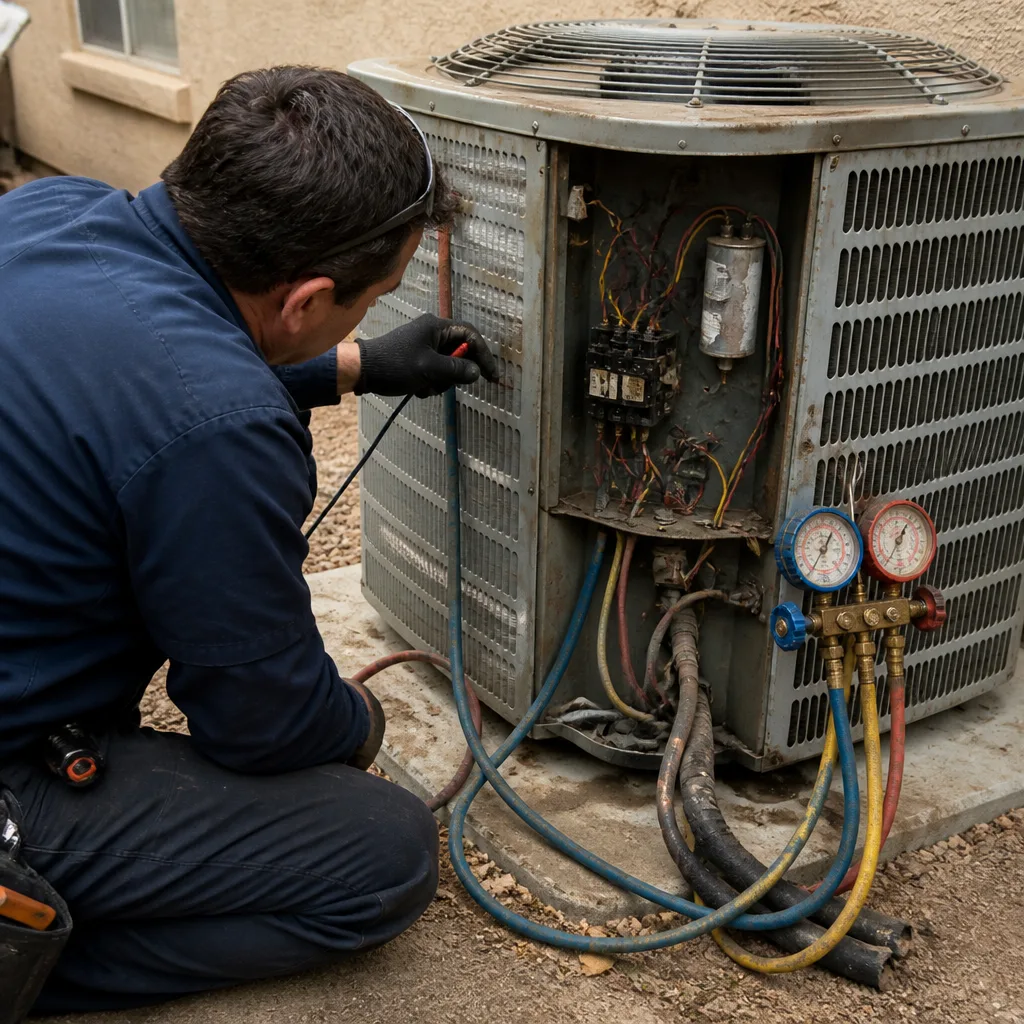 Before
 After
 Before
 After
 Before
 After