
Last updated November 16, 2026
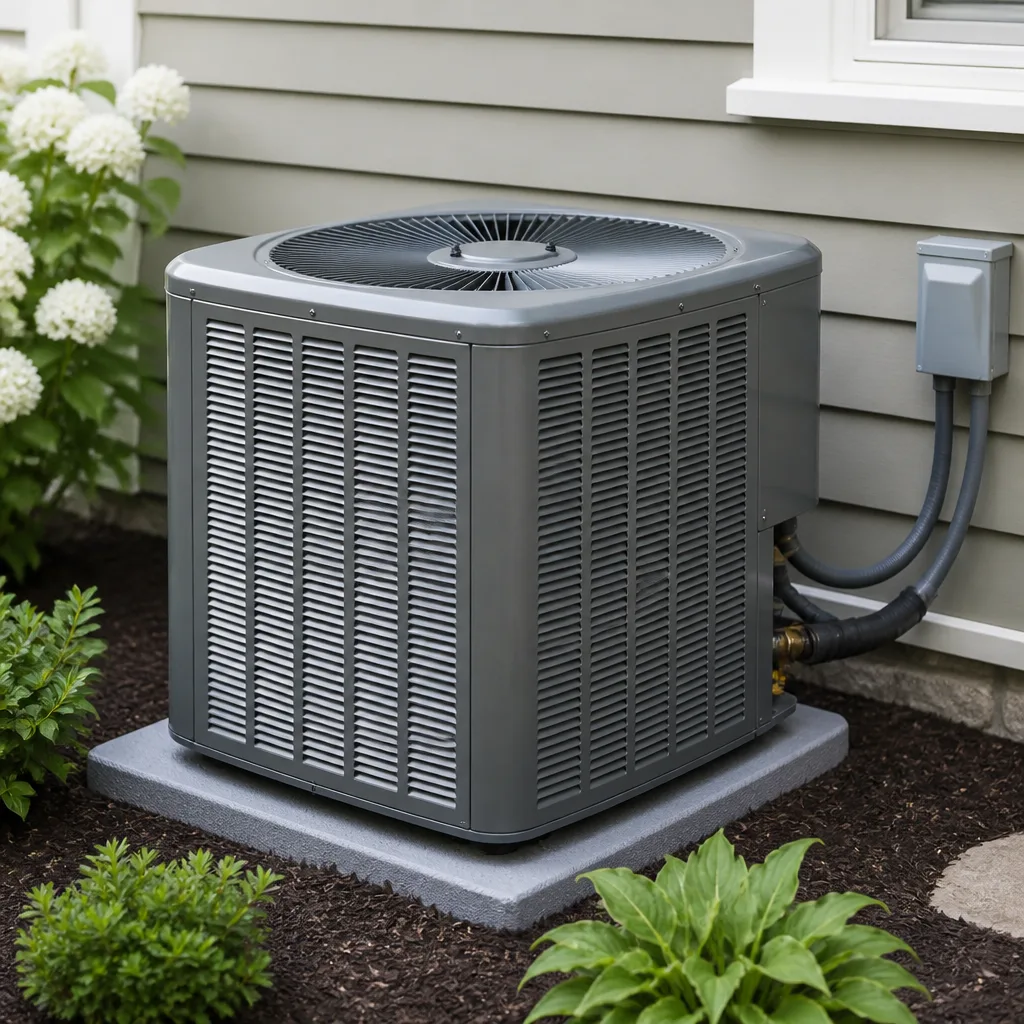 AC repair
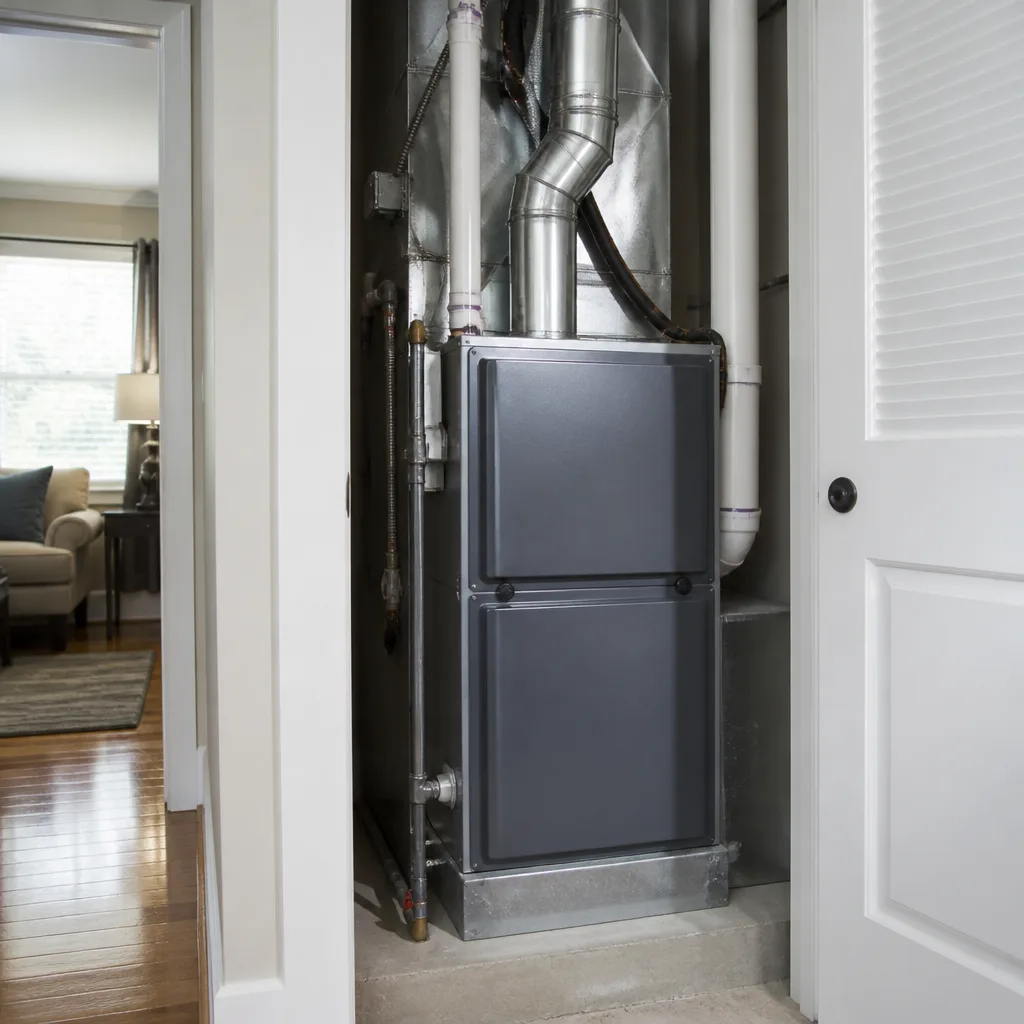 Furnace & heating
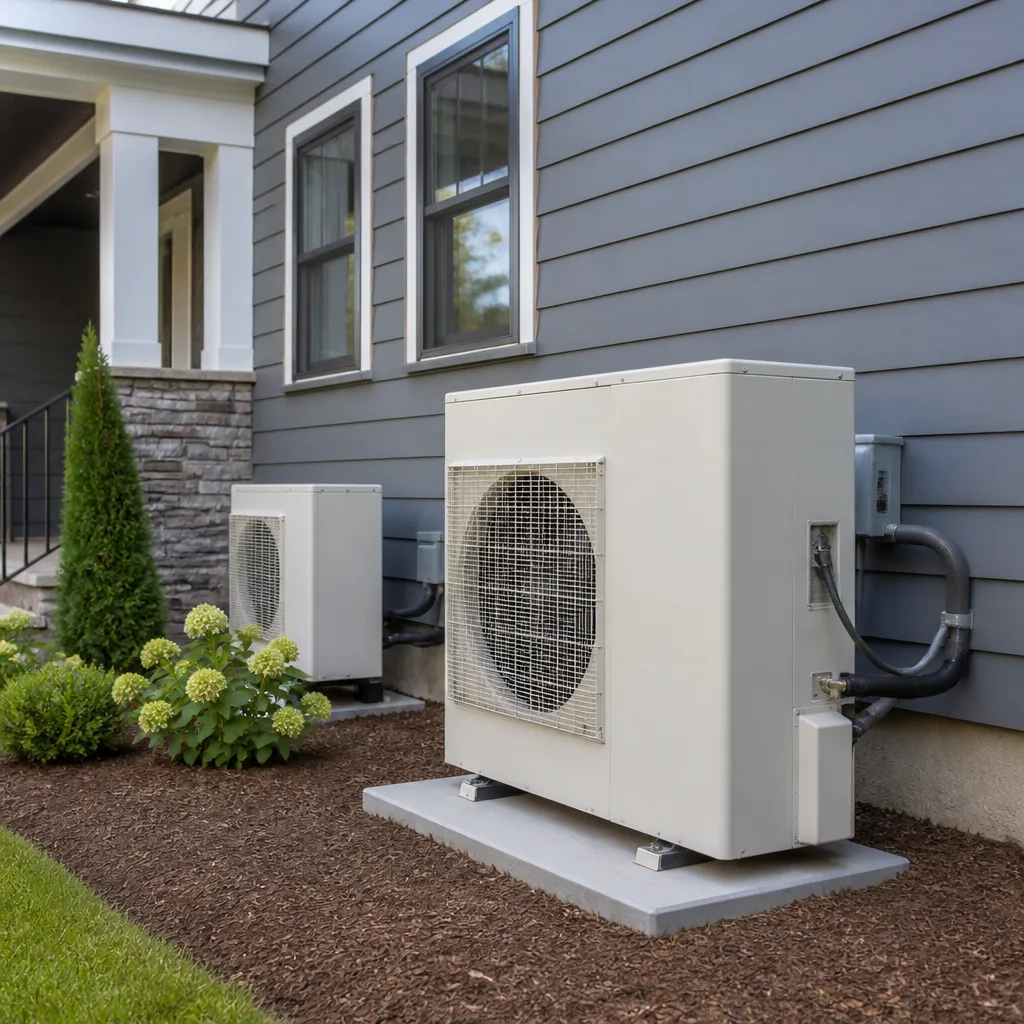 Heat pumps
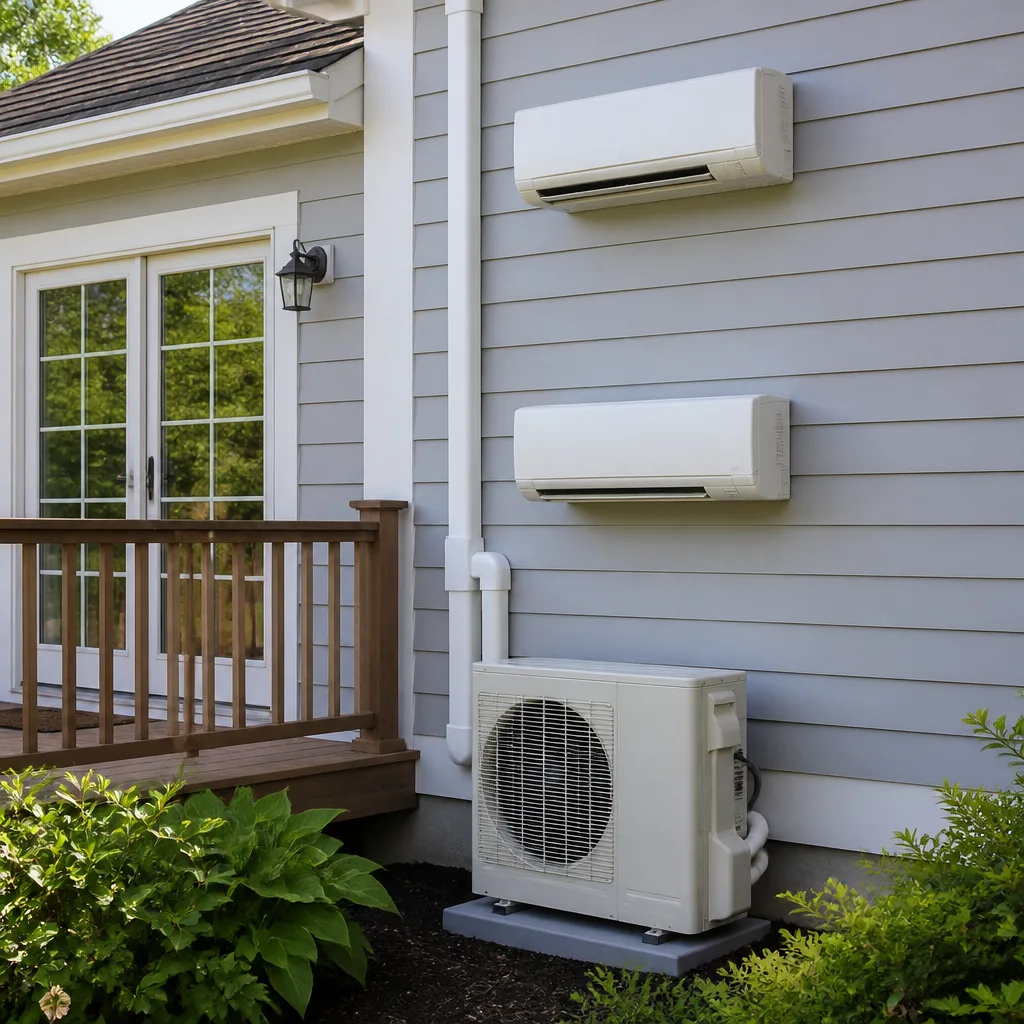 Ductless mini splits
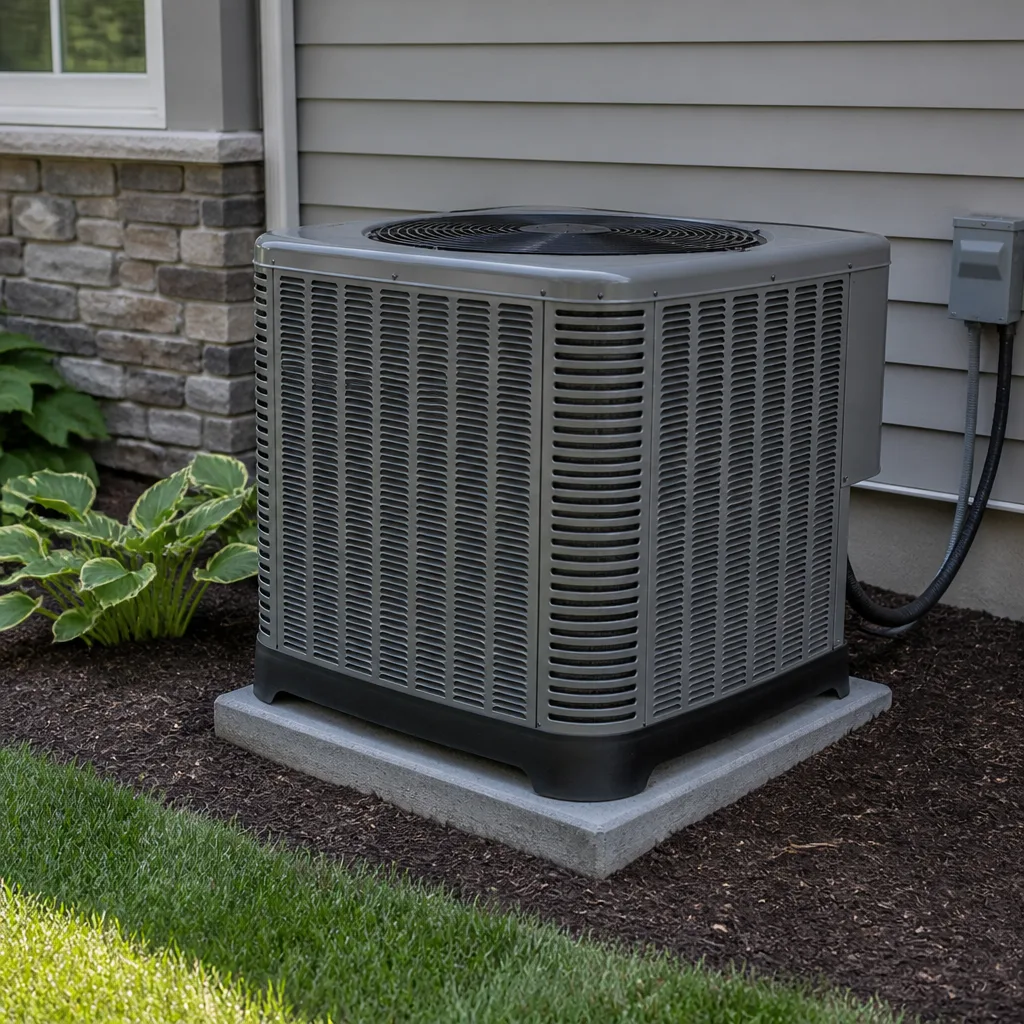 Carrier
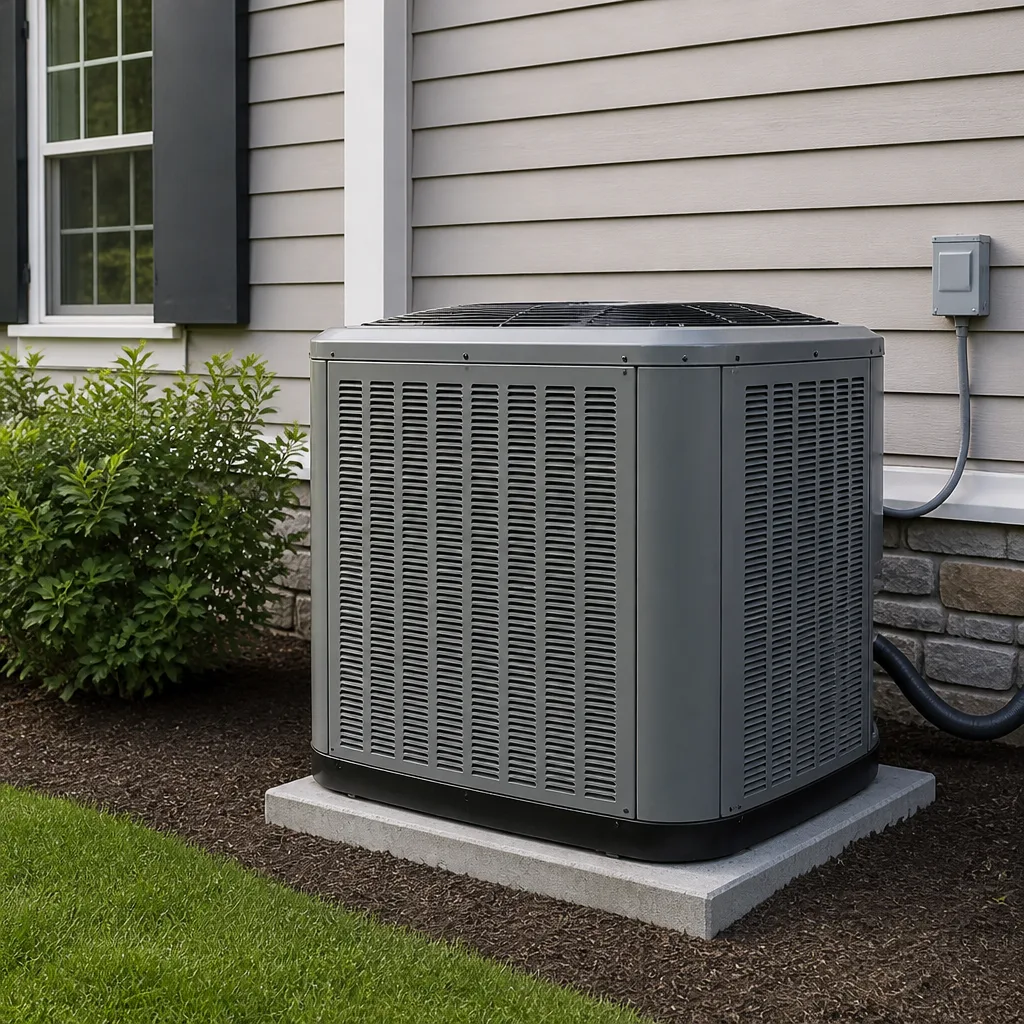 Trane
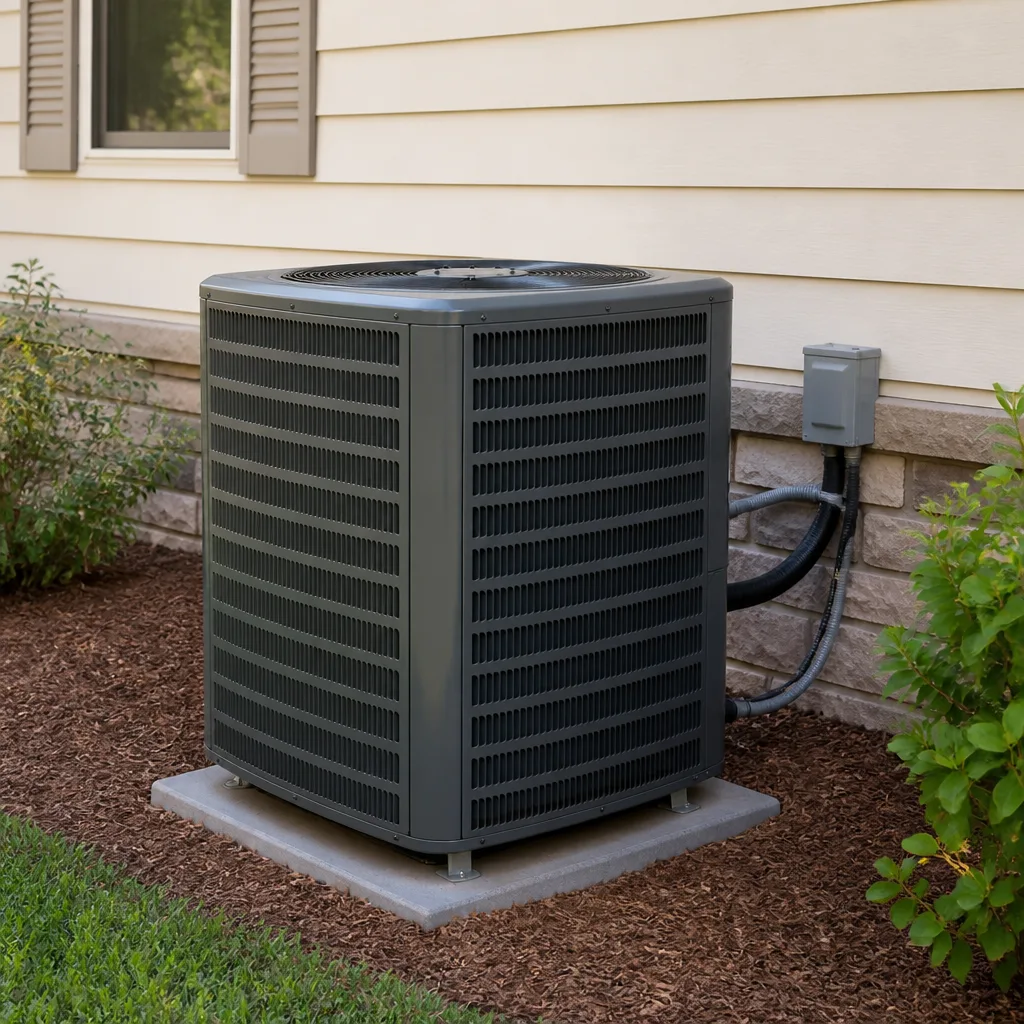 Goodman
Seasonal tune-up and full diagnostic on your Carrier, Trane, or Goodman system - readings shown to you before any repair is proposed
Diagnosis first, numbers second - you approve the repair price before a single part goes in.
Get your free estimateHVAC Warning Signs: A Paradise Homeowner’s Reference Guide
Most guides to HVAC warning signs tell you what to do when your system is already dead. That’s the easy part: no cold air, no heat, call someone. The signals that actually save you money in Paradise show up months earlier, and they’re quiet. A thermostat holding 3°F below its setpoint at four in the afternoon in June isn’t a thermostat problem. It’s usually a refrigerant charge or an airflow restriction that starts small, costs you efficiency all summer, and becomes a hard shutdown six weeks later when every contractor in the valley is booked out two weeks. This guide covers those early signals: the spring runtime patterns that predict summer failure, how to read your own thermostat data, what a rising power bill in April is telling you, and which sounds mean “schedule a checkup” versus “call today.”
Quick Answer
The main HVAC warning signs for a Paradise homeowner are a system that runs continuously past 10 p.m. in spring, short-cycling, a thermostat that can’t reach its setpoint on hot afternoons, ice on the indoor coil or refrigerant lines, a power bill that climbs before peak season, and new or changing noises from the compressor or blower. Any one of these is worth a diagnostic visit. Two or more together means you should stop waiting and get the system checked before summer load arrives.
Styles & brands we work with
- AC repair
- Furnace & heating
- Heat pumps
- Ductless mini splits
- Carrier
- Trane
- Goodman
Table of Contents
- The Spring Runtime Pattern That Predicts Summer Failure
- Short-Cycling: When Your System Gives Up Mid-Cool
- The Setpoint Gap: Why Your Thermostat Can’t Keep Up
- Coil Freeze Signs in Paradise’s Desert Swing
- What an April NV Energy Bill Increase Really Means
- The Sound Taxonomy: Checkup Noises vs. Call-Today Noises
- How to Read Your Smart Thermostat Data Log
- Airflow Signals You Can Check Without Tools
The Spring Runtime Pattern That Predicts Summer Failure
Here’s the pattern worth watching from March through May. A healthy system in spring runs in cycles and rests between them. If your condenser is still running at 10:30 at night on a 78°F evening, or cycling on and off every few minutes through the afternoon, the system is compensating for something. That something is usually low refrigerant, a dirty evaporator coil, a failing capacitor, or a compressor working harder than it should. We see this consistently in Paradise: a homeowner calls in July when the system quits, and the service record shows the same unit was already running long cycles for two months.
Track it for one week. Pick a day when the outdoor temperature is moderate, note the time your system turns on and off, and do it again on a hot afternoon. What you’re looking for:
- Cycles longer than 15 – 20 minutes per run without a corresponding rise in outdoor temperature suggests the system is losing capacity.
- Runtime past 10 p.m. on a mild evening is the clearest red flag. A system keeping up with a 78°F night shouldn’t still be working at that hour.
- Cycles shorter than 5 minutes (start, run, stop, restart) is short-cycling, covered below.
- Noticeable increase in total daily runtime compared to the same week last year, if you have a smart thermostat log.
A unit that can’t get ahead of spring load will not survive July. Catching it in April means a repair appointment. Catching it in July means a repair appointment behind twenty other people. Our technicians have up to 9 years of experience and the diagnostic shortcuts that come from working on every major system type, and a spring check is cheaper and faster than a mid-summer emergency.
Short-Cycling: When Your System Gives Up Mid-Cool
Short-cycling is the opposite problem and often more damaging. The system starts, runs for two or three minutes, shuts off, and starts again shortly after. Each of those starts draws a hard electrical hit on the compressor. Over a season, that wear adds up in a way long runtimes don’t. In our experience across Carrier, Trane, and Lennox equipment, short-cycling is one of the top reasons compressors fail early.
Common causes of short-cycling:
- Oversized system. It cools the space too fast, satisfies the thermostat, and shuts off before it has finished removing humidity. Common in homes where a replacement was sized by square footage alone instead of a load calculation.
- Failing capacitor or contactor. Cheap parts with outsized consequences. The compressor tries to start, the relay trips, and the cycle repeats.
- Restricted airflow. A clogged filter, blocked return, or failing blower causing the system to overheat and trip a safety switch.
- Refrigerant overcharge or undercharge. Both cause pressure limits to trip.
- Thermostat placement or calibration problem. A thermostat picking up heat from a nearby lamp or direct sun will cycle the system prematurely.
Three of those five causes need a technician with gauges. A filter is a homeowner fix; the rest isn’t. If you’re seeing short cycles in spring, book a look. Continuous runtime and short-cycling are the two runtime patterns that tell you the most about whether your equipment will last through the summer in Paradise.
The Setpoint Gap: Why Your Thermostat Can’t Keep Up
The setpoint gap is the difference between what your thermostat is set to and what the house is actually holding. On a 108°F afternoon in Paradise, some gap is normal – no system moves a house to a set temperature instantly when the outdoor air is that hot. A gap that appears in June and doesn’t exist in April is diagnostic. A gap of 3°F or more that persists for two hours is the specific sign of a system that has lost capacity, whether through refrigerant loss, a dirty coil, or a failing compressor valve.
What the gap usually means:
- 2°F to 3°F gap, only in the afternoon, only on the hottest days: can be normal for older equipment, but worth checking filter, coil cleanliness, and refrigerant charge once.
- 3°F or more gap, growing over weeks: almost always refrigerant or airflow. Not a thermostat issue.
- Gap larger than 5°F with the system running continuously: stop running it. You’re risking compressor damage from a low-charge or overheating condition.
- Gap present even in the morning: serious. The system has lost most of its cooling capacity.
Homeowners often replace the thermostat when they see this pattern. It almost never helps. The thermostat is measuring correctly; the equipment is failing to deliver. Save the thermostat money and put it toward a proper diagnosis. If you need AC installation because the equipment truly has reached end of life, that’s a different conversation, and we’ll get to that below.
Coil Freeze Signs in Paradise’s Desert Swing
Ice on an air conditioner in the desert sounds impossible, which is exactly why it gets missed. A frozen evaporator coil isn’t caused by cold weather; it’s caused by a pressure and temperature drop. Low refrigerant or restricted airflow drives the coil temperature below freezing, and the moisture from normal humidity in the house condenses on it as ice. In Paradise, the swing matters: our humidity is low most of the time, so the frost looks thin or patchy. Then a high-load day arrives, the system works harder, and the coil ices over in a way that shuts the system down completely.
Signs the coil may be freezing:
- Ice or frost visible on the copper refrigerant lines at the indoor unit or where the line set exits the wall.
- Ice visible on the outdoor unit at the base or on the suction line.
- Weak airflow that gets weaker over 20 – 30 minutes of runtime, then recovers after the system rests.
- Water pooling near the indoor unit as the ice melts and overflows the drain pan.
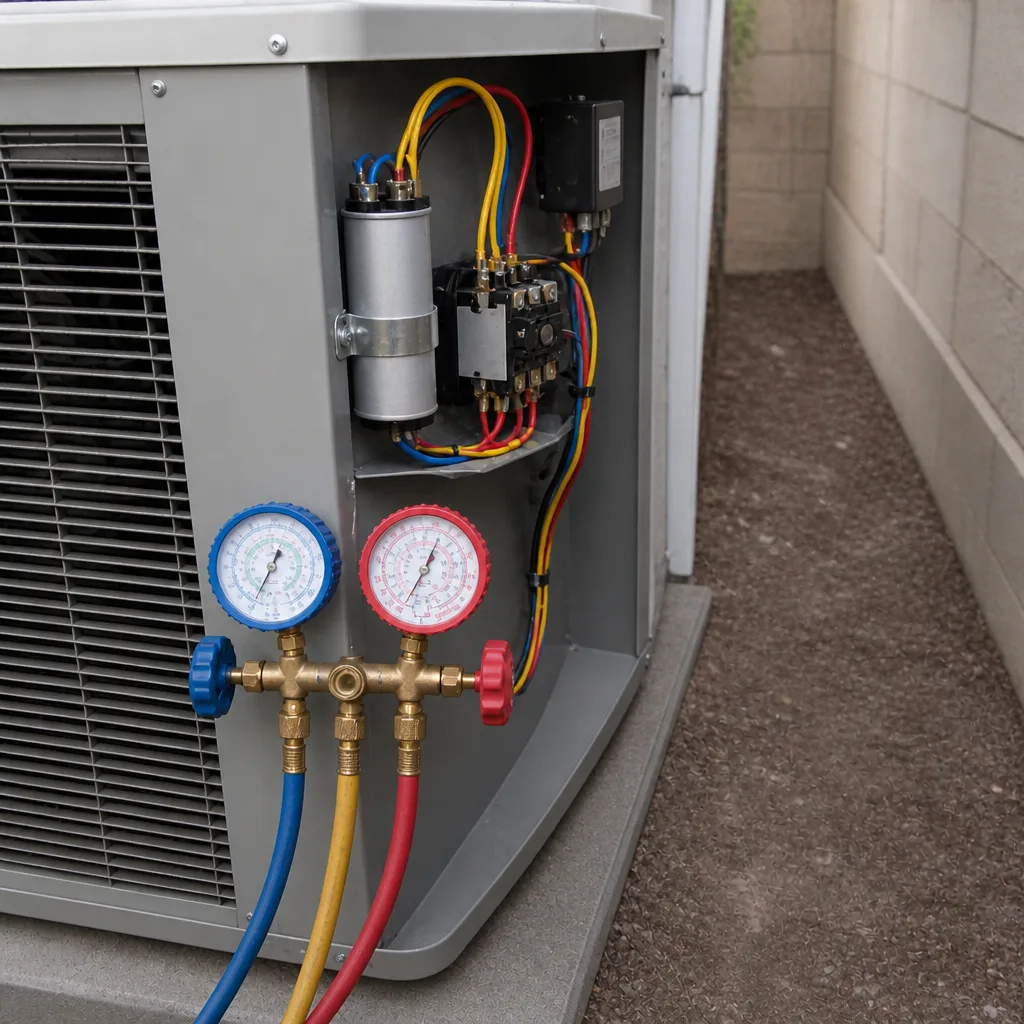
- Hissing or bubbling at the service valves at the outdoor unit, which usually means a refrigerant leak.
If you see ice, turn the system off at the thermostat and let it thaw completely before trying it again. Do not run it while iced. If the ice returns after thawing, call us for a diagnostic. A refrigerant leak that freezes the coil in spring is the same leak that will empty the system in July. Service on York, Goodman, and Rheem systems is routine for our team; the diagnostic process is the same across all of them, since the physics of a low-charge coil don’t change by brand.
What an April NV Energy Bill Increase Really Means
April in Paradise is not peak cooling season. It’s a comfortable month. A jump in your NV Energy bill in April, before the peak-load months, tells you something specific: your system is using more electricity per unit of cooling than it used to. That’s not a rate change. It’s efficiency degradation. The system is running more hours to deliver the same comfort, either because it’s losing refrigerant, the outdoor coil is dirty, the compressor is wearing, or the blower is failing.
How to read the increase:
- Compare April to the prior April on your bill, not to March. The rate structure and seasonal usage patterns change between months.
- Look at kilowatt-hours, not dollars. Rates move; kWh use is the actual measure of system efficiency.
- If April kWh is up 10% or more year over year with no change in your household habits, the system is losing efficiency.
- If the increase began in March and continued through April, the loss is progressive – which points to refrigerant or compressor wear, not a one-time event.
An efficiency loss of 10 – 15% can add up over a full summer on a home in Paradise. It can also be the first sign of a system that needs a part swap. A diagnostic visit finds the cause; the fix is usually far smaller than the summer of lost efficiency. Get ahead of it in April, and you’ll be running at full capacity when the load actually arrives. The technicians we work with have up to 9 years of experience with these patterns, and they can usually pinpoint the efficiency drop with a pressure check and an amp draw on the compressor.
The Sound Taxonomy: Checkup Noises vs. Call-Today Noises
Sound is the fastest diagnostic signal a homeowner has, and the one most often ignored. New noises never get better on their own. Group what you’re hearing into two buckets.
Schedule a checkup
- Rattling from the outdoor unit – loose panel, fan blade imbalance, or worn mounting bolts. Not urgent, but not something to ignore either.
- Low hum that’s louder than it was last summer – compressor bearing wear starting. Worth checking before summer load finds it.
- Whistling at the vents – airflow restriction from dirty filter, blocked duct, or undersized register. Fixable, but the restriction compounds.
- Clicking at the thermostat – relay or contactor wear. The part is inexpensive; the ripple effect of a failing contactor is not.
- Buzzing at the indoor unit – blower motor or control board issue. Get it checked with a normal appointment.
Call today
- Metallic grinding from the outdoor unit – compressor bearing failure or fan motor seizing. Run it, and you’ll be calling about a replacement rather than a repair.
- Screeching or squealing while running – bearing seizure in the blower or compressor. Shut it off.
- Loud clanking on startup – a loose fan blade, a broken motor mount, or something worse inside the compressor housing.
- Electrical buzzing from the breaker or disconnect – a live electrical concern. Turn the system off at the breaker, don’t reset it, and call us.
- Hissing that won’t stop – likely a refrigerant leak. Refrigerant is a controlled substance and handling it wrong is dangerous and illegal. Leave it to a technician.
Note the phrase “call today” carefully. If you’re hearing a call-today sound, don’t schedule it for next week and hope. A grinding compressor has a very short window before it fails completely. When that happens mid-summer in Paradise, you’re dealing with a furnace repair list on the heating side and a full AC replacement on the cooling side, and neither one is a decision you want to make in a hurry.
How to Read Your Smart Thermostat Data Log
Smart thermostats record hours of runtime, setpoint versus actual temperature, and cycle counts. That data is the single best early warning system a homeowner has, and almost nobody reads it. Here’s how to open and interpret it, using the pattern that matters most.
- Open your thermostat app and find the runtime or history screen. On most brands it’s under “Energy,” “History,” or “Runtime.”
- Look at daily runtime for the past 30 days. You’re comparing against the same month last year, not just against last week.
- Look for the pattern, not the number. If daily runtime has climbed steadily over six weeks without the weather climbing at the same rate, the system is losing capacity.
- Check cycle count. A system cycling 8 – 10 times a day on a moderate day is fine. A system cycling 30 or more times a day is short-cycling.
- Check the setpoint vs. actual temperature chart. A widening gap on hot afternoons confirms the setpoint gap issue covered earlier.
- Look for gaps in the log. Runtime data that disappears for hours usually means the thermostat lost power or connectivity. Both are worth investigating.
A Bryant or Daikin smart thermostat gives you more data than most people know what to do with. The point isn’t to read every chart. The point is to catch a trend four to six weeks before it becomes a failure. If the data shows anything unusual, call us. The thermostat is telling you something real, and a diagnostic visit gets you to the actual cause quickly. If your home is in Paradise, the technician who comes out can pull the same data and usually cross it against what the gauges read on a live visit.
Airflow Signals You Can Check Without Tools
Airflow problems show up before hardware problems in most systems. A weak blower or a restricted return runs the system hotter, costs more energy, and eventually causes parts to fail. You can check several of these without any tools.
- Hand-test the supply registers. Compare the airflow from a register near the air handler to one at the far end of the house. A large difference means the ducting is restricted or leaking.
- Check filter condition monthly, more often in dusty season. Paradise sees airborne dust; a filter that looks gray after two weeks is doing its job but you need a tighter change schedule.
- Look for whistling or rattling registers. Whistling means restricted flow. Rattling means loose ductwork.
- Check the return grille. A return that’s blocked by furniture or a rug is one of the most common causes of a system that runs continuously.
- Feel for temperature stratification. If upstairs rooms run several degrees warmer than downstairs with the same setpoint, the system is delivering uneven airflow and probably running longer than it needs to.
- Look for dust blowing from registers. That’s a filter or duct-cleaning issue, and it also means the blower is moving dust through the evaporator coil where it will soon reduce heat transfer.
Airflow issues compound. A dirty filter, running long enough, contaminates the coil. A contaminated coil reduces cooling capacity, which increases runtime, which adds wear. The monthly filter check is the cheapest recurring maintenance you can do.
Common Mistakes to Avoid
- Replacing the thermostat when the symptom points to the equipment. A thermostat that shows a setpoint gap is working correctly. The problem is downstream. Replacing it wastes money and delays the actual diagnosis.
- Running an iced coil to “see if it clears.” Running a frozen coil can damage the compressor and force a replacement rather than a repair. Turn the system off and let it thaw completely before trying again.
- Assuming an April electric bill jump is a rate change. In Paradise, an April increase before peak season is almost always a system efficiency issue. Check kilowatt-hours, not dollars.
- Ignoring new noises because “it’s still cooling.” A grinding compressor is still cooling right up until the moment it isn’t. That moment is usually on a 110°F afternoon, when every contractor in the valley is booked.
- Treating a checkup as optional when two or more warning signs are present simultaneously. One sign is worth a call. Two or more is worth booking now.
- Waiting until June to schedule spring maintenance. The window for pre-season diagnostics is March through May. By late June, the same appointment is competing with every other homeowner in Paradise whose system just failed.
- Assuming a brand recommendation from a contractor who only installs that brand. A brand-agnostic assessment matters. We service nine major manufacturers, so a recommendation is driven by your home and your budget, not by what we have on a shelf.
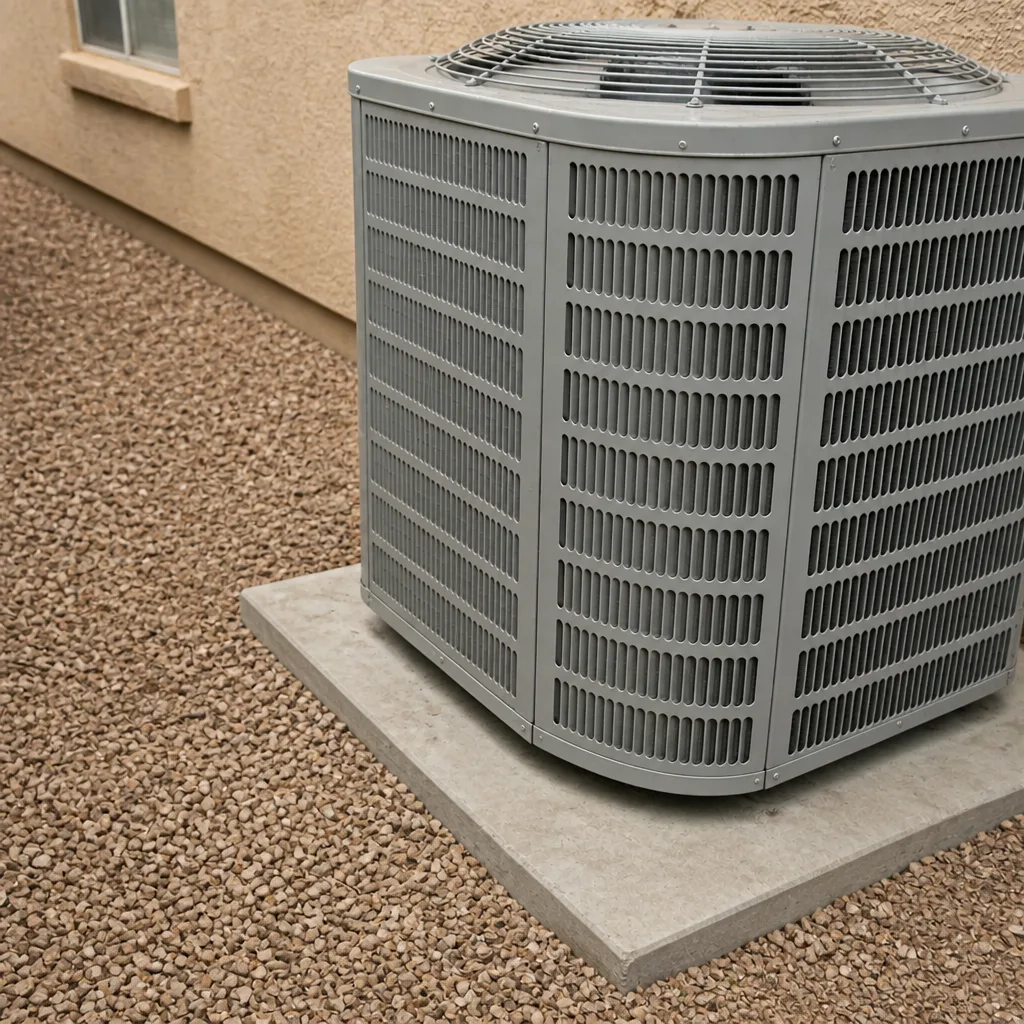
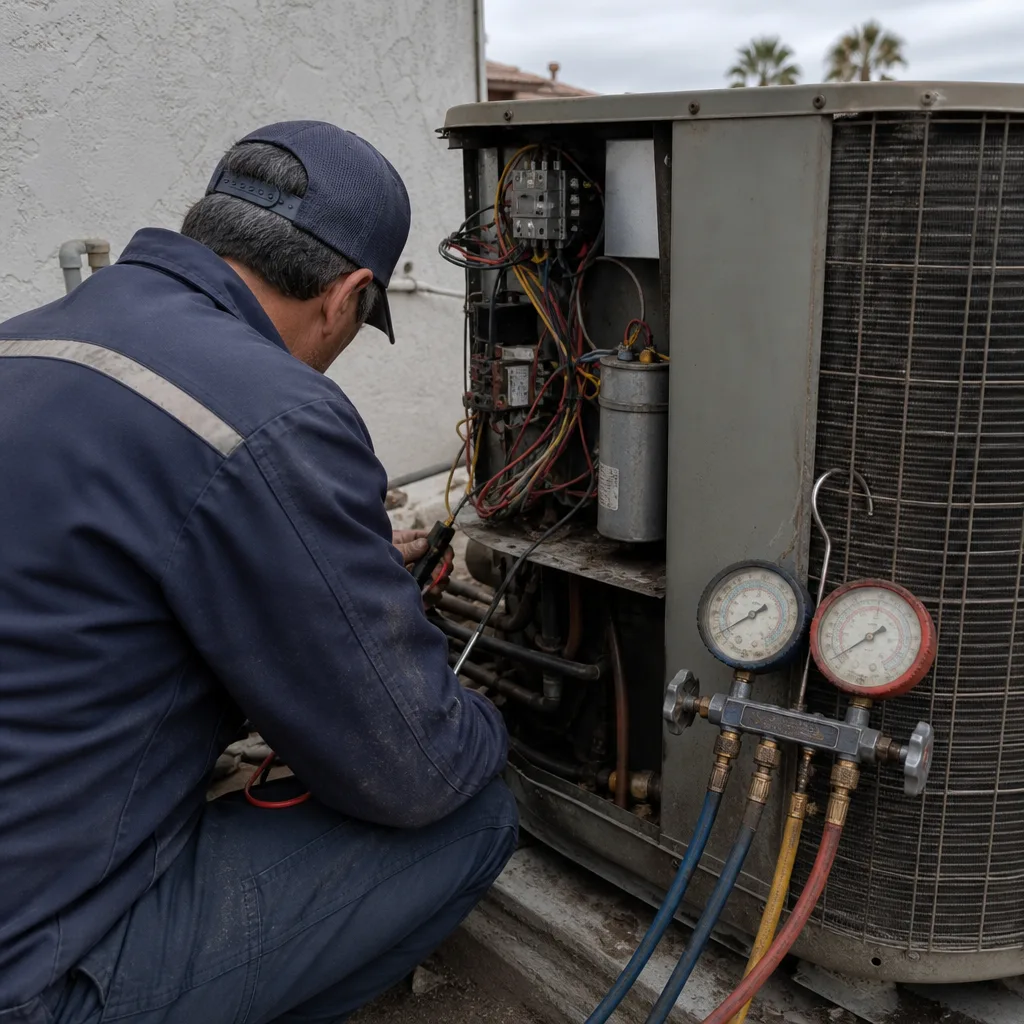
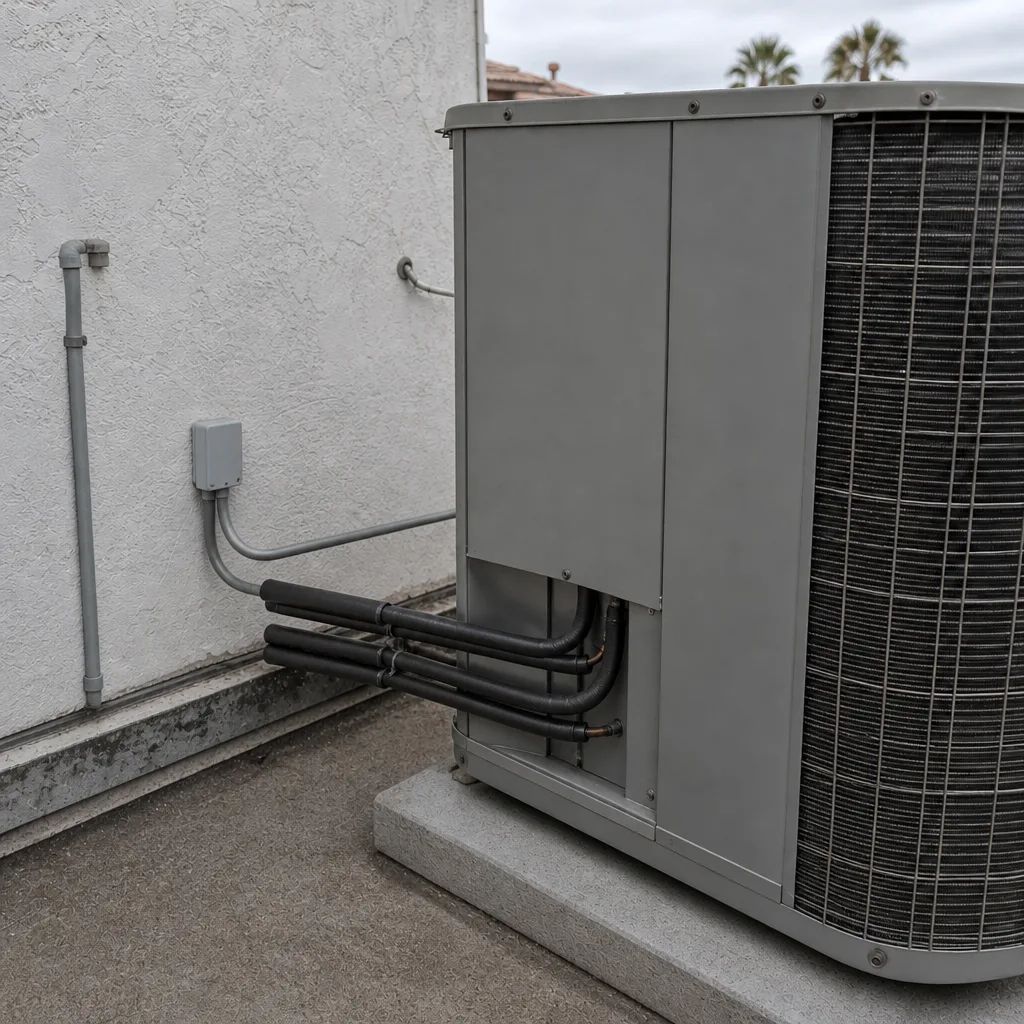
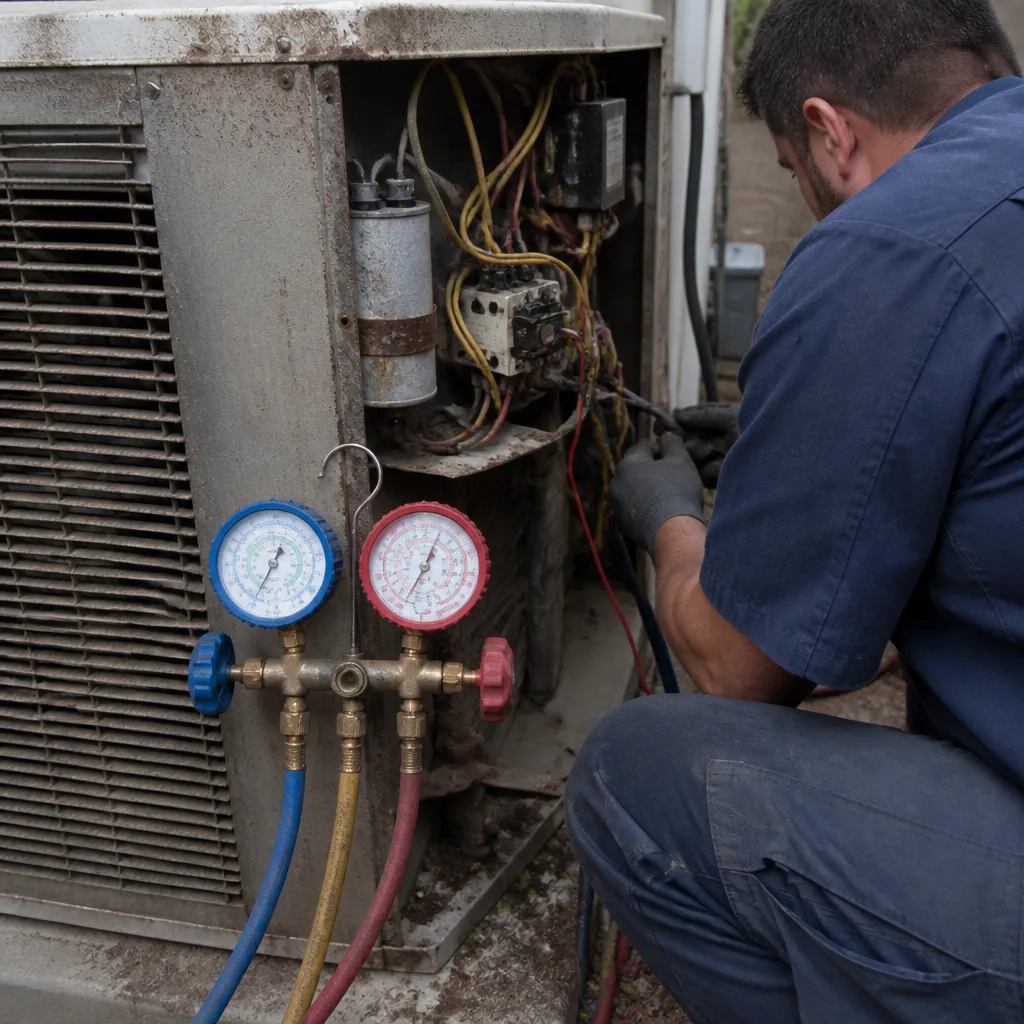
See the difference
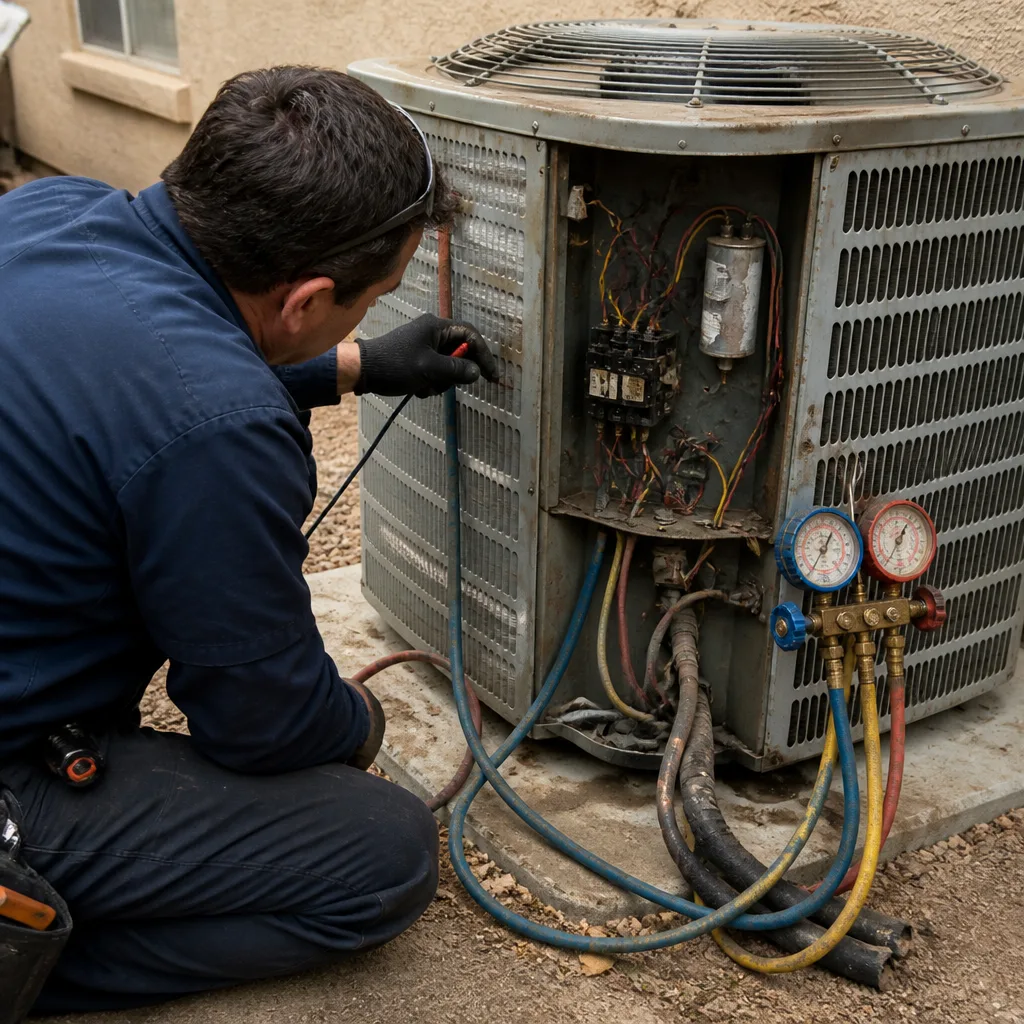 Before
 After
 Before
 After
 Before
 After
When to Call a Professional
Call a professional when any single “call today” sound is present, when the setpoint gap exceeds 3°F on routine summer afternoons, when ice is on the coil or refrigerant lines, or when two or more checkup-tier signs are showing at once. Don’t wait for the system to fail. If you’re already seeing a spring pattern of continuous runtime past 10 p.m. or short-cycling, book a diagnostic now. AC Repair Paradise offers free estimates in Paradise – call (844) 820-2853. We answer 24/7. Fast dispatch from 7am to 7pm, Sunday through Friday. We work on AC Repair Paradise service calls for every major brand and can give you an honest repair-or-replace assessment in one visit, backed by our technicians’ up to 9 years of experience.
Frequently Asked Questions
A system still running past 10 p.m. on a spring evening. In our experience, that’s the clearest early signal of a system that will not survive July. It points to low refrigerant, restricted airflow, or a failing compressor, all of which worsen as summer load arrives. Book a diagnostic before June; wait until July and you’re competing for appointments. Call (844) 820-2853 for an exact quote – estimates are free.
A small gap on the hottest afternoons is normal for older equipment; a gap of 3°F or more that persists for two hours or appears in June but not April is not. It’s usually a refrigerant charge or airflow problem, not a thermostat fault. Don’t replace the thermostat without a diagnostic first. Call (844) 820-2853 to book a look.
We answer 24/7. Fast dispatch from 7am to 7pm, Sunday through Friday. If you’re seeing grinding from the outdoor unit, hearing persistent hissing, or the system is running and blowing warm air, call (844) 820-2853 now and we’ll get you on the schedule. A call outside dispatch hours is booked into the next opening, Sunday through Friday, 7am to 7pm.
Ice on an indoor coil or refrigerant line in a dry climate is almost always a sign of low refrigerant or restricted airflow driving the coil below freezing. The low humidity makes the frost thinner, so it’s easy to miss until it becomes a full shutdown. Turn the system off and let it thaw before restarting, and call (844) 820-2853 for a diagnosis. York, Daikin, Bryant, and American Standard systems are all routine for us.
That depends on system age, refrigerant type, and what the diagnostic actually finds. A failed capacitor on a system in otherwise good condition is a repair. A compressor failure on a system already showing efficiency loss and low refrigerant is usually a replacement conversation. We handle both, so the recommendation doesn’t depend on which side of the business we’d rather sell. Call (844) 820-2853 for a free estimate on either path.
Cost depends on the size of your home, the SEER rating you choose, and whether ductwork needs changes. There’s no honest number without a load calculation and a look at the ducting, and that’s why estimates are free and written per job. We work with Carrier, Trane, Lennox, Goodman, Rheem, York, Daikin, Bryant, and American Standard, so the recommendation can be driven by your budget rather than by a single brand’s inventory. Call (844) 820-2853.
The Bottom Line
The warning signs that save Paradise homeowners money aren’t the obvious ones. They’re the spring runtime pattern, the setpoint gap that appears in June, the April power bill jump, the ice you spot before it collapses into a shutdown, and the noise you caught while it was still a checkup and not a replacement conversation. One warning sign is worth a call. Two or more is worth booking immediately. Get the system looked at before June, and you’re making a decision on your schedule. Wait until July, and you’re making it on the failure’s schedule. We service nine major HVAC brands and would rather give you an honest diagnostic in April than a rushed replacement in August.
Call (844) 820-2853 for a free estimate. We answer 24/7. Fast dispatch from 7am to 7pm, Sunday through Friday.
Written by the team at AC Repair Paradise.