
Last updated November 16, 2026
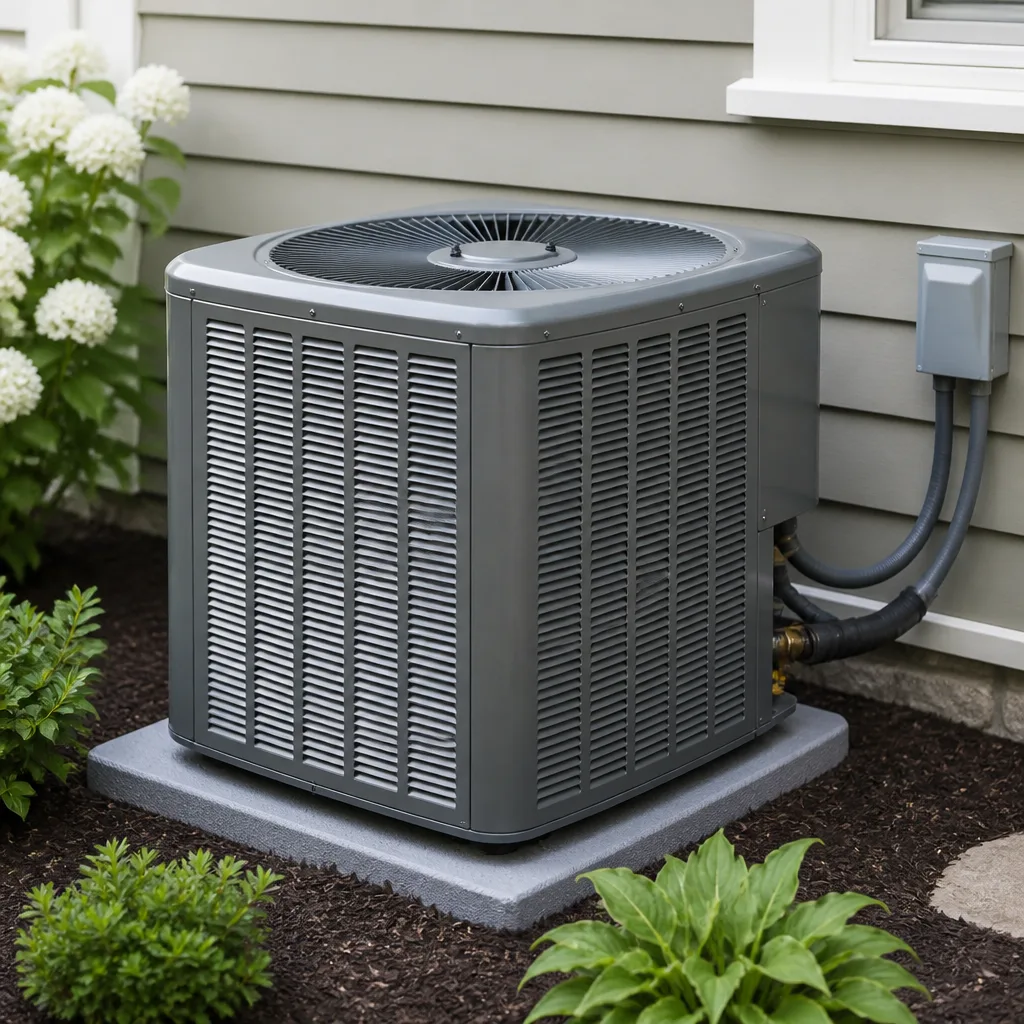 AC repair
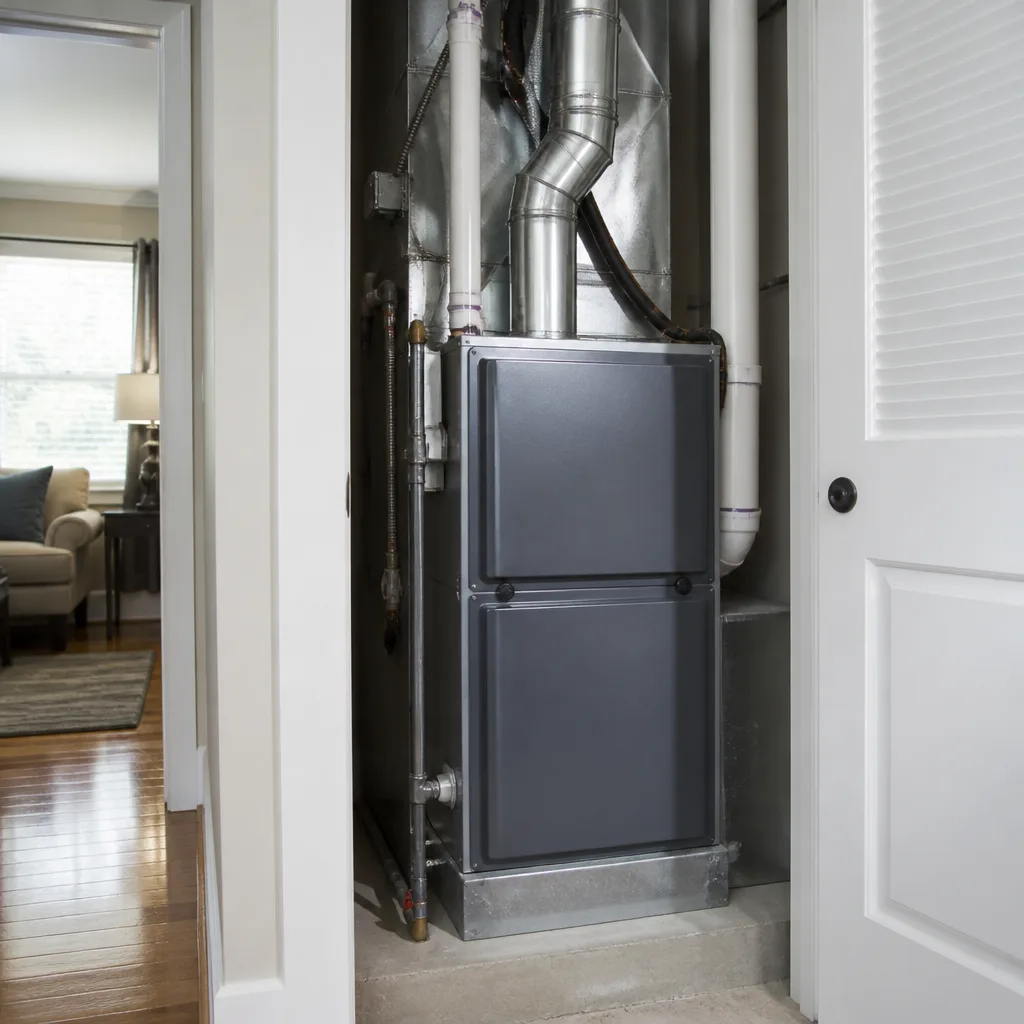 Furnace & heating
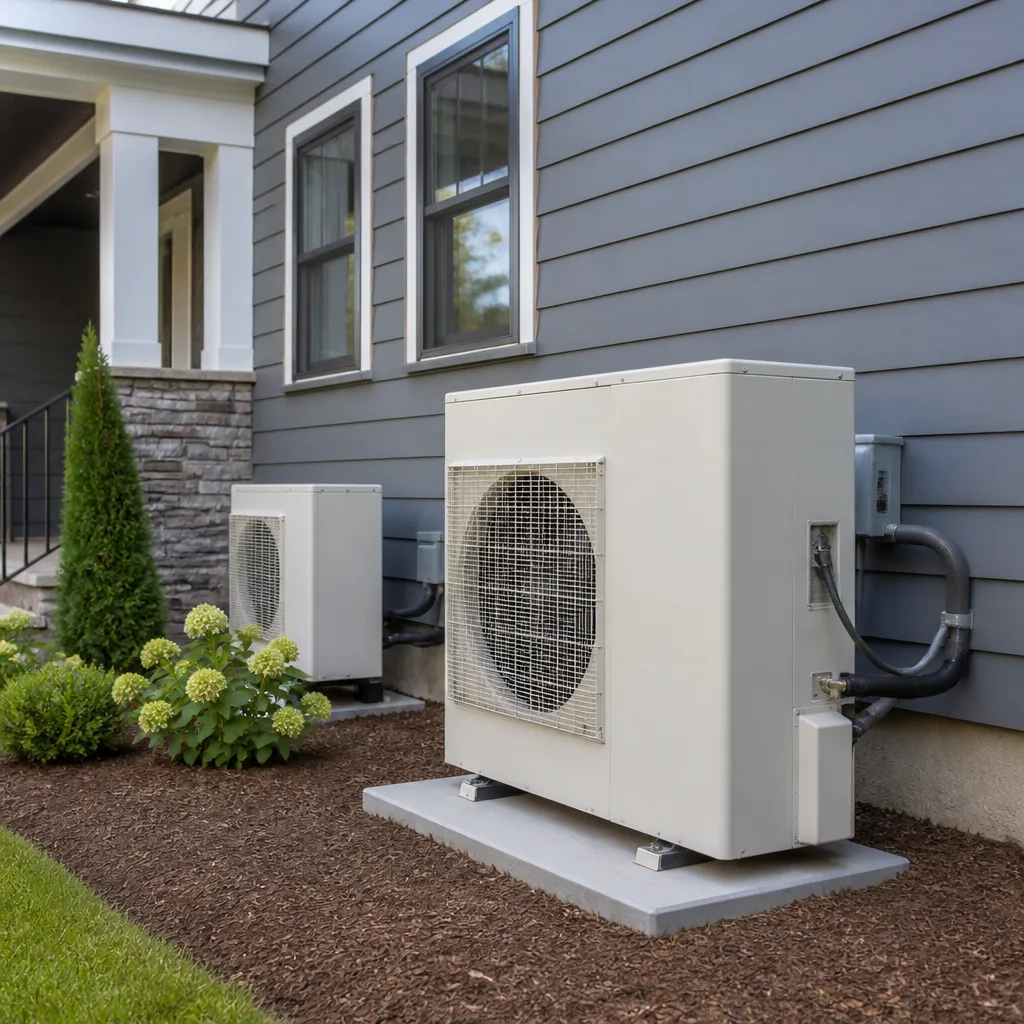 Heat pumps
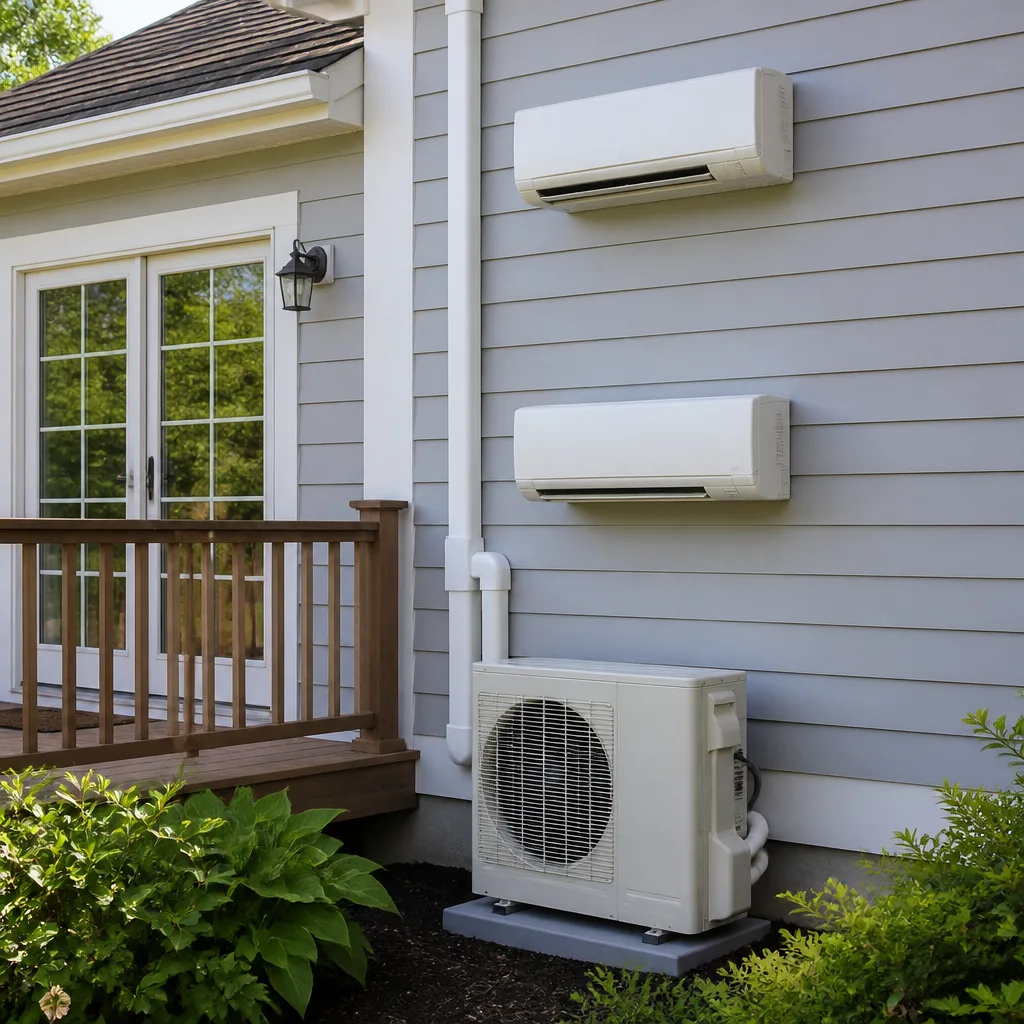 Ductless mini splits
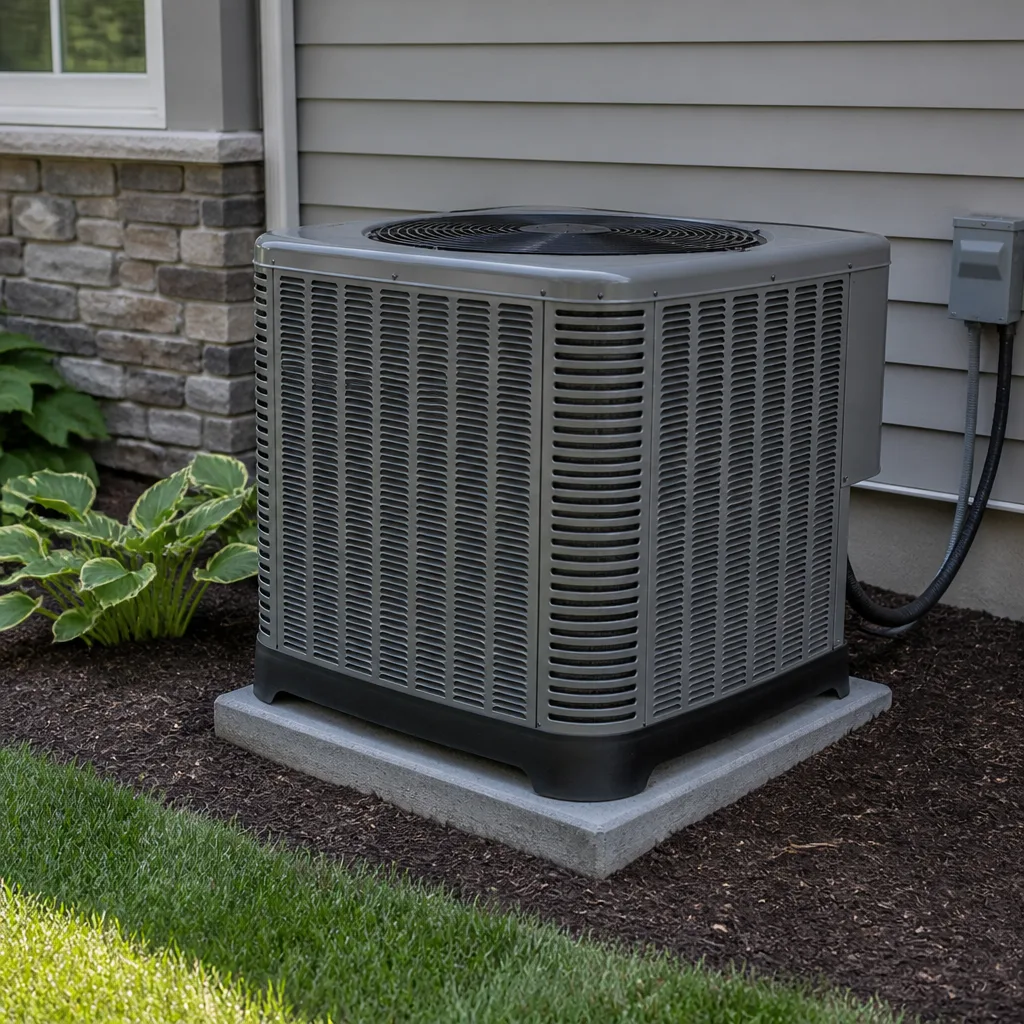 Carrier
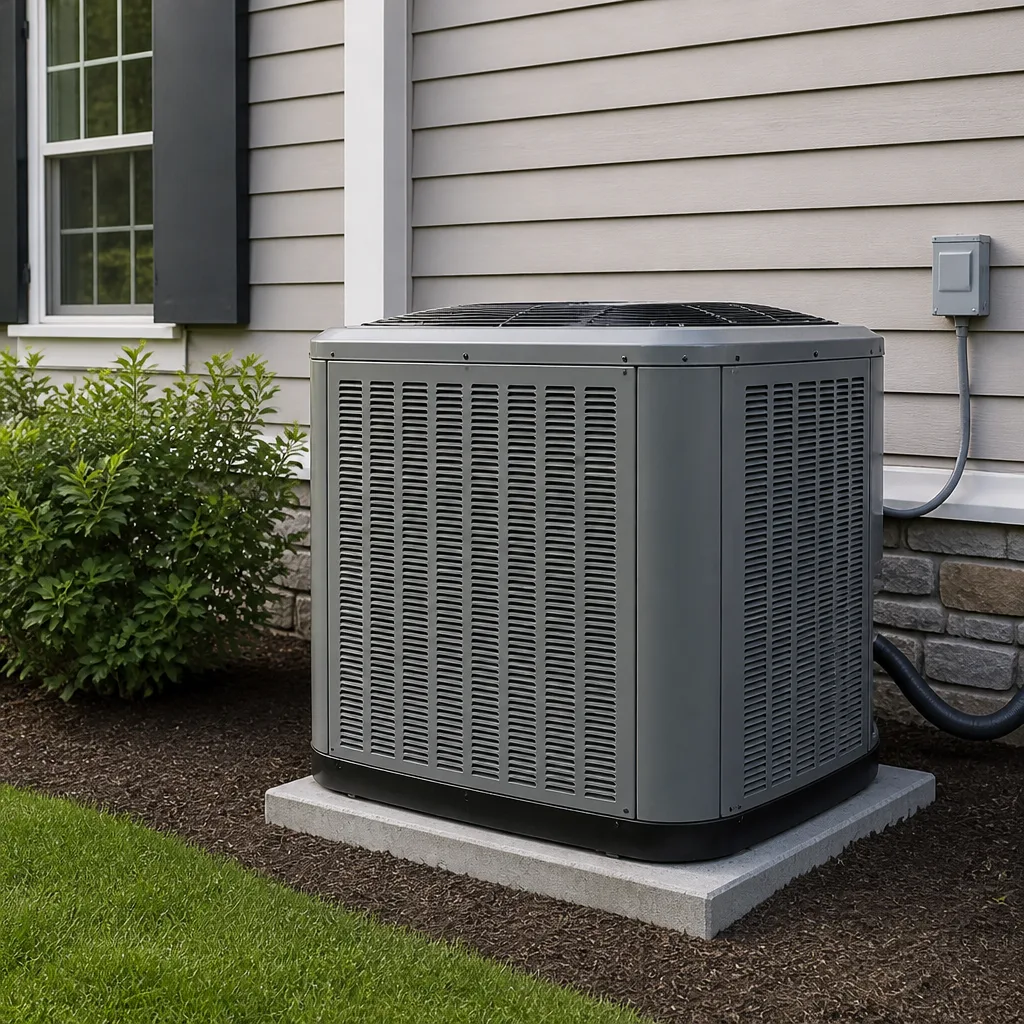 Trane
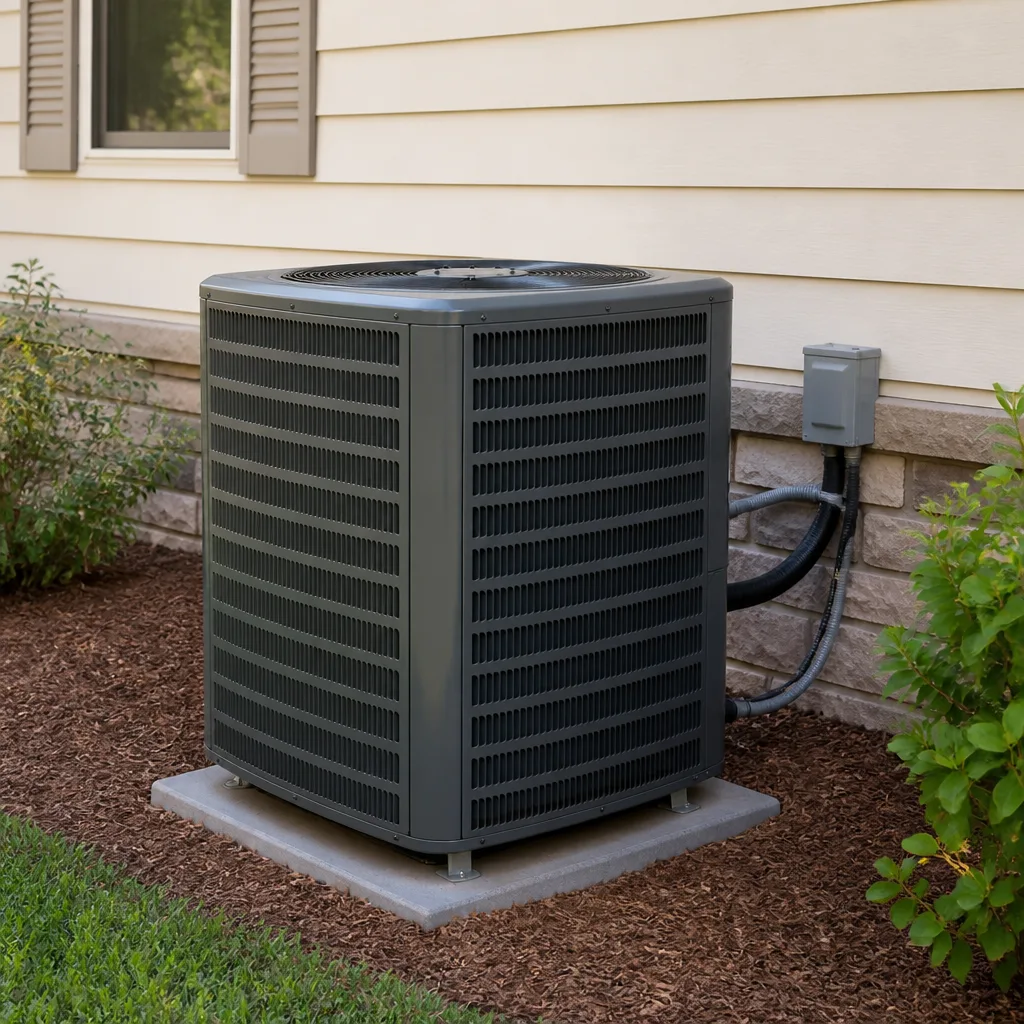 Goodman
Seasonal tune-up and full diagnostic on your Carrier, Trane, or Goodman system - readings shown to you before any repair is proposed
Diagnosis first, numbers second - you approve the repair price before a single part goes in.
Get your free estimateAC Installation Maintenance Checklist for Paradise Homeowners
A new AC unit installed in June and not properly commissioned before July’s first heat wave will log more compressor stress hours in one summer than a properly set-up unit logs in three, and no warranty covers that. Most post-installation checklists floating around online were written for mild climates where a system coasts through summer. Paradise is not that climate. This guide covers the first 36 months of a new system in Paradise, when the setup decisions and early habits determine whether you get the full rated life out of the equipment or come up two to four years short. You’ll find what to verify on day one, what to check month by month, and what to document.
Quick Answer
A proper AC installation maintenance checklist for a Paradise home means three things: verifying commissioning data on install day (refrigerant charge, static pressure, airflow, blower speed set for desert heat), protecting the outdoor condenser through dust season, and inspecting filters and the indoor coil on a 12-month cycle so year two is a maintenance year rather than a repair year. Without baseline readings on day one, every future diagnosis is guesswork.
Styles & brands we work with
- AC repair
- Furnace & heating
- Heat pumps
- Ductless mini splits
- Carrier
- Trane
- Goodman
Table of Contents
- Why Paradise Systems Need Their Own Checklist
- The Commissioning Checklist Installers Skip
- What to Document on Day One
- Blower Speed and Dry-Heat Settings
- Month-by-Month: The First Year in Paradise
- The 12-Month Filter and Coil Inspection
- Months 13 Through 36: Protecting the Investment
- What You Can Check Yourself vs. What Needs a Technician
Why Paradise Systems Need Their Own Checklist
Paradise sits in the Mojave desert, which means a newly installed AC here faces a workload that generic checklists don’t account for. Three forces shape the first years of any system around Paradise:
- Extreme cooling demand. Cooling season runs long and hot. A system in Paradise runs far more annual hours than national averages assume, which compresses the time between maintenance intervals.
- Dust season. Spring winds carry fine desert dust that loads outdoor coils and clogs filters faster than in wetter climates. A filter that lasts three months in a temperate city may need attention here much sooner.
- Monsoon window. The summer monsoon brings humidity spikes into an otherwise dry climate, which changes how the system handles moisture and condensate drainage.
The result is that the first 36 months after AC installation are not a quiet settling-in period. They’re the years that determine whether the system delivers its rated lifespan. Factory settings made for average climates, filters neglected through dust season, and a missing day-one baseline are the three factors we see most often when a Paradise system starts failing early.
The Commissioning Checklist Installers Skip
Commissioning is the process of confirming a newly installed system actually performs to spec, not just that it turns on and blows cold air. An installer can skip most of it without the homeowner knowing, and the gap shows up years later. A short-started system that was permitted to run with the wrong charge from day one often fails the compressor in a few summers, and manufacturers can point to missing commissioning records when denying a warranty claim.
Here’s the commissioning checklist we consider mandatory on any new install:
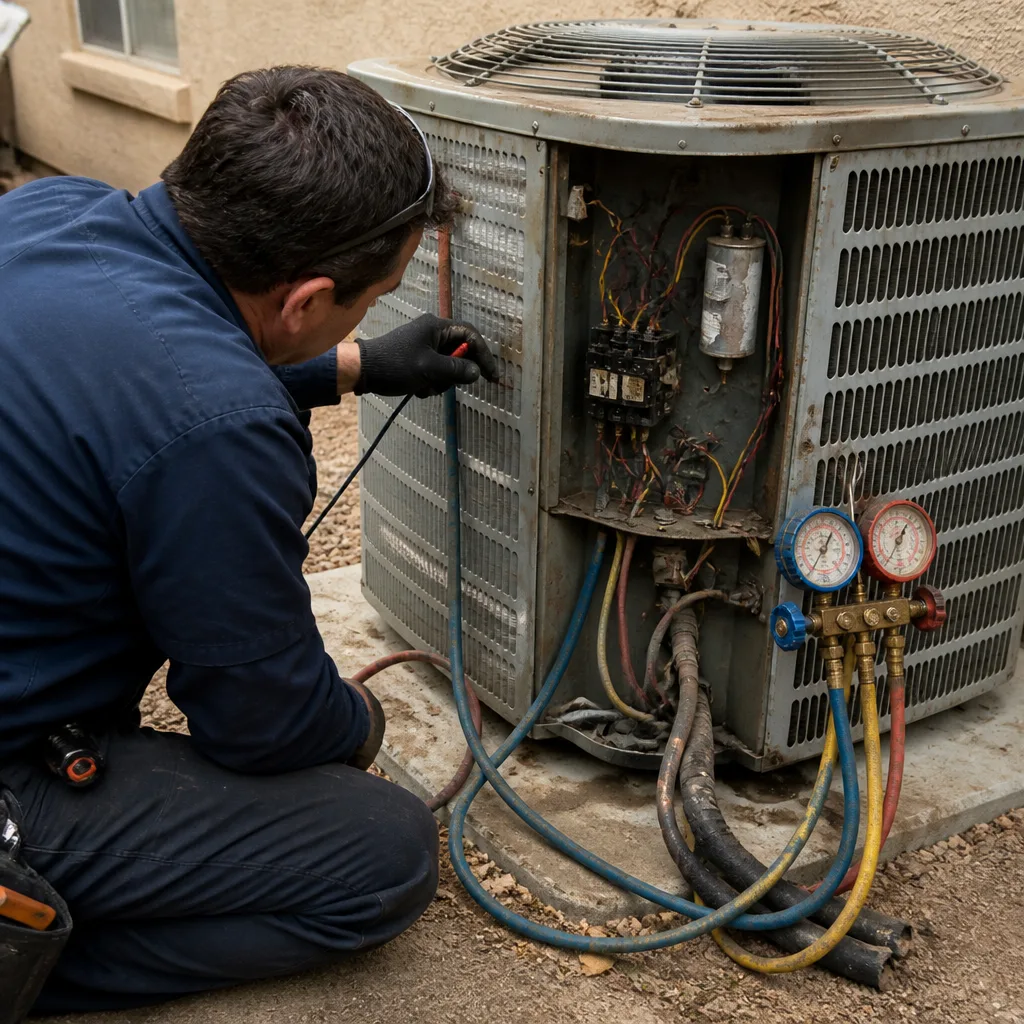
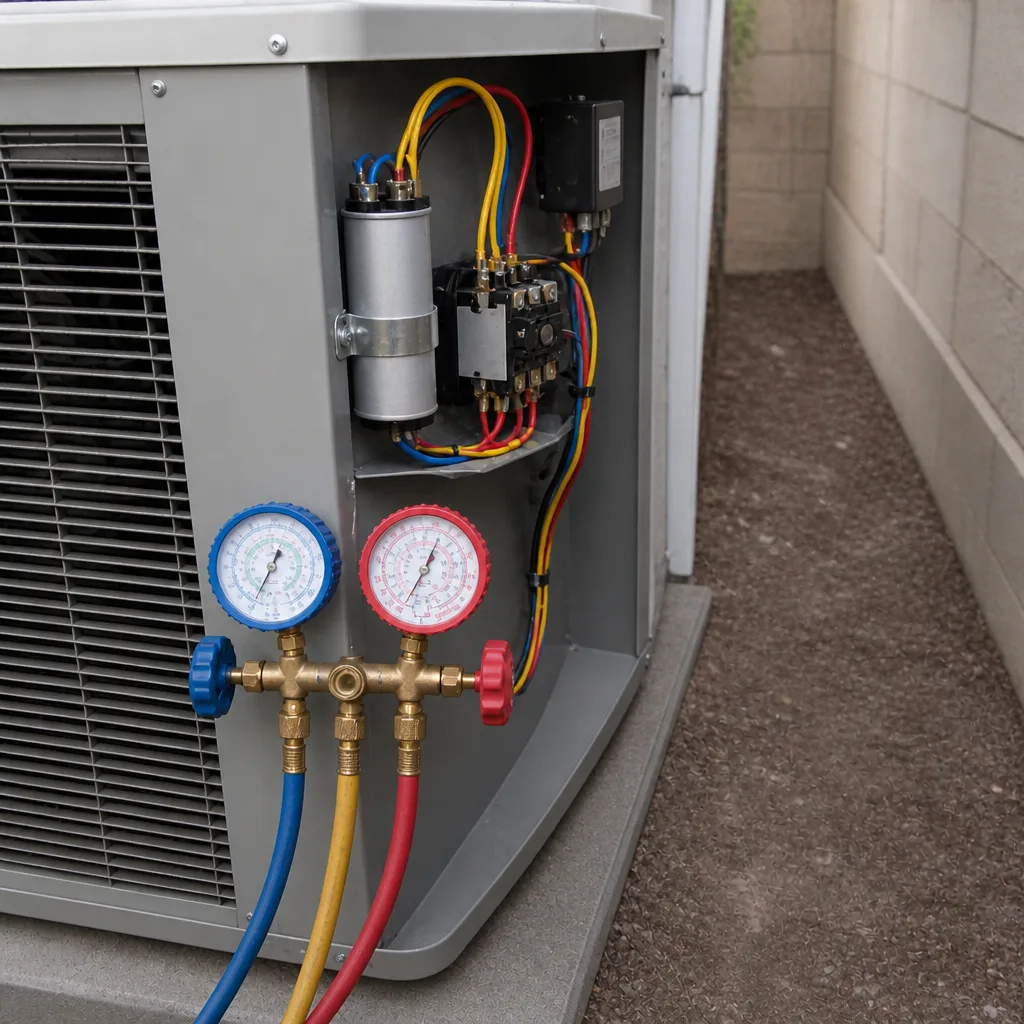
- Refrigerant charge verified by superheat or subcooling, not by guess or by “feel.” The exact target depends on the system, but the number should be recorded.
- Static pressure measured at the return and supply. If the ductwork is undersized for the air handler, static pressure will be high and airflow low, which shortens compressor life.
- Airflow confirmed to the manufacturer’s cubic-feet-per-minute target at the measured static pressure. High static plus low airflow is the most common factory-default shortcut we find.
- Blower speed set correctly (see the blower-speed section below). Factory defaults don’t fit every climate.
- Condensate drain tested through a full cooling cycle, with the trap verified and the float switch checked.
- Electrical readings recorded: amp draw at the compressor and blower, voltage at the disconnect.
- Thermostat configured for the correct staging, fan behavior, and any lockout periods the equipment supports.
- Filter size and MERV rating documented, so the homeowner knows what to buy on replacement day.
If you’re not sure what your installer recorded, the safe answer is a full evaluation. We work on equipment from Goodman, Rheem, York, and others, and we can compare a new install against spec when something feels off.
What to Document on Day One
Every future diagnostic on a system depends on a baseline. Without one, a technician has to guess whether a reading is normal for your home or a sign of failure. The single most valuable document you’ll keep for the life of your system is a commissioning report with the actual numbers written down.
Request and file the following on install day, alongside the equipment model and serial numbers:
- Refrigerant charge reading (superheat or subcooling, plus the ambient and indoor conditions at the time of measurement).
- Static pressure at return and supply ducts, in inches of water column.
- Airflow in CFM as measured at the air handler.
- Blower speed tap the technician selected and why.
- Temperature split: return-air temperature vs. supply-air temperature at the registers, both recorded on the same measurement.
- Compressor amp draw at startup and running.
- Filter size and MERV rating, written on a sticker inside the air handler door if possible.
- Thermostat configuration notes including any staging locks.
Keep this report with the equipment manual and the warranty papers. When a repair call arises later, a technician who can compare current readings against your original commissioning report can often identify the cause in one visit rather than two. For broader context on how the AC lifecycle works, see our guide to AC Repair Paradise.
Blower Speed and Dry-Heat Settings
Blower speed is the single most-overlooked setting on a new AC in Paradise. It controls how many cubic feet of air move across the evaporator coil per minute, and if it’s wrong, the consequences pile up: refrigerant doesn’t absorb heat efficiently, the coil can freeze in the shoulder seasons, and summer cooling becomes uneven from room to room.
What’s tricky is that factory blower-speed defaults are set for average conditions, not for a house in Paradise running its system through triple-digit heat in July. An installer who never adjusts the tap is delivering a system that will underperform relative to its rating. The visible effects and the correct settings depend on the equipment and the duct system, but three things should be true:
- Airflow targets the manufacturer’s spec at measured static pressure (check this against the commissioning report).
- During the monsoon window, airflow should be adequate but not so high that the coil can’t remove moisture. Since Paradise humidity spikes in summer, the balance matters for a handful of weeks more than dry-climate tuning alone would suggest.
- In low-load shoulder months, some systems benefit from a reduced blower speed to prevent short cycling – but only when the equipment supports it and the ductwork tolerates it.
If you don’t know what speed tap your installer selected, that’s worth a call. We’ve seen factory-default blower settings on high-end equipment from Carrier, Trane, and Lennox that leave performance on the table in Paradise’s heat. Our technicians have up to 9 years of experience matching system behavior to real-world load.
Month-by-Month: The First Year in Paradise
The first year after installation sets the trajectory. Here’s what we recommend checking across the calendar, aligned to Paradise’s climate pattern:
- Month 1 (any season): Confirm the commissioning report against what you were promised. If anything is missing, request it in writing.
- Late spring (before dust season peaks): Change or clean the filter. Inspect the outdoor condenser for dust buildup from winter winds.
- Early summer (before the first heat wave): Do a test cool to confirm the system reaches setpoint in a reasonable time. Note any rooms that struggle.
- Mid-summer (during the heat wave): Watch for unusual noise, ice on the indoor coil, or the system running continuously without reaching setpoint. Any of these mean a technician visit.
- Monsoon window: Confirm the condensate drain is flowing freely. Humidity stresses the drain path more than dry summer heat does.
- Late summer: Check the outdoor unit for dust and debris again – a second cleaning mid-season is worth it in Paradise.
- Fall: Schedule the first professional inspection. This is the one that catches early issues before year two.
- Winter: If the system has a heat pump mode or shares an air handler with gas heat, verify changeover. See furnace repair for the heating-side equivalent if your system includes a furnace.
The 12-Month Filter and Coil Inspection
The 12-month filter and coil inspection is the decision point for year two. If the coil is clean and the filter schedule is holding, year two is a maintenance year. If the coil is dusty or the filter is chronically oversaturated, year two is a repair year, and the fault traces back to the first-year routine.
Here’s what a proper 12-month inspection covers:
- Pick the filter apart visually. Is it loaded with dust throughout, or in one corner? Uneven loading suggests a duct or return-location issue.
- Shine a light at the indoor coil through the evaporator access panel. A dusty or matte-powder coating on the coil fins means airflow has been carrying dust onto it, typically because the filter wasn’t catching enough.
- Check the outdoor coil for dust or dirt wedged between the fins. A pressure rinse done carefully is fine; a hard jet bends fins and does more harm than good.
- Measure static pressure and temperature split and compare to the commissioning report. Any drift means something has changed.
- Test the condensate drain through one full cooling cycle. Slow drains or clogs around the trap are common here.
In Paradise, we recommend this inspection land in late spring or early fall, before the two hardest stretches of the year. A coil that’s caught early is a cleaning. A coil that’s been dust-loaded for a year is potentially a compressor replacement down the road.
Months 13 Through 36: Protecting the Investment
Years two and three are when the system settles into its long-term behavior. The AC installation has been paid for, the warranty clock is running, and the maintenance questions shift from “did the installer do it right?” to “are we maintaining it right?”
Here’s the checklist we recommend for this stretch:
- Professional cooling inspection every spring, timed before the first heat wave, with readings compared to your day-one baseline.
- Filter changes on a Paradise-adjusted schedule – not the “every three months” default on the filter package, but timed to dust season. Many Paradise homes need filters more often from March through June.
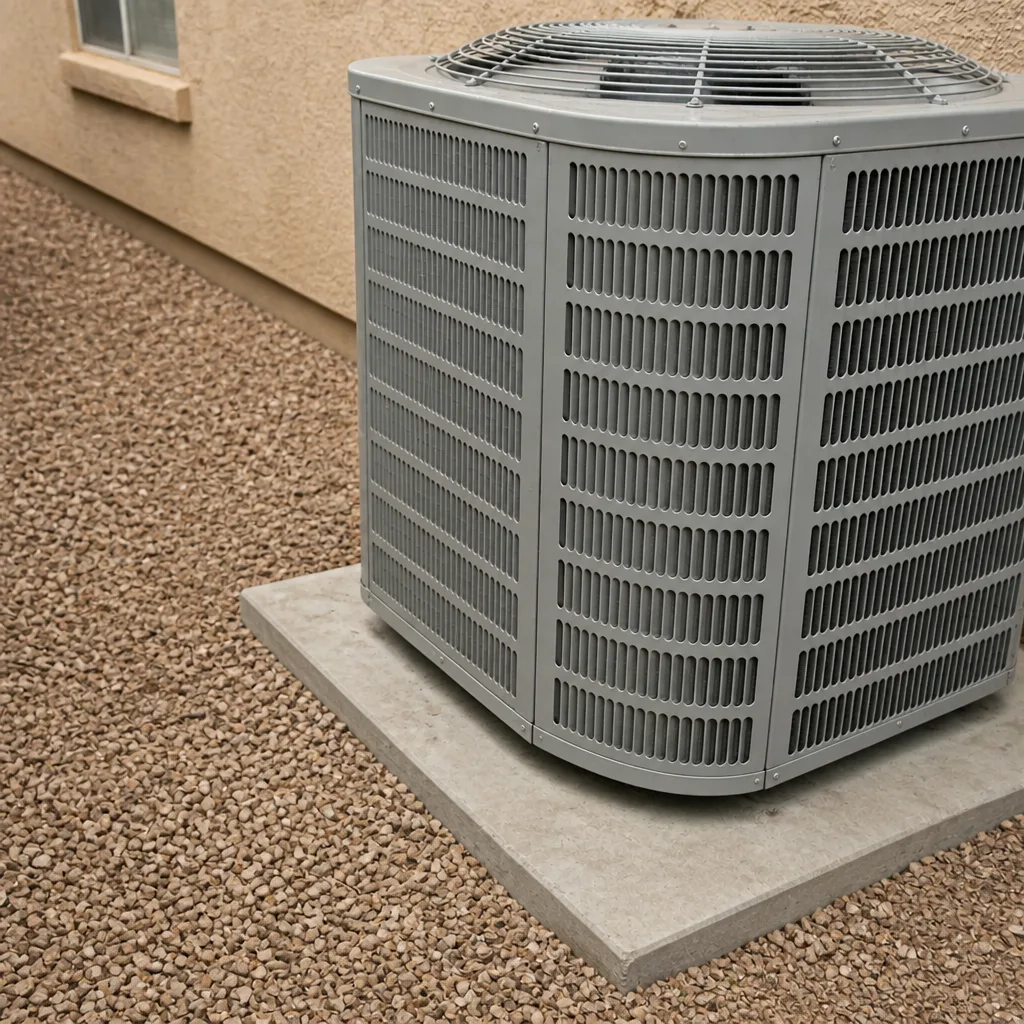
- Outdoor coil clean at least once per year, ideally twice, especially if your condenser sits near a dirt lot, a gravel border, or a busy street.
- Condensate drain flush before monsoon season. Clogged drains during monsoon humidity are one of the more preventable service calls we see in Paradise.
- Blower wheel and indoor coil inspection at 24 months, not just 12.
- Document every professional visit and file the readings with your day-one report. A three-year diagnostic history is invaluable if warranty questions arise.
If the equipment starts short cycling, running longer than usual, or making noise it didn’t make in year one, don’t wait for the spring inspection. Small symptoms during months 13 to 36 often trace back to something simple that a technician can fix at low cost. Our team works on nine major brands including Daikin, Bryant, and American Standard, and we can look at any of them without a referral to a brand-specific dealer.
What You Can Check Yourself vs. What Needs a Technician
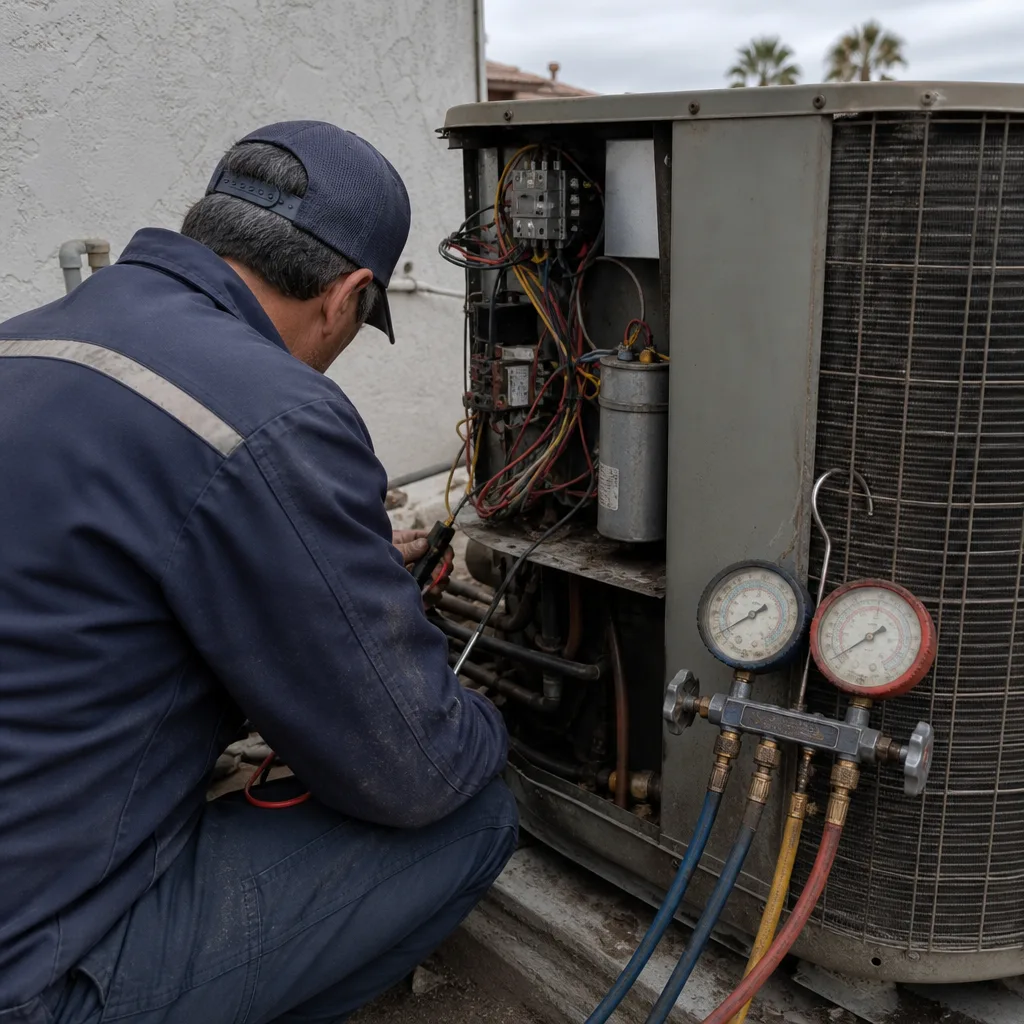
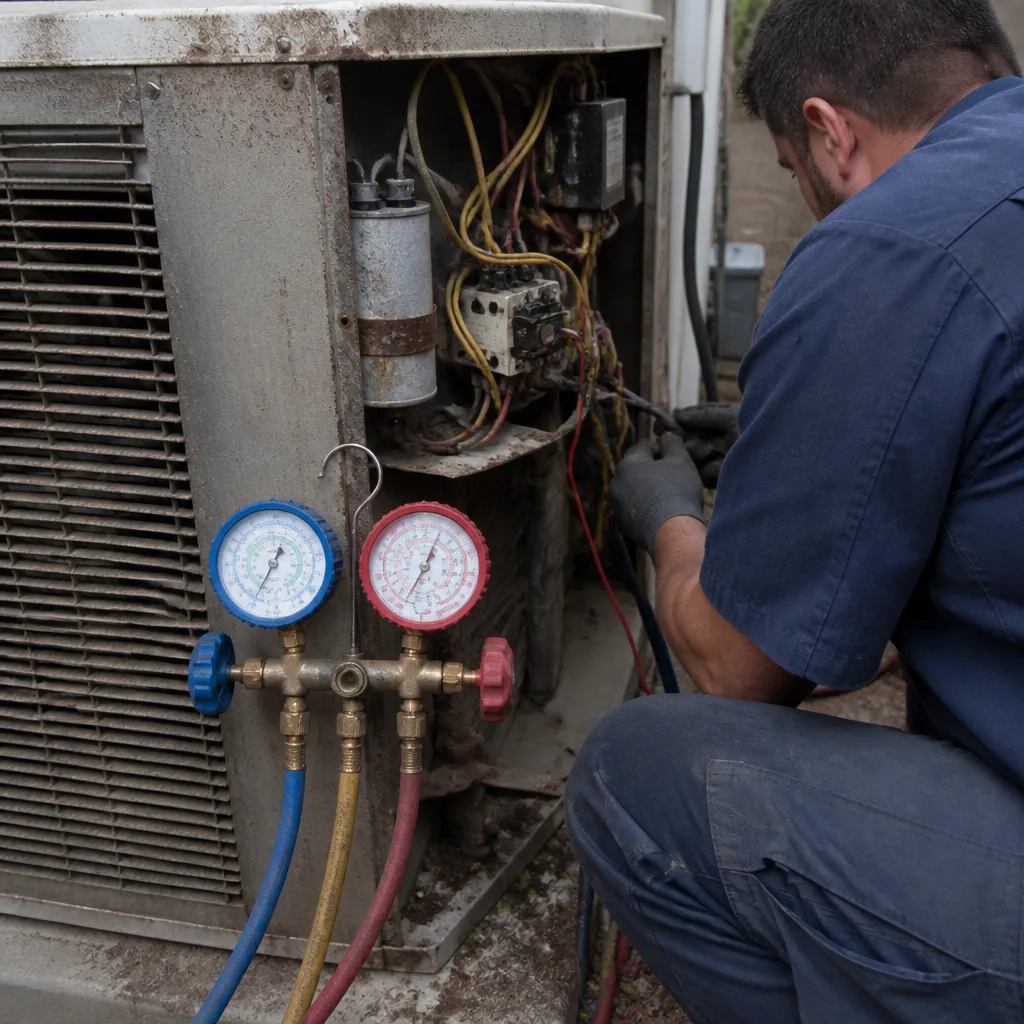
Not every checklist item requires a professional. Homeowners can and should handle the low-risk items – filter changes, visual inspection of the outdoor unit, and monitoring for symptoms. The high-risk items involve refrigerant, electrical, and gas components, and those need a trained technician. Working with refrigerant lines, compressor electricals, or gas-fired components without training is dangerous, and it can void a manufacturer’s warranty.
Here’s the split:
- Homeowner-doable: filter changes, clearing debris around the outdoor condenser, visual coil inspection for dust, watching for symptoms, keeping the day-one report safe.
- Technician-only: refrigerant charge measurement, static pressure measurement, blower speed adjustment, any electrical work on the compressor or air handler, condensate trap repair, gas-side checks on shared furnace systems.
If you’re considering a Paradise service call to confirm your system is commissioned correctly, we can check the same items we’d check on a new install. Free estimates, no upsell.
Common Mistakes to Avoid
- Skipping the commissioning report. Without day-one refrigerant, static pressure, and airflow readings, every future diagnostic is guesswork. Always request the actual numbers, not just “system looks good.”
- Running the factory-default blower speed. Defaults are set for average conditions, not desert heat. In Paradise, that can mean the system never runs to spec by year two.
- Changing the filter on a national schedule. Paradise’s dust season loads filters faster than temperate climates. Check monthly during spring winds.
- Ignoring the outdoor condenser through dust season. A dust-loaded coil pushes the compressor harder, and compressor failures are the most expensive repairs to face.
- Unclogged condensate drains going into monsoon season. Humidity stresses the drain path more than dry heat does. A simple flush before summer prevents the worst of it.
- Skipping the 12-month professional inspection because everything “seems fine.” The 12-month inspection is when a dusty coil is caught as cleaning rather than as a compressor replacement.
- Calling a brand-specific dealer when a general technician can handle the system. Any of the nine major brands we work on doesn’t require a specialty contractor for routine maintenance or most repairs.
See the difference
 Before
 After
 Before
 After
 Before
 After
When to Call a Professional
Some checklist items need a technician, and a few symptoms mean calling sooner rather than later. Call us if the system isn’t reaching setpoint during a heat wave, if you see ice forming on the indoor coil, if the outdoor unit keeps tripping the breaker, if the condensate drain is backing up or overflowing, or if the system starts running continuously without cycling. Those are the symptoms where waiting for a scheduled maintenance visit usually costs more than calling.
You’ll also want a professional check if you’re buying a home with a recently installed system and don’t have the commissioning report, or if you’ve moved into a Paradise home and don’t know how the previous owner maintained it. We answer 24/7. Fast dispatch from 7am to 7pm. AC Repair Paradise offers free estimates in Paradise. Call (844) 820-2853.
Frequently Asked Questions
In Paradise, plan on checking the filter monthly during dust season (roughly spring through early summer) and changing it whenever it looks loaded – often more frequently than the three-month default on most filter packaging. Outside dust season, a three-month cycle is a reasonable starting point, but actual frequency depends on the home’s dust exposure and the household’s pets or occupants. Call (844) 820-2853 for an exact filter recommendation based on your system.
Commissioning is the process of confirming a newly installed system actually performs to the manufacturer’s spec, not just that it turns on. It includes measuring refrigerant charge, static pressure, airflow, blower speed, and electrical readings, and comparing them against spec. Skipping it can shorten compressor life significantly given Paradise’s long cooling season, and manufacturers may point to missing commissioning records when denying a warranty claim.
Yes, worth addressing. Without recorded refrigerant, static pressure, airflow, and blower-speed readings, no future technician can tell whether a system is running normally or has drifted from spec. We can measure the same items we’d measure on a fresh install and give you the baseline in writing. Call (844) 820-2853 – estimates are free, and this is one of the easiest long-term protections you can add to any new system in Paradise.
It often is, because factory defaults assume average cooling conditions, not the long, hard summer runs Paradise delivers. When blower speed isn’t matched to the actual duct system and the local climate, airflow can end up wrong, the coil can underperform, and the compressor works harder than it should. Having a technician confirm the setting against the commissioning report is worth doing once during the first year. Call (844) 820-2853 for an estimate.
Yes. The 12-month inspection is the decision point that determines whether year two is a maintenance year or a repair year. It catches a dusty indoor coil while it’s a cleaning, not a compressor replacement, and it confirms the day-one baseline is still holding. Skipping it is the single most common reason a Paradise system underperforms by year three. Call (844) 820-2853 to book the 12-month inspection.
Any qualified technician can service any of the nine major brands. We work on Carrier, Trane, Lennox, Goodman, Rheem, York, Daikin, Bryant, and American Standard, and the maintenance and diagnostic work is fundamentally the same across them. What matters more than brand is whether the technician is willing to compare readings against the commissioning report and give you a straight answer, not a push toward new equipment. Call (844) 820-2853 for a free estimate.
The Bottom Line
Paradise’s climate is hard on a new AC. The commissioning report you get on day one, the filter schedule you keep through dust season, and the 12-month filter and coil inspection are what determine whether a system reaches its rated life or falls a few years short. A properly commissioned system with a baseline on file is easier and cheaper to service for its whole lifespan, and the maintenance decisions in year two and year three go a long way toward protecting the install you already paid for. If any of those pieces are missing, we can help you get them in place.
Call (844) 820-2853 for a free estimate on your AC installation or maintenance visit in Paradise. We answer 24/7. Fast dispatch from 7am to 7pm, Sunday through Friday.
Written by the team at AC Repair Paradise.