
Last updated November 16, 2026
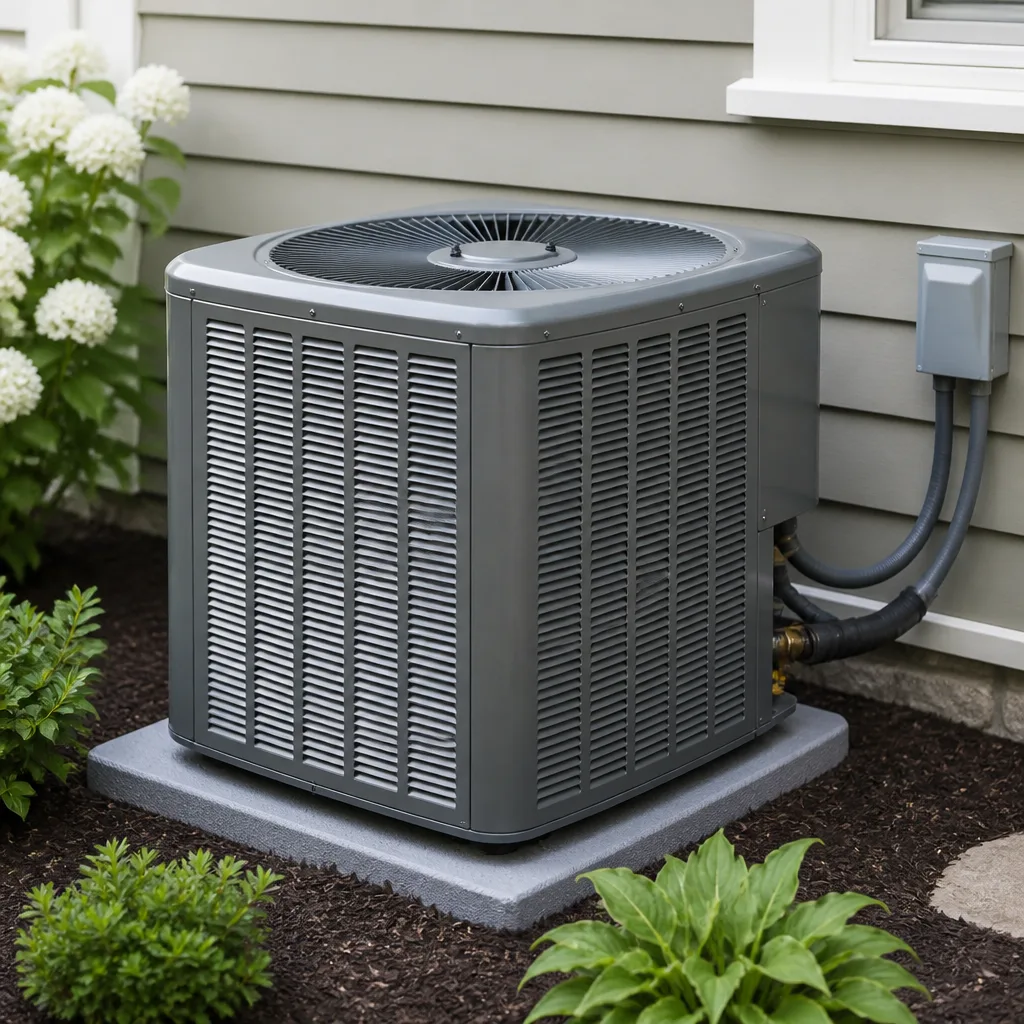 AC repair
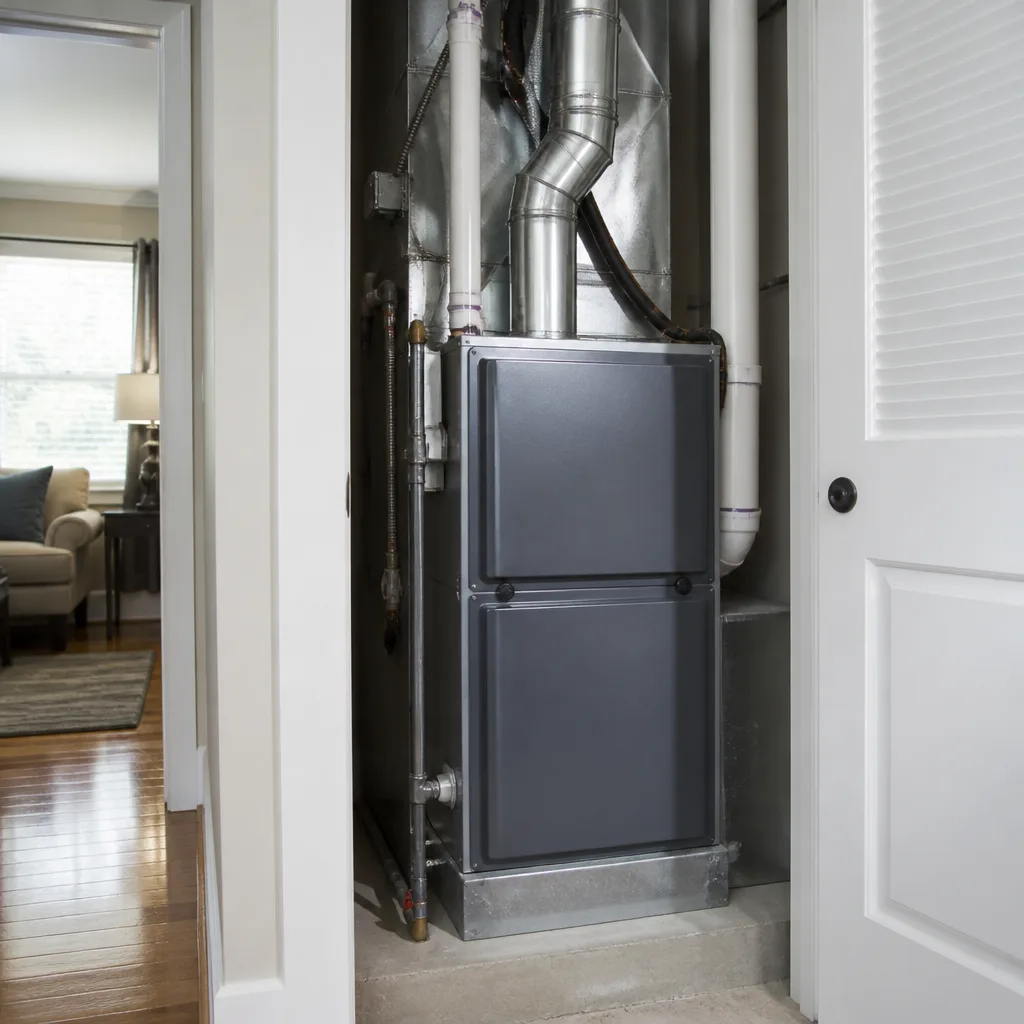 Furnace & heating
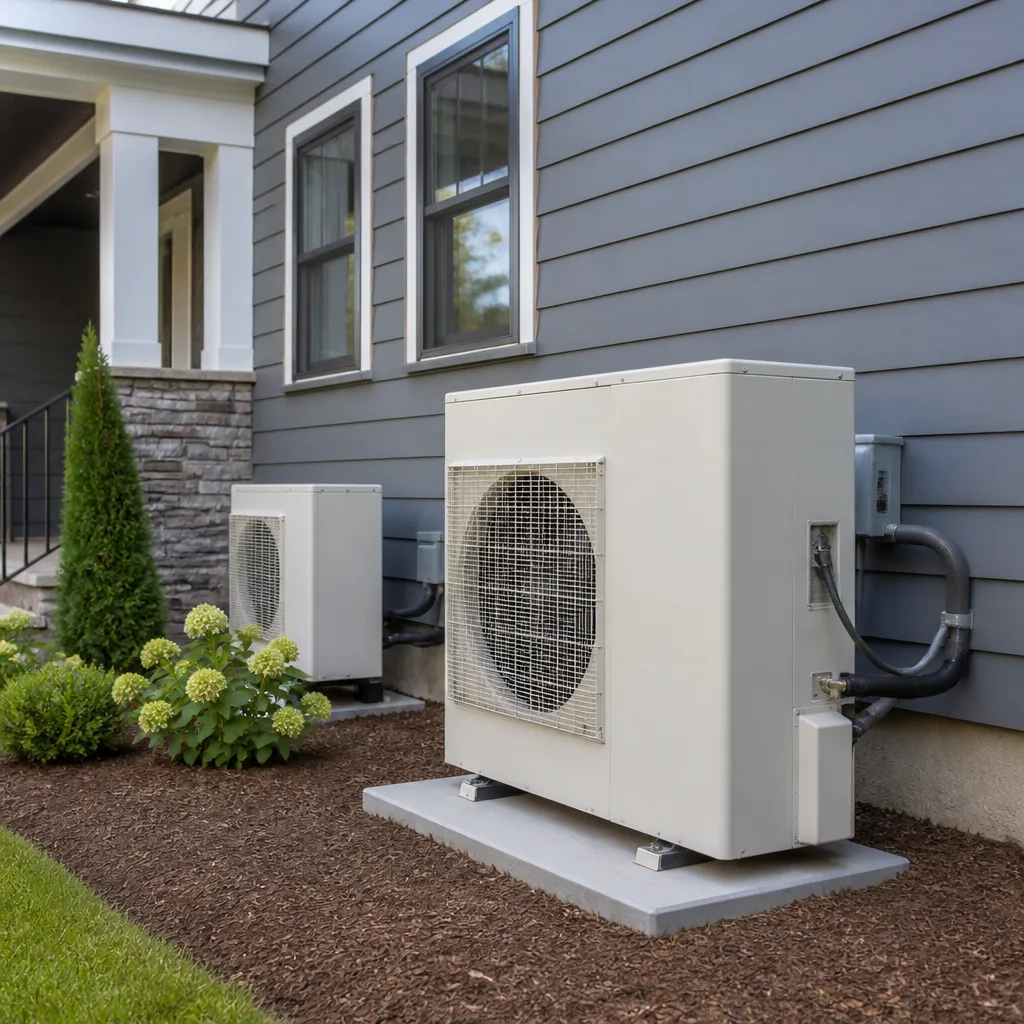 Heat pumps
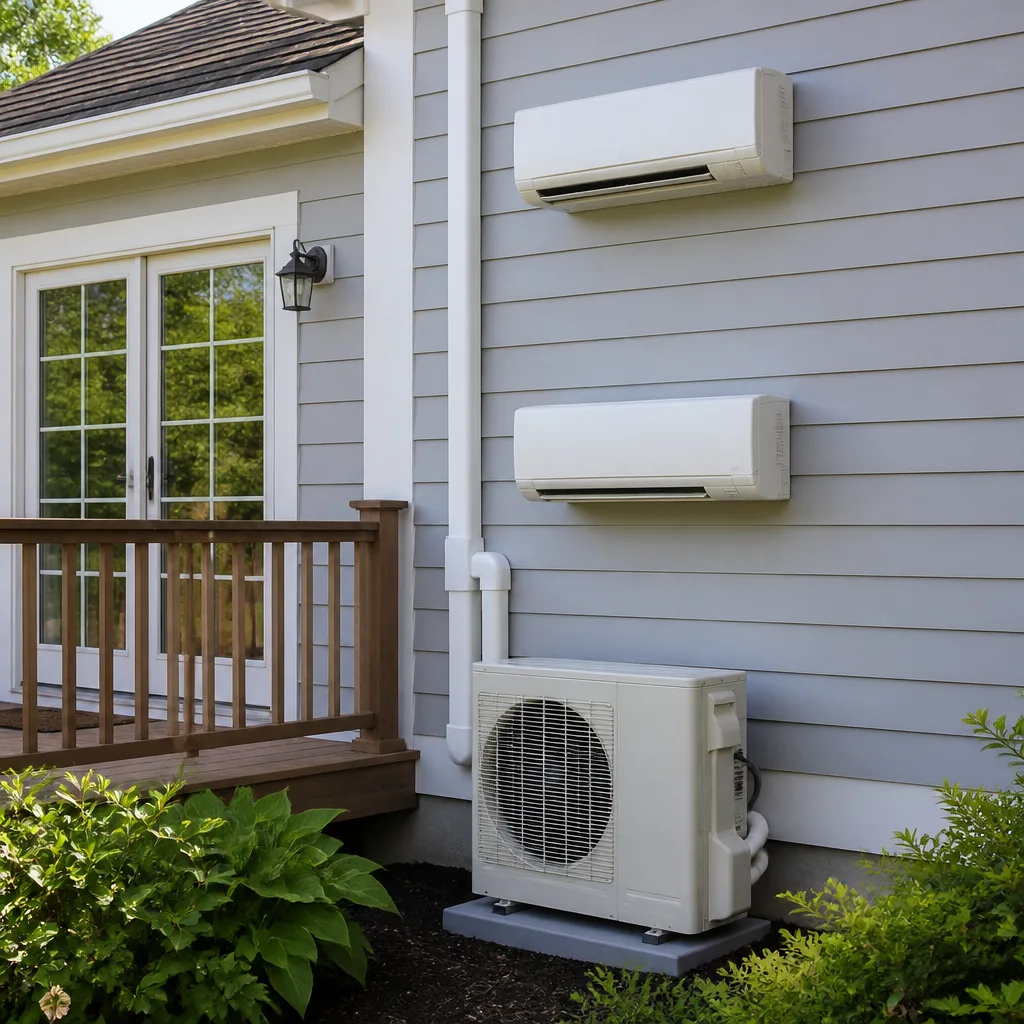 Ductless mini splits
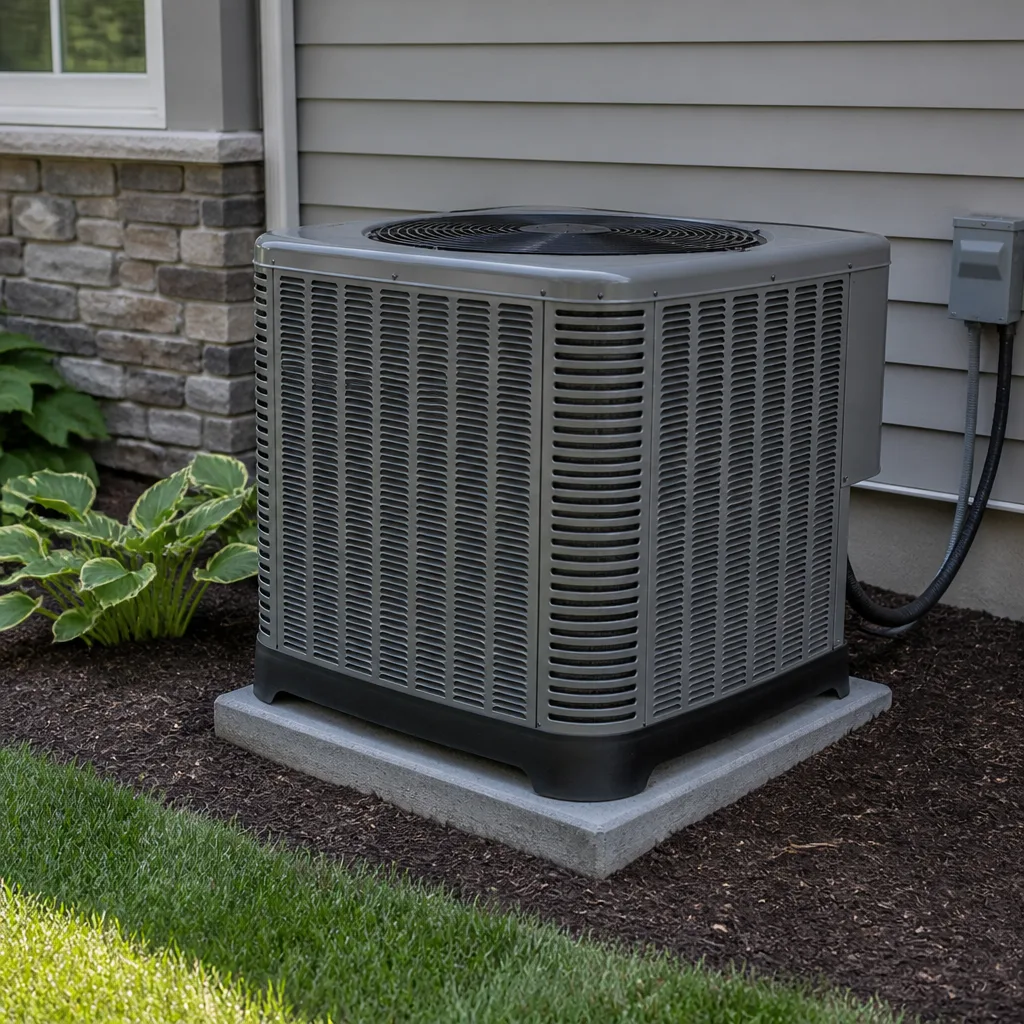 Carrier
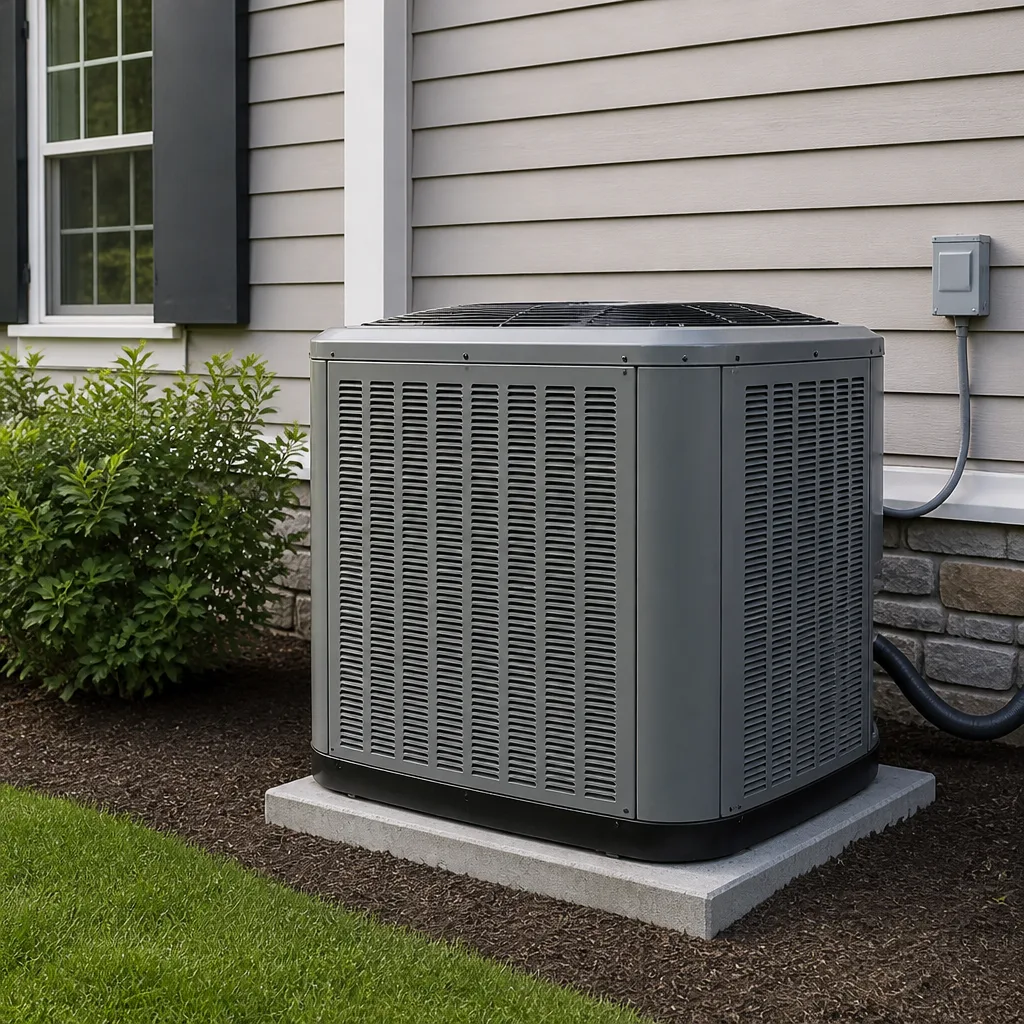 Trane
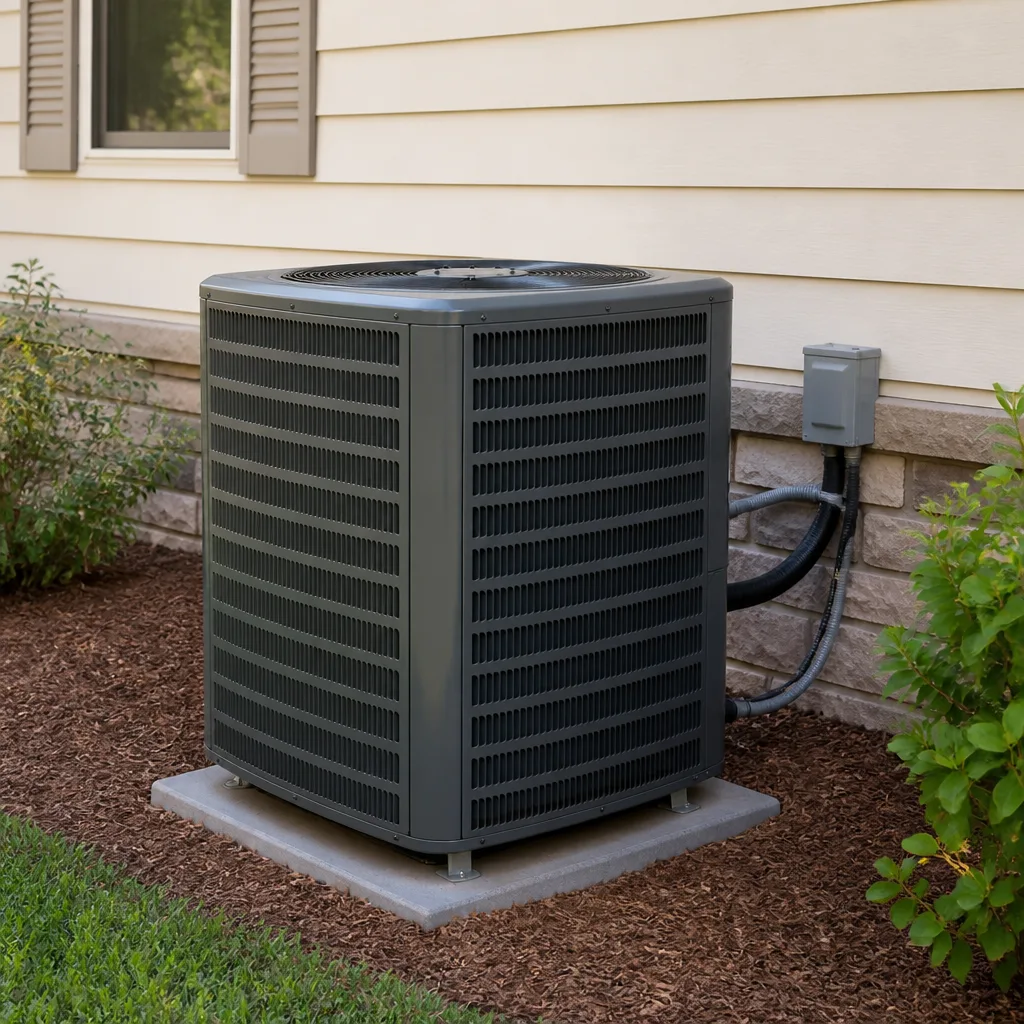 Goodman
Seasonal tune-up and full diagnostic on your Carrier, Trane, or Goodman system - readings shown to you before any repair is proposed
Diagnosis first, numbers second - you approve the repair price before a single part goes in.
Get your free estimateSeasonal HVAC Care for Paradise: Year-Round Homeowner’s Guide
The best time to service an AC in Paradise is February, not April. By April the whole valley is calling, your unit is 60 days from its hardest workload, and everyone is already booked. Most homeowners here treat the calendar like it has four equal seasons. It doesn’t. Paradise runs on two months of brutal heat, a short and violent monsoon window, and ten months that quietly determine whether July is comfortable or expensive. This guide reframes the year around when care actually matters in Paradise: what to test, when to test it, and what a failing system tells you before the heat arrives.
Quick Answer
In Paradise, HVAC care follows the desert, not the calendar printed on the filter box. Service cooling equipment in February or March, before the first 100-degree day and before pollen season clogs the coil. Prep the outdoor unit for monsoon wind and debris in late June. Inspect for refrigerant loss and bearing wear in October, when the cooling season ends. Exercise the heating side in December so it isn’t discovered broken on the first cold night. Filter changes should follow Paradise’s dust cycle, not a generic 90-day rule.
Styles & brands we work with
- AC repair
- Furnace & heating
- Heat pumps
- Ductless mini splits
- Carrier
- Trane
- Goodman
Table of Contents
- Why Paradise’s HVAC Calendar Looks Nothing Like the National Advice
- The February-March Pre-Season Window
- The Filter Schedule That Fits Paradise’s Dust Cycle
- Monsoon Prep in Late June
- The October Post-Summer Inspection
- Winter Heating Season in Paradise
- Brand Matters Less Than the Diagnosis
- Repair or Replace: Reading the Signs After a Season
Why Paradise’s HVAC Calendar Looks Nothing Like the National Advice
Every HVAC article you’ll read was probably written for a place with four mild seasons. Paradise isn’t that. Here, a cooling system spends months at a time running under a load it was sized for and rarely catches a break. The equipment doesn’t fail gradually because of neglect the way a furnace in a colder climate might; it fails under sustained strain, and it fails at the worst possible moment if the pre-season work wasn’t done.
The other local wrinkle is dust. The Paradise Valley sits in a dust bowl for a big chunk of the year. Wind-driven dust settles into condenser coils, into return registers, into the filter. That dust load is why factory filter-change intervals are a rough guess here at best. It’s also why the outdoor coil needs attention that a homeowner in a greener climate never thinks about.
The monsoon season adds a third factor. Late-summer storms in Clark County come with wind, sudden rain, and lightning. They knock branches and debris into yards and onto condenser tops. They also send power surges through home electrical systems. A unit that survived the heat can still be taken out by a surge in August if the electrical side wasn’t checked.
Then there’s the winter. Paradise winters are mild enough that the heating side gets ignored until the first genuinely cold night, and then it’s a problem the whole neighborhood is having at once. A heat pump or heat strip that ran perfectly last spring is not guaranteed to start in December. That’s the shape of the year in Paradise. Cooling is a sprint, heating is a short test, and everything in between is the window when the work gets done quietly.
That’s also why we structure our own work around the seasons rather than around a generic tune-up schedule. Our technicians have up to 9 years of experience working heating and cooling systems across Paradise, and the pattern is predictable: the calls that matter are the ones made before the extreme weather, not during it.
The February-March Pre-Season Window
February and March are the quiet months for HVAC in Paradise. The heat hasn’t really arrived, monsoon is months off, and the equipment that spent the winter mostly idle is about to go to work. This is the window to catch problems before they become summer emergencies, and it’s the window most homeowners skip entirely because the system “seems fine.”
Here’s what the pre-season visit actually covers:
- Coil cleaning before pollen season. The evaporator coil and the outdoor condenser coil both collect dust and early spring pollen. A dirty coil means the compressor works harder to do the same job, which shortens its life and drives up summer bills. Cleaning before the pollen load builds keeps the system efficient through the heat.
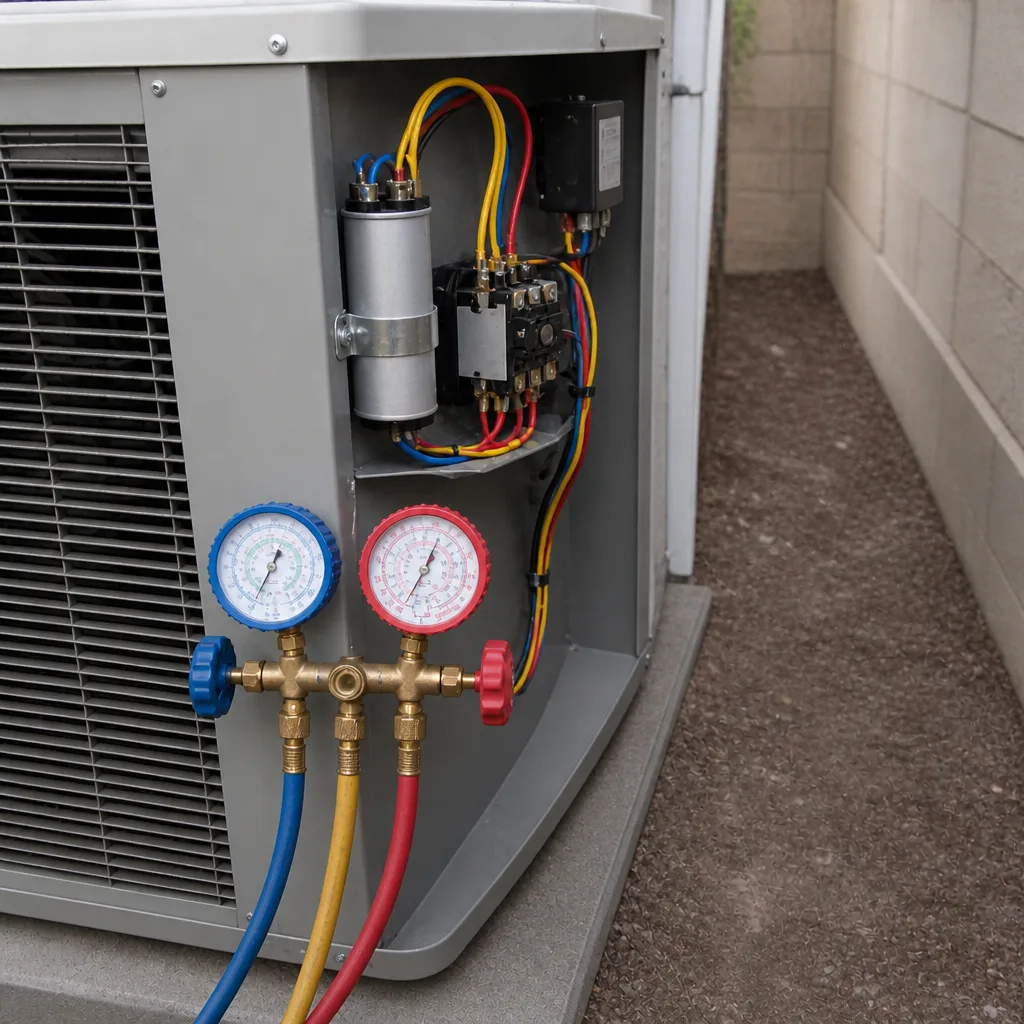
- Refrigerant charge check. A system that’s a little low on refrigerant in February will struggle badly in July. A technician weighs the charge against spec now, when the ambient temperature is cooperative, so any leak gets found before it’s catastrophic.
- Capacitor and contactor inspection. Capacitors weaken with heat and age. Replacing a marginal one during the pre-season is cheap; replacing it on a 110-degree afternoon when the system has stopped cooling is a different story.
- Drain line clearing. The condensate drain carries away a lot of moisture during a Paradise summer. A partially clogged drain line in February becomes a water leak or an automatic shutdown in June.
- Blower and duct inspection. Restricted airflow from a dirty blower wheel or a disconnected duct is the most common cause of an inefficient system, and it’s much easier to diagnose when the equipment isn’t running flat out.
- Thermostat testing. Confirm the thermostat actually calls for cooling and that the set points match what the homeowner expects. A thermostat stuck in heat mode in February is invisible now and obvious in June.
If the system is due for replacement, February is also the right time for a straight conversation about it. A load calculation and equipment selection need time. We install across the major brands, including Daikin, Bryant, and American Standard, so the recommendation is driven by your home and budget, not by a single brand we happen to push. Getting that decision made in the cool months means the new equipment is in place and settled long before it’s needed.
If you only do one thing this spring, book an AC installation assessment or a pre-season check before the calendar fills. February is the calm; April is the stampede.
The Filter Schedule That Fits Paradise’s Dust Cycle
The 90-day filter interval printed on the box is a national average, and it doesn’t fit Paradise. Here, the dust cycle runs longer and heavier, and a filter that’s still doing its job in a humid climate may be loading up in half the time. The right schedule follows what your home actually sees.
Use this as a starting point, then adjust:
- During active dust and wind (spring and early summer): check the filter monthly. Replace or clean it when it’s visibly gray, not when the calendar says so.
- During the peak cooling season: check every three to four weeks. The system runs the most air through the filter in the hottest weeks, and the filter loads fastest.
- During the calmer fall months: a two-month check is usually enough.
- Furnace or heat pump in heating mode: check the filter again when you switch to heating. The heating side uses the same filter and doesn’t get a fresh one automatically.
- After any major dust event: a windstorm or a neighbor’s landscaping project can load a filter in a single afternoon. Check it and replace if soiled.
A clogged filter is the single most common cause of a system that seems underpowered. It restricts airflow, and that pushes down efficiency on both the cooling and heating sides. A homeowner who swaps the filter on a Paradise dust schedule rather than a 90-day schedule protects the compressor, the blower motor, and the coil from the strain that comes from a system fighting for air.
The type of filter matters too. A high-MERV, dense filter catches more dust but can restrict airflow in a system that wasn’t designed for it. If your system was installed or tuned for a specific filter type, match it. A technician can confirm what your equipment handles best during a tune-up. If you’re not sure which filter your unit takes, that’s a two-minute answer on any service visit.
Monsoon Prep in Late June
Clark County monsoon season changes the failure modes in Paradise. The storms bring wind, sudden heavy rain, and lightning, and each one finds the same vulnerable parts of your HVAC system: the outdoor unit, its electrical supply, and the controls.
Late June is the time to address each. Here’s what needs attention before the first storm:
- Secure the condenser. Check that the outdoor unit sits level and the pad is intact. A unit that’s shifted or loosened can move under a gust, strain the refrigerant lines, and fail.
- Clear debris from around and on top of the unit. Dry branches, leaves, and landscaping near the condenser can become projectiles in a storm. Clear the area so nothing gets blown into the fan or coil.
- Check the electrical connection and surge protection. A lightning strike nearby can send a surge through the home’s wiring. If the HVAC’s disconnect or wiring shows corrosion or looseness, that’s worth correcting before the storm season. A surge protector on the HVAC circuit protects the compressor and control board from surges that would otherwise cause a mid-summer breakdown.
- Inspect the outdoor coil fins. Bent fins reduce heat exchange. A fin comb restores them, and a technician can check for fin damage during the pre-monsoon visit.
- Test the condensate drain. If a storm brings humidity and heavy rain, the drain works harder. Confirm it flows freely.
- Check the roof and attic for water intrusion risk. Any gap around duct boots or the flue is a possible entry point for monsoon water. If you’ve noticed a drip or a wet stain, address it now.
If the system has been running fine through June, the monsoon prep is mostly about the outdoor unit and the electrical side. That’s also when a technician can confirm your system is holding its refrigerant charge through the peak heat, which is the single best predictor of whether it will survive the rest of the summer. If you’re preparing for a possible replacement after the season, this is also the natural time to revisit your AC Repair Paradise options so you know what you’re working with heading into the fall.
The October Post-Summer Inspection
October is the most underrated month on the Paradise HVAC calendar. The heat has broken, homeowners have mentally moved on from the AC, and the equipment that ran hard through the summer gets a few weeks of quiet. Those quiet weeks are the best time to catch what the summer left behind.
The post-summer inspection focuses on the failures that build quietly under summer load:
- Refrigerant leak check. A system that ran all summer may have lost a little charge to a slow leak, especially at the fittings and coil joints. Catching it in October means it’s fixed before it becomes a midsummer cooling failure. A system that’s low now will be worse in July.
- Compressor amp draw and capacitor condition. The summer workload stresses both. Checking them now catches a component that’s on its way out rather than one that fails when demand spikes.
- Bearing wear on the blower and the condenser fan motor. A motor that’s been running long hours can develop bearing noise. Grease or replacement now is cheaper and simpler than an emergency repair in the heat.
- Coil condition after the season. Dust that got past the filter over the summer settles on the coil. Cleaning it in October keeps efficiency intact for next year’s pre-season.
- Electrical connections and disconnects. Heat and vibration can loosen connections over the summer. Tightening and testing them now catches trouble before it becomes a failure.
- Duct inspection. A full season of running can pull disconnected boots and seams apart. A duct leak is a comfort and efficiency problem, and it’s easiest to find while the system is still running regularly.
Because we work across the major brands, including Carrier and Lennox as well as the others, the October visit is also the right moment to ask the repair-or-replace question if the summer was a rough one. We’ve seen both outcomes enough times to give an honest recommendation: sometimes a system that struggled is one repair away from years of service, and sometimes the honest answer is that a replacement is the better long-term call. That assessment doesn’t require a second opinion because one visit covers both options.
Winter Heating Season in Paradise
Paradise winters are mild, and that’s exactly why the heating side gets ignored. A heat pump or heat strip can sit untouched from March to November, and then the first cold night arrives and the system behaves unpredictably. The equipment has been running cooling all summer; the heating function hasn’t been tested since last winter, and it may not have been tested then either.
What the heating season actually involves here depends on what’s installed:
- Heat pump systems. These run year-round in Paradise, cooling in summer and heating in the winter. The reversing valve and defrost function need a check before the heating season so the system can make the switch.
- Heat strips. The auxiliary electric heat is the simplest system and the most neglected. A heat strip that’s never been exercised tends to fail on the first cold morning. Testing it before the season catches a failed element or a control relay before the house is cold.
- Gas furnaces. Gas equipment has its own safety items. The heat exchanger, flue, and gas connections need the attention of a trained technician. This is not a component for a homeowner to service. If you’ve noticed a strange smell, a sooty deposit, or any carbon monoxide concern, stop using the furnace and call a professional. If the furnace needs work, furnace repair is a trained-technician job, and it’s the kind of work we handle across the major brands.
The practical step for winter is simple: run the heating function in December or early January, before it becomes essential, and confirm it responds. If it doesn’t, the fix is easy to schedule in the calm months. If it fails in the middle of a cold snap, you’re in line with everyone else in Paradise who noticed at the same moment. Our technicians have up to 9 years of experience across the heating side, so a heat strip that isn’t reaching temperature or a heat pump that’s cycling wrong is a standard diagnosis, not a mystery.
Brand Matters Less Than the Diagnosis
The most common question we hear from Paradise homeowners is about the brand on their equipment. They’ve read that one brand is more reliable, another less, and they want reassurance. The honest answer is that brand matters far less than whether the system was installed correctly, sized correctly for the home, and maintained on a schedule that fits the climate.
We work on nine of the industry’s most trusted manufacturers: Daikin, Bryant, American Standard, Carrier, Trane, Lennox, Goodman, Rheem, and York. That range matters less as a sales point than as a diagnostic one. When a technician is familiar with how a specific brand’s control board, reversing valve, or defrost cycle is designed, diagnosis is faster and the parts sourcing is correct the first time. That saves homeowners both time and money on a repair.
The benefit shows up most on the repair-or-replace question. Because we service the whole field, recommendations can be based on what your system actually needs rather than on which brand we prefer to install. A Goodman unit that’s still healthy doesn’t need replacing because it isn’t a premium brand. A Trane or Carrier unit isn’t immune to a failing compressor. The equipment’s condition and the home’s needs are what drive the recommendation.
The other practical advantage is that a homeowner in Paradise doesn’t need to keep two contractors on call: one for AC installation and one for furnace repair. One team handles cooling and heating, so the same technician who diagnosed the summer problem can address the winter side without swapping companies. The team in Paradise works that way by design, and it’s why the seasonal guide above holds together as a single plan rather than two separate maintenance lists.
Repair or Replace: Reading the Signs After a Season
After a hard summer, some systems come out fine and some come out limping. Knowing which category yours is in is the difference between an expensive spring and a manageable one. There’s no universal rule, but there are signals that push a decision one way or the other.
Signs that repair is likely the right call:
- The system is cooling well and maintaining the set point after the season.
- Any problem found was a single component (capacitor, contactor, thermostat).
- The refrigerant charge held through the summer without topping off more than once.
- The equipment is well matched to the home and hasn’t had repeated failures.
Signs that replacement deserves a serious look:
- Repairs have stacked up over multiple summers.
- A significant refrigerant leak has already been addressed more than once, or the refrigerant type is becoming costly to source.
- The compressor or heat exchanger has been flagged as failing, not just marginal.
- The system runs constantly, can’t hold the set point in peak heat, or the home is never really comfortable.
- The repair cost is a large fraction of the cost of new equipment on the same job.
Because our technicians do both repair and replacement on the same equipment, the repair-or-replace recommendation is based on what the system is actually doing, not on what’s convenient to sell. That’s also why a seasonal review, done in the calm months, is worth more than a repair made in a panic after a summer failure. It gives you choices. If a decision needs to be made about new equipment, the options across Daikin, American Standard, and the other brands are weighed against the home and the budget, not against a single product line.
Common Mistakes to Avoid
- Waiting until the first hot week to book service. April and May are when everyone in Paradise calls. The pre-season window is February and March, and that’s when the schedule is open and the diagnosis is unhurried.
- Following the 90-day filter rule. A filter interval printed for a national average doesn’t fit Paradise’s dust load. Check it monthly in spring and summer, and replace when it’s visibly soiled rather than when the box says so.
- Ignoring the heating side until it’s cold. A heat pump or heat strip that ran fine in March isn’t guaranteed in December. Test the heating function before the season so a small problem doesn’t become a cold house.
- Cleaning the indoor coil but skipping the outdoor one. The condenser coil on the outdoor unit takes on dust, pollen, and debris. A clean indoor coil with a dirty outside coil still runs inefficiently.
- Skipping monsoon prep. A condenser that sits loose on its pad or a disconnect with loose wiring is a storm-season failure waiting to happen. Late June is when to check it.
- Treating a single rough summer as a fluke. If the system struggled through one season, the October inspection is the place to figure out why, not the next July.
- Assuming the brand dictates the outcome. Installation, sizing, and maintenance matter more than the name on the equipment. A well-maintained mid-tier unit outlasts a neglected premium one.
See the difference
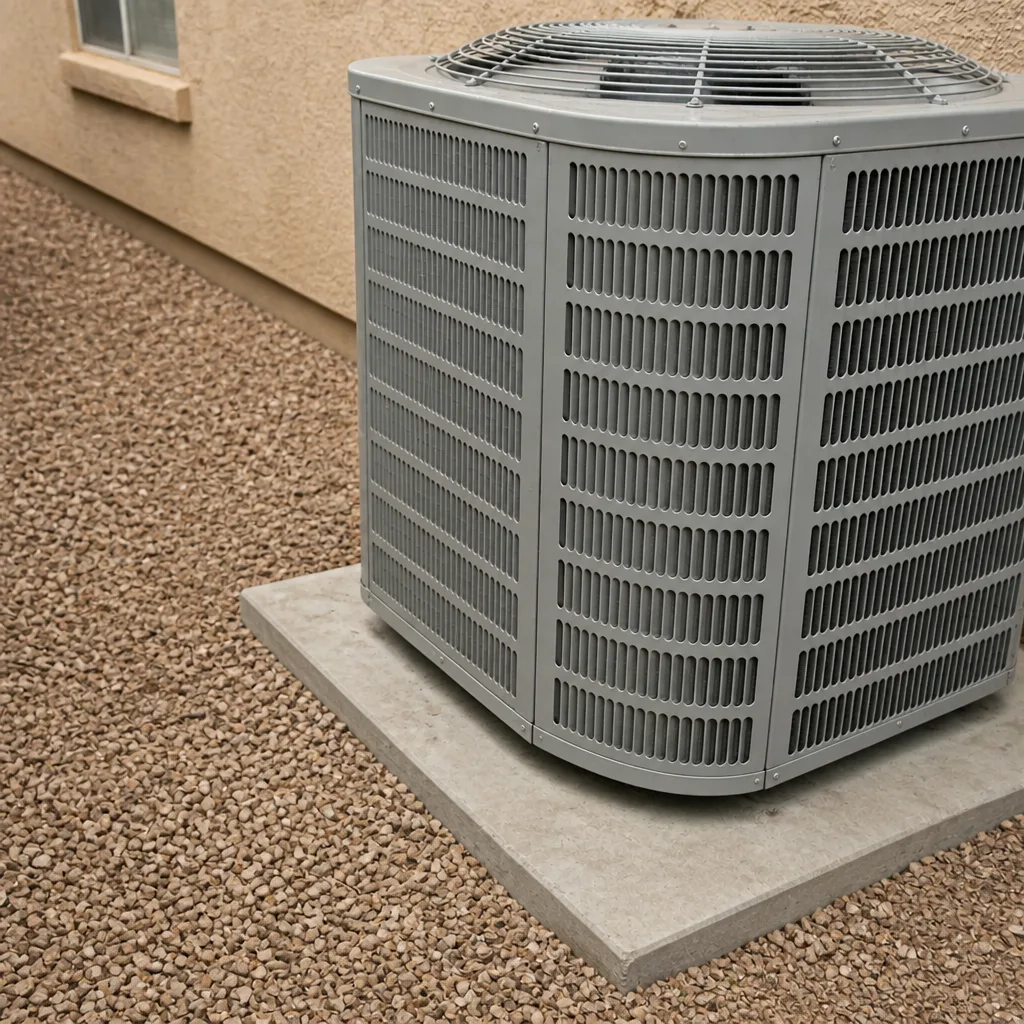
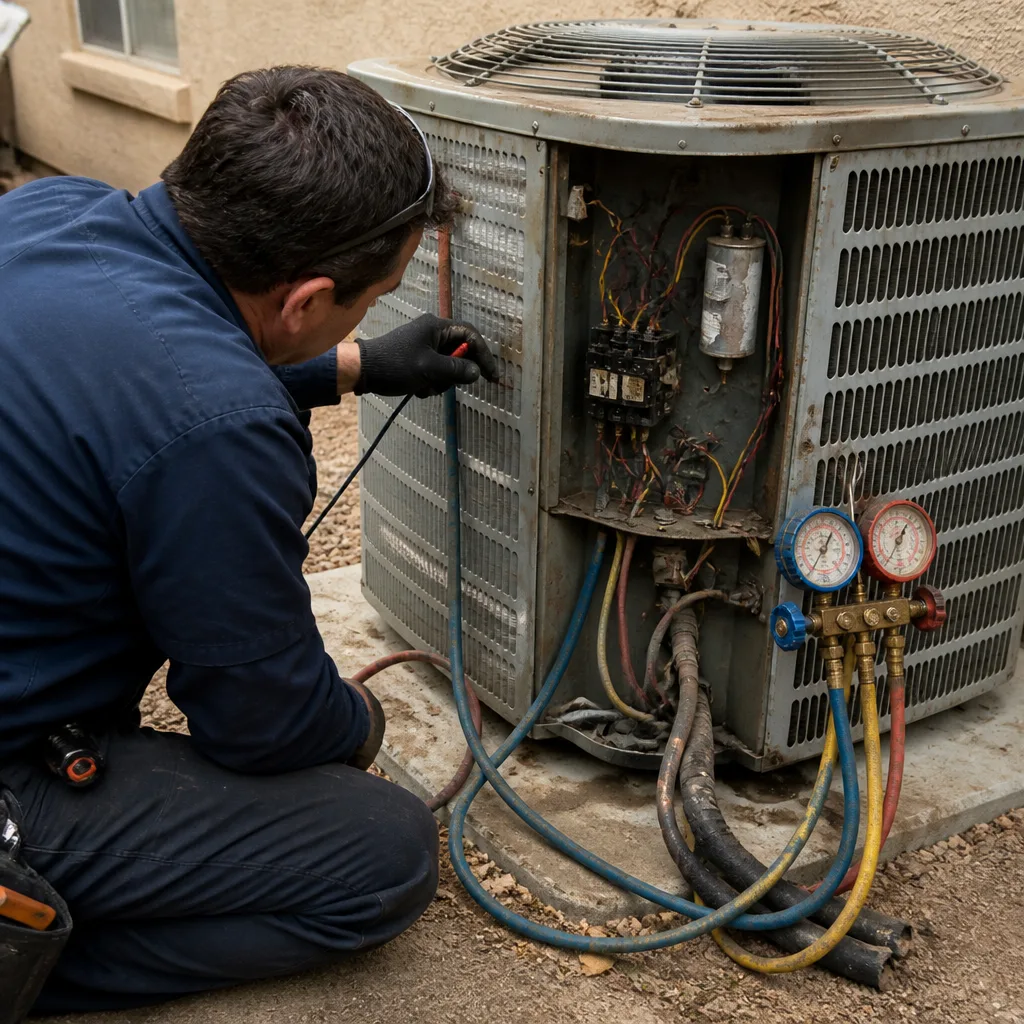 Before
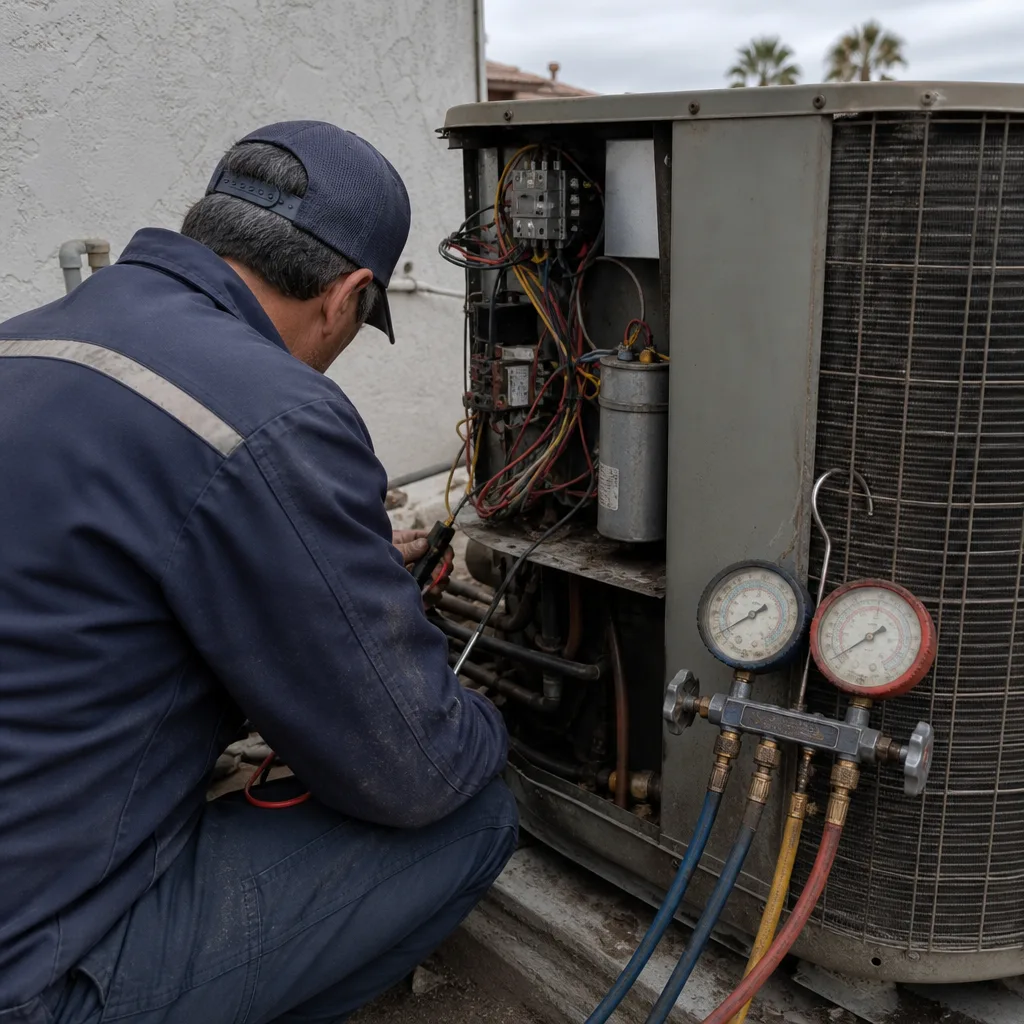
 After
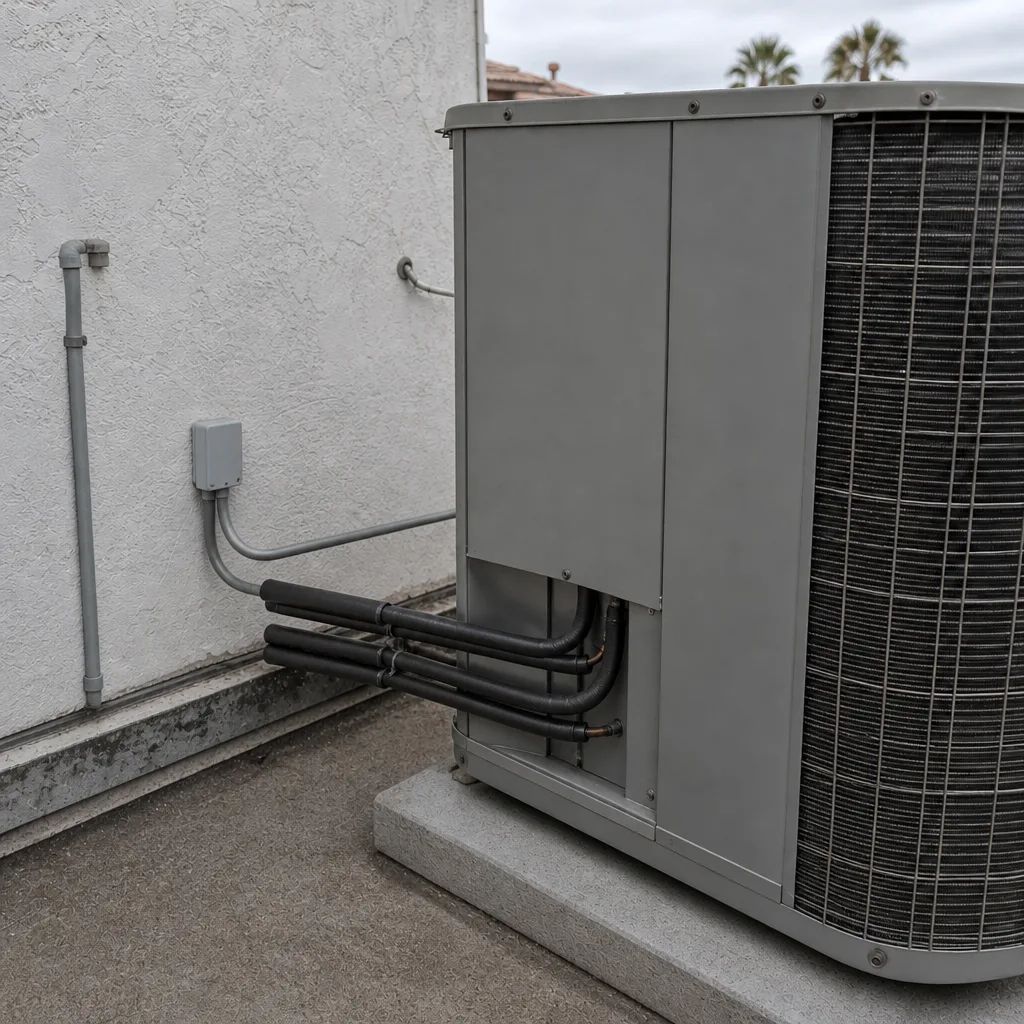
 Before
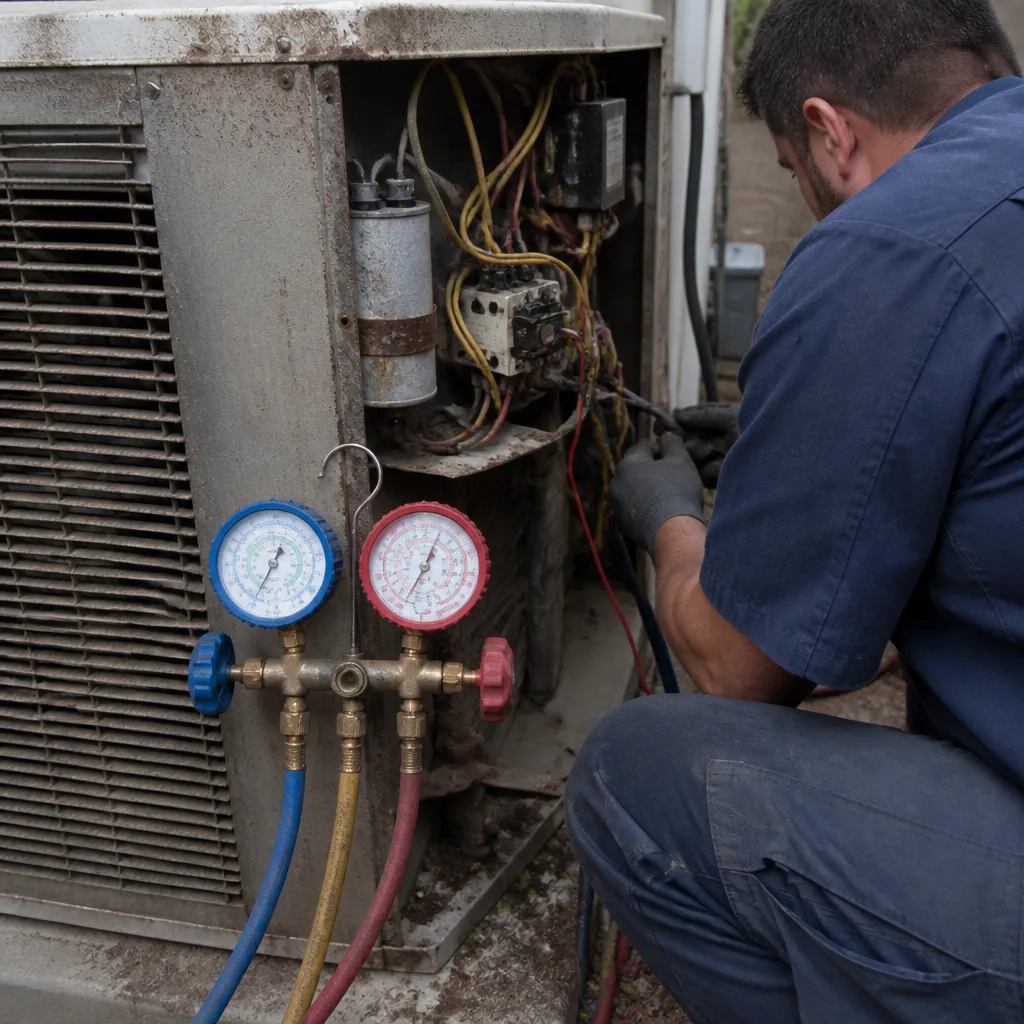
 After
 Before
 After
When to Call a Professional
Some seasonal work is homeowner territory: changing the filter on a Paradise dust schedule, clearing debris around the outdoor unit before monsoon season, testing the heating function in early winter, and confirming the thermostat is calling for the right mode. The work that needs a trained technician is the rest of it: refrigerant charge and leak checks, coil cleaning, capacitor and contactor replacement, electrical inspection, and any gas furnace work. If your system isn’t reaching temperature, is making unusual noise, or is tripping a breaker, call a professional before doing anything else. This is especially true for gas equipment, where a heat exchanger or flue issue is a genuine safety matter and not something to diagnose yourself.
AC Repair Paradise offers free estimates in Paradise, and we can walk through a seasonal assessment without pushing a repair that isn’t needed. Call (844) 820-2853. We answer 24/7. Fast dispatch from 7am to 7pm, Sunday through Friday.
Frequently Asked Questions
Late February or early March is the ideal time for AC maintenance in Paradise. That window comes before the first sustained heat and before pollen season loads the coil, and it’s when the schedule is open rather than booked out. Scheduling in April or May means competing with the whole valley for spring service.
Check your filter monthly during the dusty spring and peak summer months in Paradise, and change it when it’s visibly soiled, which may be every three to four weeks in the hottest weeks. In the calmer fall, a two-month check is usually enough. The 90-day rule on the box is a national average and doesn’t fit this climate.
Yes. Paradise winters are mild enough that the heating side gets ignored, and that’s exactly the problem. A heat pump or heat strip that sat unused all summer should be tested before the first cold night, and a gas furnace definitely needs a professional check of the heat exchanger and flue. If you find an issue, call us at (844) 820-2853 for a free estimate.
Before monsoon season in late June, check that the outdoor condenser sits level and clear of debris, inspect the electrical disconnect and consider surge protection, and clear branches and landscaping away from the unit. A technician can inspect the condenser coil and electrical connections in the same visit. Call (844) 820-2853 if you’d like that check scheduled.
If the system held its set point through the summer and only needed a single component replaced, repair is usually the right answer. Repeated failures across multiple summers, a recurring refrigerant leak, or a compressor flagged as failing push toward replacement. Because we handle both sides, an honest assessment is available on one visit. Call (844) 820-2853 to book a free estimate.
Not necessarily. Brand matters less than proper installation, correct sizing for the home, and a maintenance schedule that fits Paradise. We work with nine major brands, including Daikin, Bryant, Carrier, and American Standard, so the recommendation follows the home and the budget. Call (844) 820-2853 if you’d like to talk through the options before you decide.
Have a seasonal question that isn’t here? Call (844) 820-2853 and we’ll tell you straight.
The Bottom Line
Paradise doesn’t give you four equal seasons to prepare in. It gives you a short, quiet February-March window to get the cooling side ready, a monsoon window in late June, an October window to catch what the summer left behind, and a brief winter stretch to make sure the heating side works before you need it. The filter schedule follows the dust, not the box. The brand on your equipment matters less than how it was installed and how it’s maintained. Most important, the work that prevents summer emergencies happens when it’s not hot out. If you want the seasonal plan mapped to your own system, we’re here for that.
Call (844) 820-2853 for a free estimate. We answer 24/7. Fast dispatch from 7am to 7pm, Sunday through Friday.
Written by the team at AC Repair Paradise.